- Roof replacements require careful planning, including contractor research, timing, budgeting, and material selection.
- The most common roof replacement mistakes include rushing the process, skipping inspections, choosing based on price alone, and ignoring ventilation or permits.
- Knowing what to avoid helps you prevent delays, reduce unexpected costs, and make sure your new roof performs well for years to come.
What Can Go Wrong if You Don’t Plan Your Roof Replacement Right
Even though it might seem like a straightforward job, replacing a roof without the right planning can lead to major headaches, both immediate and long-term.
Here’s what can go wrong if you don’t take the time to prepare properly:
- Budget overruns: Unexpected issues like rotted decking, outdated materials, or permit delays can quickly push costs beyond your estimate if you didn’t factor in a buffer or ask the right questions upfront.
- Delays due to weather or scheduling: If you book your roof replacement during peak season or just before a stormy week, you may face long delays, leaving your home exposed.
- Poor workmanship or miscommunication: Hiring a contractor without reviewing their credentials or portfolio can lead to rushed jobs, low-quality materials, or mismatched expectations. These problems can result in leaks, warranty issues, or extra repairs.
- Code violations or missed permits: Skipping necessary paperwork might save time now, but it can lead to fines, failed inspections, or insurance issues down the line.
- Ventilation problems: Failing to plan for proper attic ventilation can shorten the lifespan of your new roof and create moisture or energy efficiency problems that weren’t there before.
5 Common Roof Replacement Mistakes You Should Avoid
Replacing your roof is one of the biggest investments you’ll make as a homeowner. Although it’s not something you want to do twice, many homeowners rush the process or overlook critical steps, which can lead to poor results, unnecessary repairs, or even a shortened roof lifespan.
Here are five of the most common roof replacement mistakes to watch out for and how to avoid them.
1. Choosing the Cheapest Estimate Without Checking Credentials
It’s tempting to go with the lowest bid, especially when roofing quotes vary by thousands of dollars. But a low price can be a red flag.
Inexperienced contractors may cut corners on materials, skip important steps, or leave out warranty coverage. They might not be licensed or insured, which puts you at financial risk if anything goes wrong.
Before saying yes to any estimate:
- Verify the contractor’s license and insurance
- Check reviews and ask for local references
- Understand exactly what the estimate includes (and what it doesn’t)
A cheap roof now can lead to expensive problems later. Prioritize quality, experience, and transparency over the lowest number.
2. Not Getting a Proper Roof Inspection First
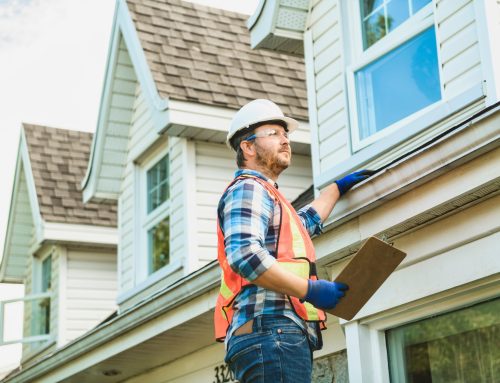
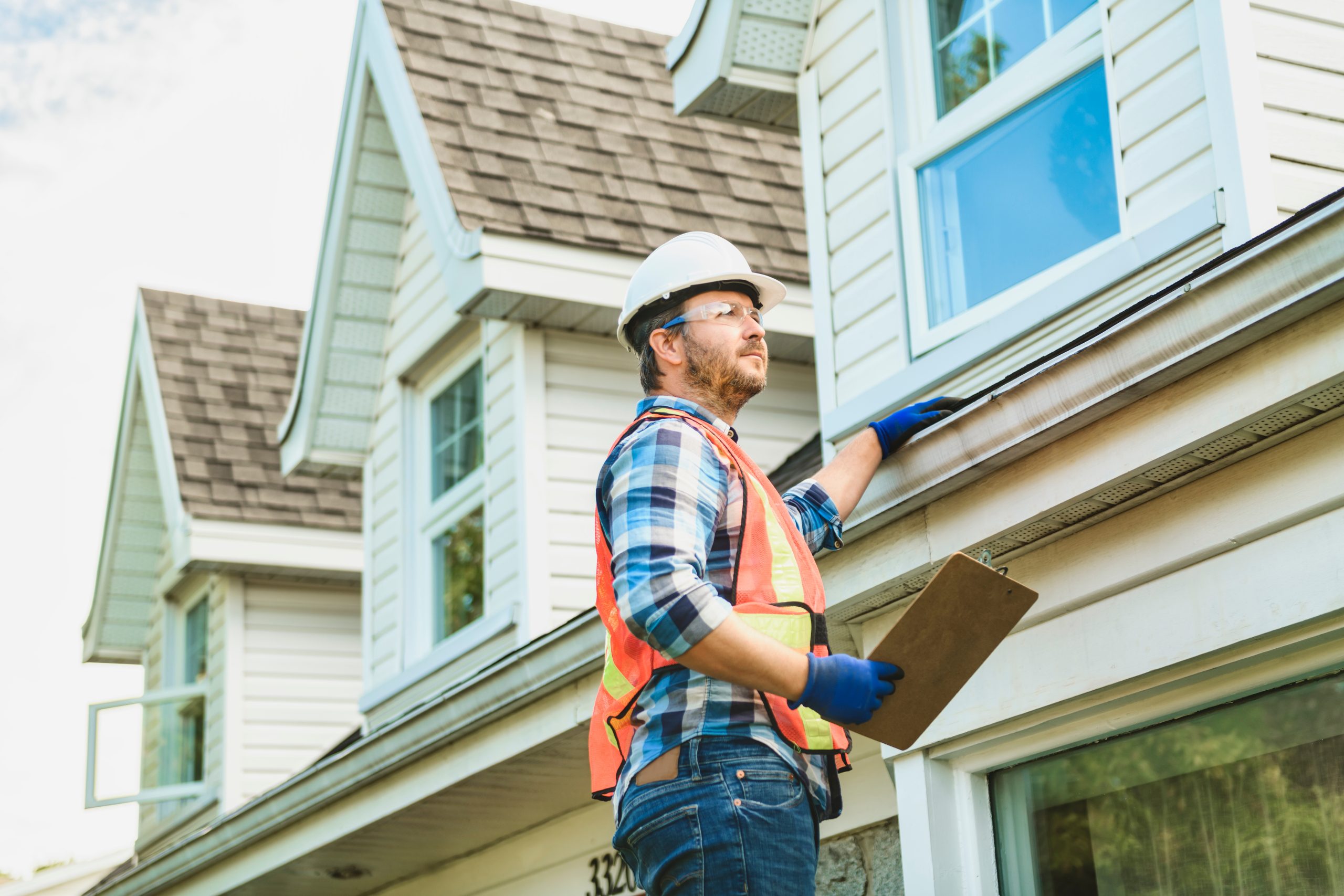
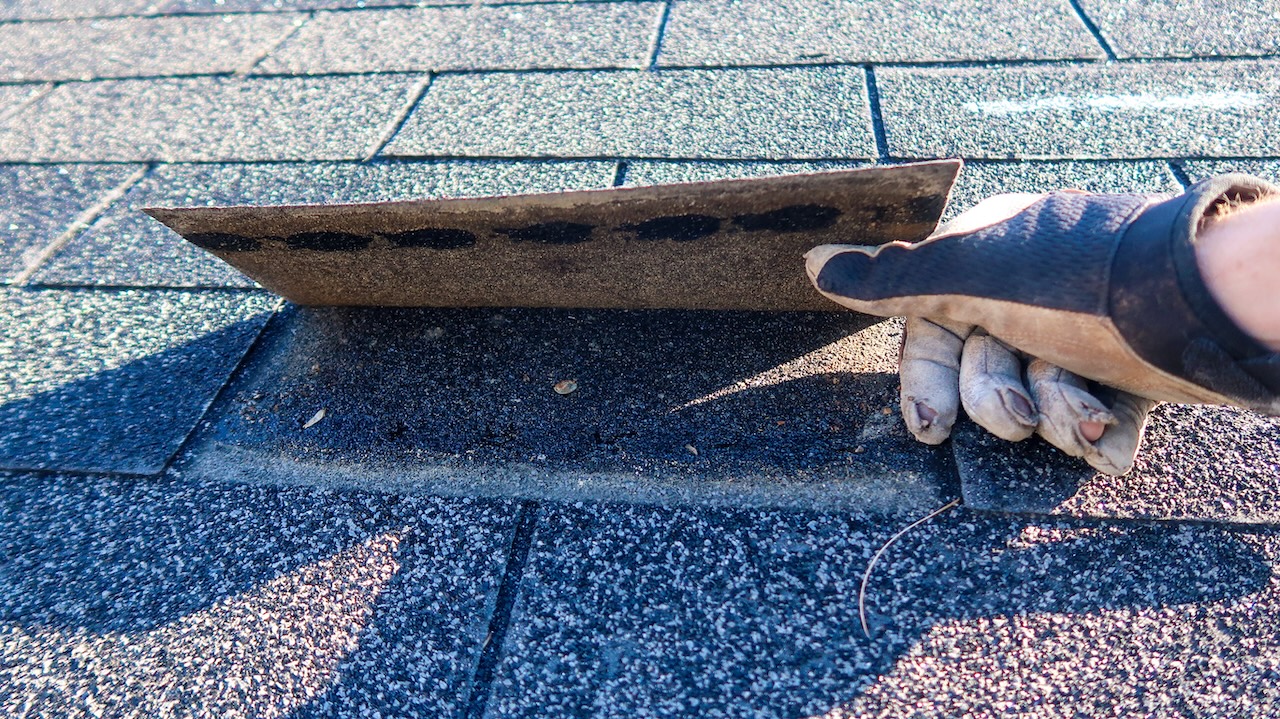
If your roofer gives you a quote without inspecting your roof in person or only takes a quick look from the ground, that’s a red flag.
A full roof inspection should include:
- Checking for structural issues or rotted decking
- Assessing flashing, ventilation, and attic conditions
- Reviewing previous repairs or damage from weather
Skipping this step can lead to unexpected costs once the work begins. Worse, your new roof might be installed over existing problems that cause leaks or deterioration down the line.
A thorough inspection sets the foundation for a roof that solves your home’s needs, not just covers them up.
3. Overlooking Ventilation and Insulation Needs
In addition to keeping the rain out, a new roof also affects how your home breathes and regulates temperature.
If your attic lacks proper ventilation, heat and moisture can get trapped, which leads to:
- Higher energy bills
- Mold and mildew growth
- Premature deterioration of roofing materials
Insulation matters too. Without the right thermal barrier, your HVAC system will work overtime trying to keep your home comfortable, especially in extreme weather.
Before replacing your roof, ask your contractor to evaluate your attic insulation and ventilation. Upgrading these areas during a roof replacement is easier and more cost-effective than doing it later.
4. Ignoring Permits and HOA Rules
Skipping permits or forgetting to check with your HOA can lead to costly delays, or worse, fines and forced do-overs.
Most cities in California require permits for roof replacements to ensure the work meets building codes and safety standards. Your HOA may also have rules about shingle type, color, or materials.
Before work starts:
- Confirm your roofer is pulling the correct permits
- Check for any HOA guidelines or restrictions
- Get written approval when needed
5. Waiting Too Long to Replace the Roof
One of the most costly roof replacement mistakes is waiting too long to start the process. Homeowners often delay replacement because the roof looks fine from the ground or because there haven’t been any major leaks (yet). But by the time visible signs of damage show up inside your home, the problem has already progressed.
Delaying roof replacement can lead to:
- Structural damage from prolonged water intrusion
- Mold and mildew growth inside walls or insulation
- Rotting roof decking and framing
- Higher energy bills from poor insulation and ventilation
- Emergency repairs that cost more than planned replacements
Plus, in the Bay Area, waiting until the rainy season hits can make it harder to schedule a contractor or complete the job safely.
Planning ahead gives you time to compare bids, choose the right materials, and avoid costly rush jobs. If your roof is nearing 20 years old, showing signs of wear, or has been patched multiple times, it’s best to act before the next storm does the damage for you.
Bonus Tips to Get the Most from Your Roof Replacement
Replacing your roof is a chance to improve your home’s comfort, efficiency, and long-term value. These bonus tips can help you get the most out of the project and avoid roof replacement mistakes that turn into big regrets:
- Upgrade to energy-efficient materials to reduce heat absorption and lower energy bills in the Bay Area’s sunny climate.
- Add a radiant barrier or attic insulation while the roof is exposed to boost year-round comfort.
- Install new flashing and underlayment instead of reusing old materials to maximize waterproofing and longevity.
- Ask about roof ventilation upgrades (like ridge vents or attic fans) to prevent moisture buildup and extend your roof’s life.
- Request a detailed workmanship warranty and keep records for future resale value or insurance claims.
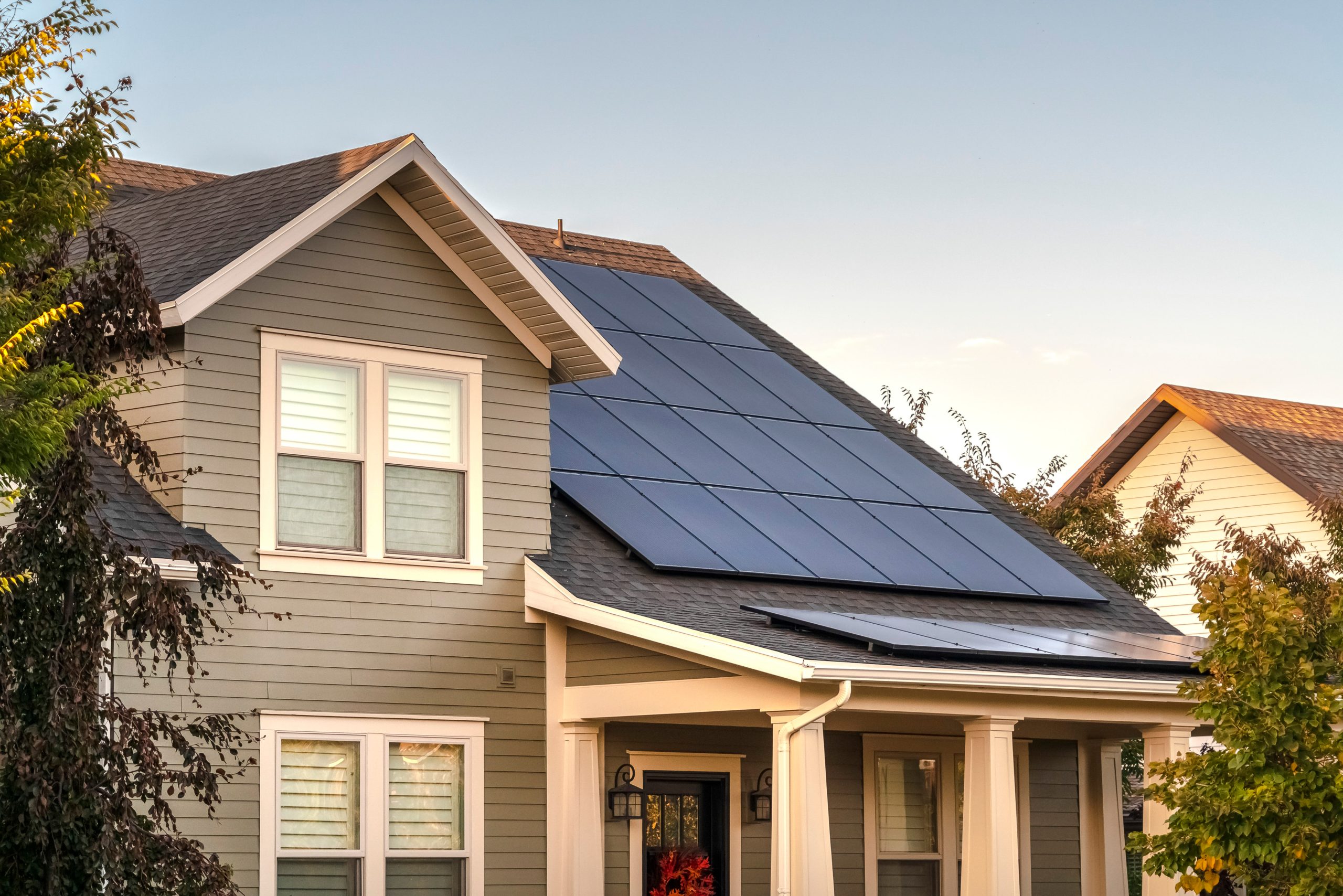
- Consider solar panel compatibility if you plan to go solar in the future, as some roofing materials work better than others.
- Communicate with neighbors or HOA early to avoid delays or complaints once construction begins.
Save Money, Avoid Stress, and Get the Roof You Need
Planning your project well means you can avoid the most common roof replacement mistakes, like hiring the wrong contractor, skipping the inspection, or missing crucial upgrades like ventilation.
A new roof should be a long-term solution, not a rushed repair. Whether you’re just starting to plan or already collecting estimates, the right guidance makes all the difference.
Book a professional re-roofing estimate with our team to make sure your new roof is built to last, meets local standards, and gives you peace of mind for years to come.