Is your roof summer-ready? Here are 5 roof problems you don’t want to ignore
It’s a sweltering summer day, you’re relaxing indoors, and suddenly—drip, drip, drip. A roof leak. Or maybe it’s not that dramatic, but your energy bills are through the roof (pun intended).
Summer can be brutal on your home’s first line of defense, and ignoring those subtle signs of trouble could lead to major headaches down the road.
Don’t sweat it, though. We’re here to break down the most common summer roof problems and arm you with the knowledge to tackle them head-on.
5 roof problems that heat up in the summer
While we soak up the sun, our roofs bear the brunt of summer’s wrath. Let’s uncover the common culprits that can wreak havoc on your roof during those scorching months.
1. Sun damage and premature aging
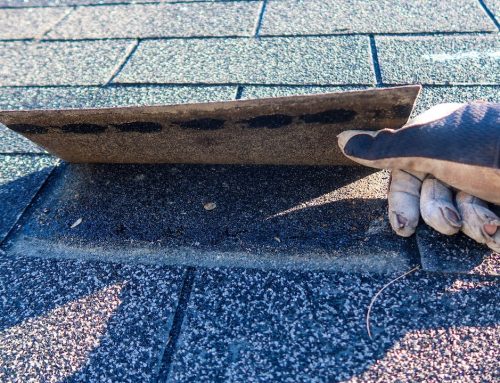
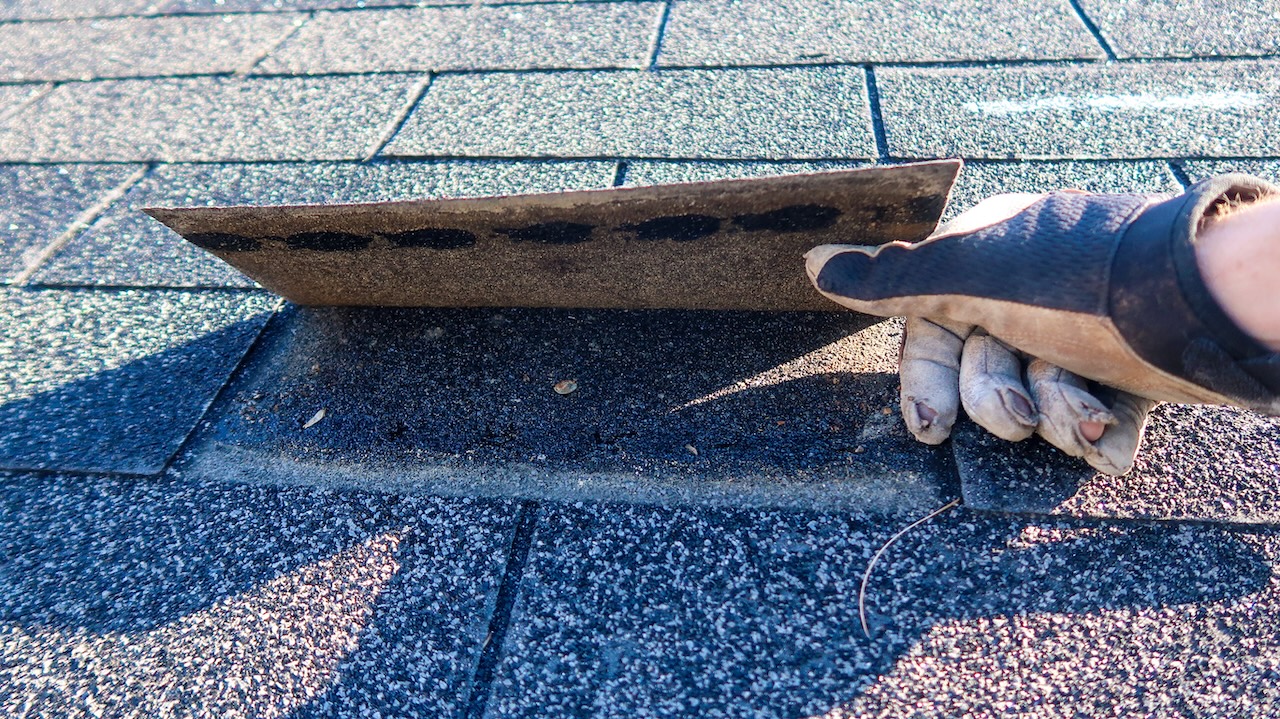
Your roof is just like your skin—too much sun exposure leads to wrinkles and damage. The same goes for your shingles. The relentless summer sun can bake your roof, causing shingles to become brittle, curl, or even crack. This damage not only affects your home’s appearance but also leaves it vulnerable to leaks and other issues.
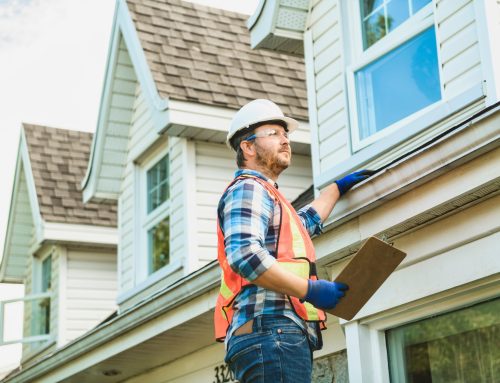
How to fix it: Regular roof inspections are key to catching sun damage early. Look for cracked, curled, or missing shingles. If the damage is extensive, a roof replacement might be necessary. However, if it’s caught early, replacing individual shingles or applying a protective sealant can often do the trick. Prevention is key. Choosing high-quality, UV-resistant shingles can help your roof withstand the summer heat for years to come.
2. Thermal shock
Think of your roof as a giant chocolate bar on a hot summer day. It melts and expands in the heat, then contracts as temperatures cool. This constant expanding and contracting can put immense stress on your roof, leading to cracks, leaks, and other structural damage. Older roofs and those with poor ventilation are particularly vulnerable to thermal shock.
How to fix it: If you notice cracks or leaks after a heatwave, it’s important to address them promptly to prevent further damage. Sealing the cracks and improving attic ventilation can help mitigate the effects of thermal shock. In severe cases, a partial or full roof replacement may be necessary. Choosing roofing materials designed to withstand extreme temperature fluctuations can help protect your roof from future thermal shock.
3. Attic moisture buildup
Your attic becomes a moisture magnet in the summer months. As heat and humidity rise, it transforms into a sauna, creating the perfect conditions for mold growth, wood rot, and insulation damage. This moisture buildup can weaken your roof’s structure, leading to leaks and expensive repairs down the line.
How to fix it: Ensure proper ventilation by installing adequate intake and exhaust vents. This will promote air circulation and help keep humidity levels in check. If you spot signs of moisture or mold, take action immediately. Adding a vapor barrier can also prevent moisture from sneaking into your attic from below.
4. Clogged gutters and downspouts
Summer storms can unleash a torrent of leaves, twigs, and debris onto your roof. When these clog up your gutters and downspouts, water can’t drain properly. This can lead to overflowing gutters, water damage to your fascia and soffit, and even leaks inside your home. Clogged gutters also create a breeding ground for pests and mosquitoes.
How to fix it: Regular gutter cleaning is essential, especially after heavy rainfall or storms. Clear out any debris by hand or with a hose. Consider installing gutter guards to prevent future clogs. If you notice water damage, address it immediately to prevent further issues. Regular maintenance will make sure your gutters function properly and protect your home from water damage.
5. Pest infestations
Summer is a time for BBQs, beach trips, and… unwanted houseguests? That’s right, pests like birds, rodents, and insects are more active in warmer weather, seeking shelter and food in the nooks and crannies of your roof. These critters can cause serious damage by chewing through shingles, nesting in your attic, and even contaminating your insulation.
How to fix it: Prevention is key when it comes to pest infestations. Seal up any cracks or gaps in your roof and eaves, trim back overhanging branches, and keep your gutters clean. If you already have unwanted visitors, it’s best to call in a professional pest control service to safely and effectively remove them. Don’t let pests turn your home into their summer vacation destination.
The easiest option? Let the experts take care of your roof
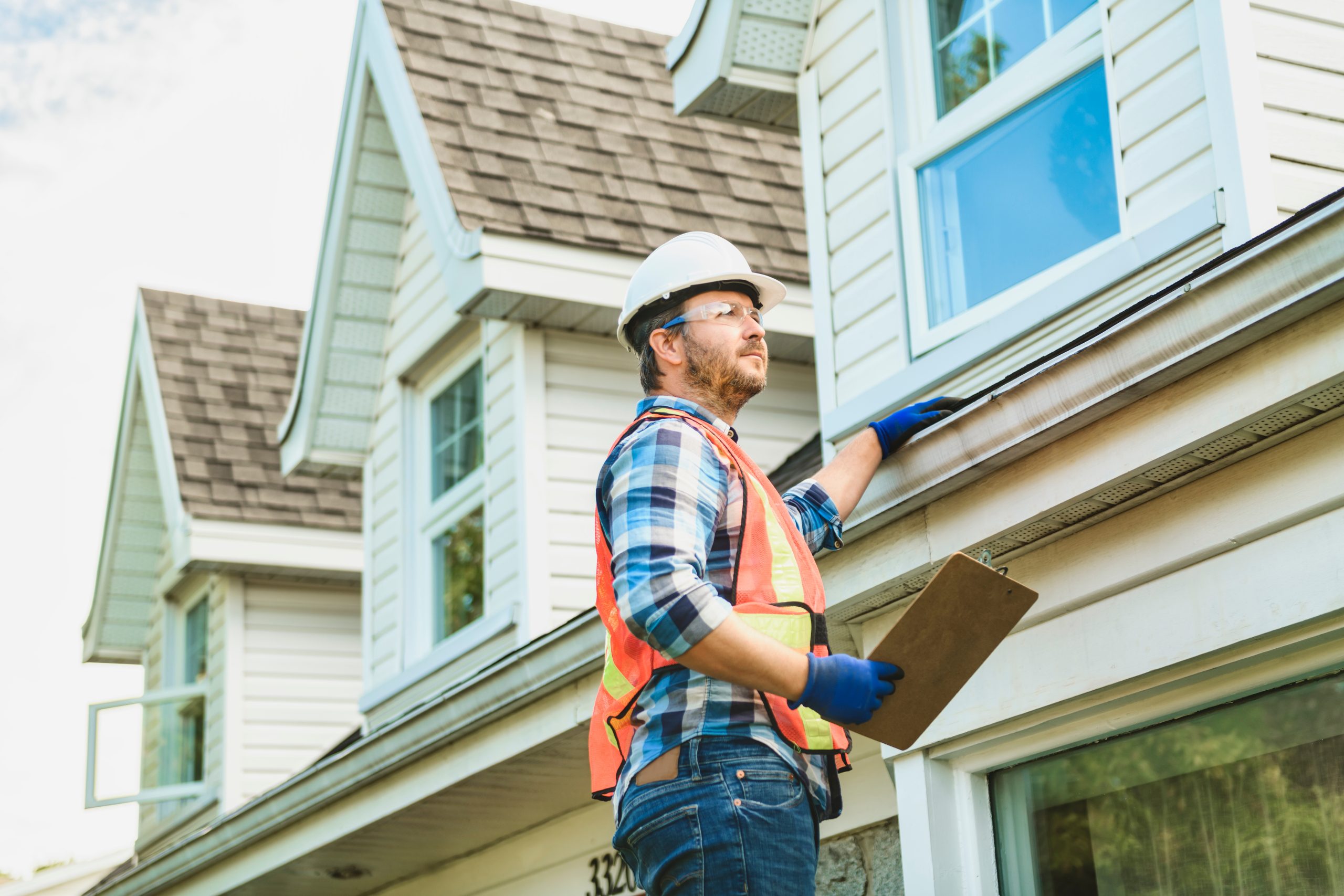
Your roof takes a beating in the summer, but don’t let these common problems ruin your fun. Stay ahead of leaks, damage, and unwanted guests by keeping a watchful eye and addressing issues promptly. If DIY isn’t your style, leave it to the pros at Moran Roofing. We’ll inspect, repair, and keep your roof in tip-top shape all summer long, so you can relax and enjoy the sunshine worry-free.