Climate Resilient Roofing That Lasts Through Heat, Storms, and Wildfires
- Climate resilient roofing is built to handle Bay Area extremes, from pounding winter rain to wildfire-season embers.
- Innovative materials and smarter designs improve waterproofing, drainage, fire safety, and energy efficiency all in one system.
- Choosing resilience today means fewer repairs, lower lifetime costs, and stronger resale value for your home.
The Growing Impact of Climate Change on Bay Area Roofs
Bay Area weather has always been unpredictable, but climate change is pushing roofs harder than ever before. Homeowners are now dealing with conditions that shorten roof lifespans and increase the risk of costly damage:
- In San Francisco, the portion of annual rainfall that falls during the biggest downpours is projected to rise from about 58% to 61% by 2050, increasing stress on roof drainage and waterproofing.
- Heavier winter storms bring intense downpours and high winds that overwhelm older drainage systems and lift shingles.
- Rising summer heat accelerates shingle cracking, warping, and granule loss, especially on darker or poorly ventilated roofs.
- Wildfire risk means roofs need stronger fire resistance, since airborne embers are one of the leading causes of home ignition.
- Air quality and smoke exposure degrade materials faster, breaking down adhesives and protective coatings.
For Bay Area homeowners, this shift means that a roof installed 20 years ago under “normal” conditions may not be ready for the weather patterns we’re seeing today. That’s where climate resilient roofing becomes less of an upgrade and more of a necessity.
Key Features of Climate Resilient Roofing
Climate resilient roofing isn’t about a single material or upgrade. It’s a system of features designed to handle the Bay Area’s evolving mix of storms, heat, and wildfire risks.
Wind and Storm Resistance
Impact-rated shingles, reinforced fastening systems, and improved roof deck attachments help roofs hold up against the high winds and driving rain that increasingly accompany winter storms.
Fire-Resistant Materials
In wildfire-prone areas, roofing materials need to do more than shed water. They must also withstand airborne embers. Class A fire-rated options like metal, clay tile, or fiberglass asphalt shingles create a critical line of defense.
Heat and Sun Protection
Reflective cool roof surfaces, proper attic ventilation, and thermal underlayments help reduce heat buildup. This not only protects shingles from premature cracking but also lowers indoor cooling demand during summer heatwaves.
Advanced Waterproofing
Modern underlayments, self-adhering membranes, and elastomeric coatings provide extra layers of protection against wind-driven rain and ponding water. These materials keep moisture out and extend the roof’s lifespan.
Smarter Drainage Systems
High-capacity gutters, scuppers, and leaf guards keep water moving off the roof quickly during heavy downpours. Preventing backups and pooling is key to avoiding leaks and structural deterioration.
Sustainability and Resilience Go Hand in Hand
When it comes to roofing, resilience and sustainability aren’t separate goals, they reinforce each other. A durable roof that stands up to climate extremes automatically reduces waste by lasting longer and requiring fewer replacements. Likewise, eco-friendly materials often come with benefits that improve performance under tough conditions.
For example, metal roofing is both recyclable and highly resistant to wind, fire, and heavy rain. Clay and concrete tiles are natural, long-lasting, and excellent at regulating temperature in shifting climates.
Even solar-integrated roofing contributes to resilience by generating renewable power during heatwaves and outages, while reducing reliance on strained energy grids.
By choosing options that tick both boxes, Bay Area homeowners don’t have to decide between protecting their homes and protecting the planet. The smartest roofs are built to do both.
Innovations in Roof Design for Extreme Weather
Modern roof design is evolving to keep pace with heavier storms, hotter summers, and wildfire risk. These innovations add resilience by addressing vulnerabilities that traditional designs often overlook.
Aerodynamic Roof Shapes
Steeper slopes and hip-style roofs reduce wind uplift, helping structures hold firm during storms. By directing wind forces more evenly, these designs cut the risk of shingle loss and structural strain.
Integrated Drainage Channels
Instead of relying solely on gutters, newer roof systems incorporate built-in drainage channels and tapered insulation. These features move water away faster, preventing ponding and leaks on flat or low-slope roofs.
Fire-Resistant Assemblies
Beyond materials alone, design plays a role in wildfire defense. Enclosed eaves, ember-resistant vents, and non-combustible roof decks reduce the chance of airborne embers igniting vulnerable areas.
Ventilation and Cooling Systems
Climate-resilient designs use ridge vents, reflective underlayments, and strategic shading to keep roof surfaces cooler. This extends material lifespan while reducing cooling costs during heatwaves.
Modular and Solar-Ready Roofs
New modular roof systems are designed with solar integration in mind. By building solar shingles or panels into the initial design, homeowners gain both renewable energy resilience and weather-ready performance.
How Climate Resilient Roofing Protects Home Value
Investing in climate resilient roofing might help support your long-term financial security. A roof designed to handle extreme weather reduces the risk of costly emergency repairs and insurance claims, both of which can drag down a property’s value.
Resilient roofs also tend to last longer, which means fewer replacements over a lifetime of ownership. Materials like metal or tile can protect a home for 40–70 years, far outpacing traditional asphalt shingles. This durability reassures potential buyers that the home won’t need a new roof anytime soon.
Energy-efficient and sustainable features add another layer of appeal. Cool roofs, solar integration, and reflective coatings not only cut monthly utility bills but also meet California’s strict building codes. That is an increasingly important selling point in competitive Bay Area real estate.
In short, a climate resilient roof signals that a home is well-maintained, future-ready, and cost-efficient to own. That makes it more attractive to eco-conscious buyers and positions the property for stronger resale value.
Steps Homeowners Can Take Now
You don’t need to wait for the next big storm to start preparing your roof for climate change. Small proactive steps today can prevent major expenses tomorrow:
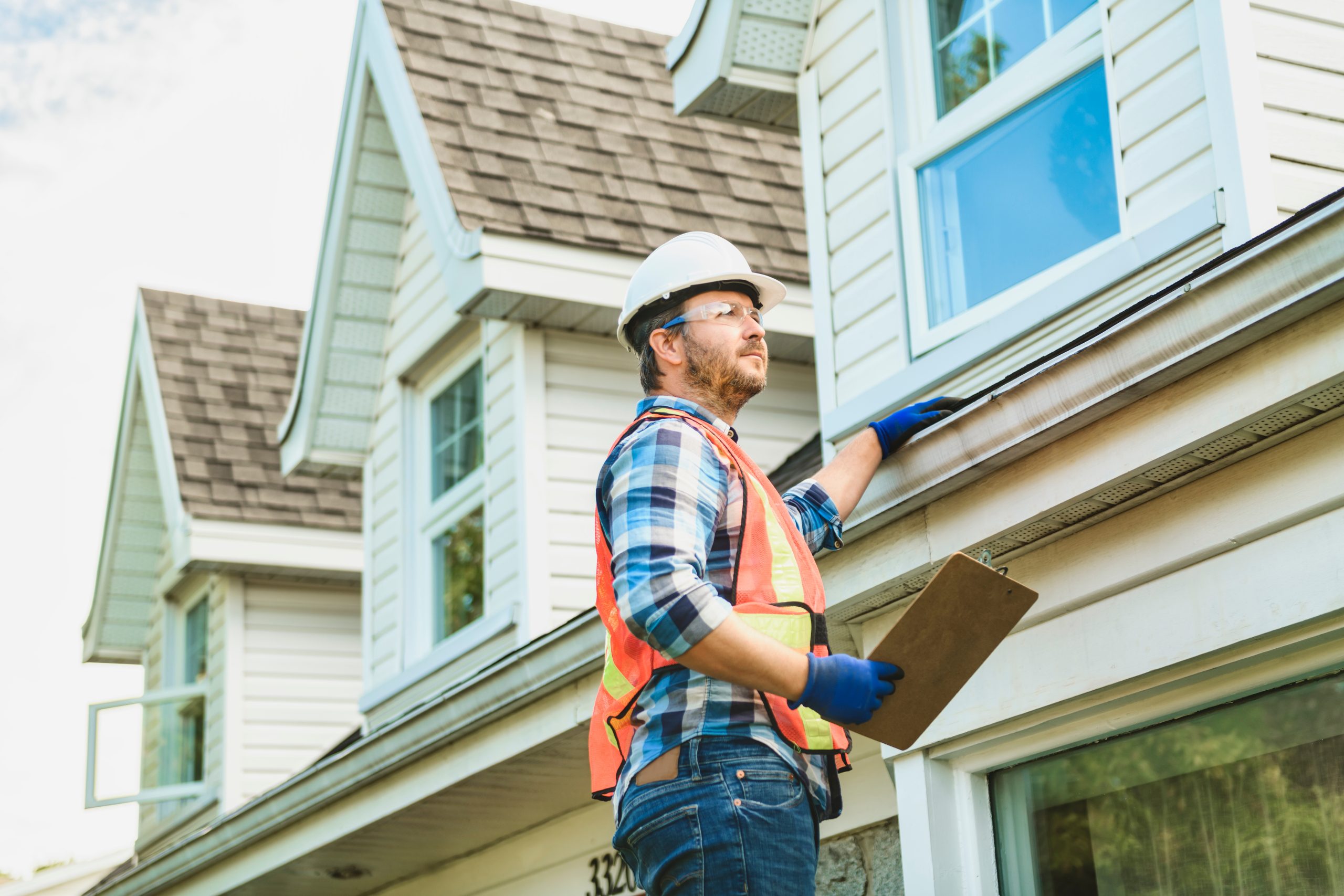
- Schedule a professional roof inspection. An expert can identify weak points like cracked shingles, loose flashing, or clogged drainage before they become major leaks during storms.
- Upgrade to modern underlayments and coatings. Peel-and-stick underlayments, elastomeric coatings, and liquid membranes add hidden layers of protection that extend the life of your roof.
- Invest in better drainage. High-capacity gutters, internal drains, and gutter guards keep water moving, especially during the Bay Area’s heavy winter rains.
- Choose resilient, sustainable materials at replacement time. If your roof is nearing the end of its lifespan, consider materials like metal, CertainTeed tiles, or solar-integrated systems that combine durability with eco benefits.
- Plan for wildfire defense. Enclosing eaves, upgrading vents, and using fire-resistant roofing materials protect against embers, which are a growing risk in California’s hotter, drier seasons.
- Explore available incentives. Federal tax credits and California rebates can offset the cost of solar-integrated and energy-efficient roofing systems, making resilience more affordable.
Protect Your Home with Climate Resilient Roofing
The Bay Area’s weather isn’t getting any easier on roofs, from heavier winter storms to hotter summers and wildfire risks, every season brings new challenges. Climate resilient roofing is a shield that safeguards your home, reduces long-term costs, and boosts property value.
If your roof is aging or showing signs of stress, now is the time to act. Moran Roofing’s experts can inspect your roof, recommend the right upgrades, and install systems built to last through the Bay Area’s toughest conditions.
Don’t wait for the next storm or heatwave to test your roof’s limits. Contact Moran Roofing to schedule your inspection and start building resilience into your home.