- Eco-friendly roofing reduces energy use and waste by reflecting heat, lasting longer, and using recyclable or natural materials.
- Homeowners can choose from a range of options like cool roofs, metal, tile, solar, and even green roofs that double as living spaces.
- The right roofing choice balances durability, cost, and sustainability while keeping Bay Area homes comfortable year-round.
What Makes a Roof Eco-Friendly?
When people talk about eco-friendly roofing, they usually mean more than just “green” materials. A truly eco-friendly roof reduces environmental impact while improving your home’s efficiency and comfort.
Here are the main factors that make a roof sustainable:
- Material sourcing and recyclability: Eco-friendly roofing often uses recycled materials (like metal or rubber composites) or natural materials (like clay or sustainably harvested wood) that can be recycled again at the end of their lifespan.
- Energy efficiency: Roofs that reflect sunlight or provide natural insulation reduce the amount of energy needed to cool or heat your home, which lowers bills and carbon footprint.
- Durability and lifespan: Longer-lasting materials, such as metal or tile, mean fewer replacements over time and less waste in landfills.
- Water management: Options like green (living) roofs or clay tiles can improve rainwater absorption or runoff control, reducing strain on local drainage systems.
- Climate suitability: An eco-friendly roof matches the conditions it faces. For example, reflective cool roofs make sense in hot Bay Area summers, while durable tiles can withstand seasonal rainstorms.
Top Eco-Friendly Roofing Options for Homes
Homeowners today have more choices than ever when it comes to eco-friendly roofing. From reflective surfaces that cut cooling costs to durable materials that can last half a century, each option comes with unique benefits.
These are some of the most popular and effective eco-friendly roofing materials for Bay Area homes:
Cool Roofs
Cool roofs are designed with reflective materials or coatings that bounce sunlight away instead of absorbing it. On hot days, that difference can lower roof surface temperatures by 30–50°F compared to traditional shingles. The result is a cooler attic and living space, less demand on your air conditioner, and longer-lasting roofing materials.
In California, cool roof systems also help meet Title 24 energy standards, which can improve compliance and even boost resale value. For Bay Area homeowners, this option is particularly effective in keeping homes comfortable through long, sunny summers.
Metal Roofing
Metal roofing is one of the most durable and eco-friendly options available. Most metal roofs contain a high percentage of recycled materials and they can be fully recycled again at the end of their lifespan.
With proper coatings, metal reflects solar heat, making it an energy-efficient roofing choice that can last 40–70 years.
It’s lightweight yet strong enough to handle Bay Area winds and seasonal storms, while also providing a reliable base for solar panels. For homeowners who want long-term sustainability and a roof that’s easy to maintain, metal roofing remains one of the smartest, eco-friendly investments.
Clay and Concrete Tiles
Clay and concrete tiles have been used for centuries, and they remain one of the most eco-friendly roofing choices thanks to their durability and natural composition.
These materials can last 50 years or more, which means fewer replacements and less waste over time. Their thermal mass helps regulate indoor temperatures, keeping homes cooler during hot Bay Area summers and warmer during chilly nights.
While tiles are heavy and often require reinforced roof structures, their longevity and energy efficiency make them a strong, sustainable option. Plus, the timeless look of tile roofing adds both curb appeal and long-term value.
Wood Shakes and Shingles (Sustainably Sourced)
Wood shakes and shingles provide a natural, rustic look while offering renewable and biodegradable material benefits, if they’re sourced responsibly. Choosing products certified by the Forest Stewardship Council (FSC) ensures the wood comes from sustainably managed forests.
With proper maintenance and modern fire-resistant treatments, wood roofing can last 20–30 years while blending beautifully into natural landscapes. Though not as long-lived as tile or metal, sustainably sourced wood remains a viable, eco-friendly option for homeowners who value traditional aesthetics paired with a lower environmental footprint.
Green Roofs (Living Roofs)
Green roofs, also known as living roofs, turn the top of your home into a planted, vegetated space. By layering soil and vegetation over a waterproof membrane, they act as natural insulation, absorb rainwater, and even improve local air quality.
In dense urban areas, they help reduce the heat island effect, keeping neighborhoods cooler while providing a visually appealing landscape. For Bay Area homeowners, a green roof can also create a small outdoor oasis on flat or low-slope structures.
While they require a higher upfront investment and regular maintenance, the environmental and lifestyle benefits make them one of the most sustainable roofing choices available.
Solar-Integrated Roofs
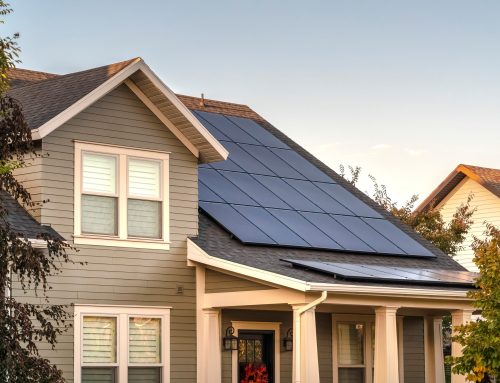
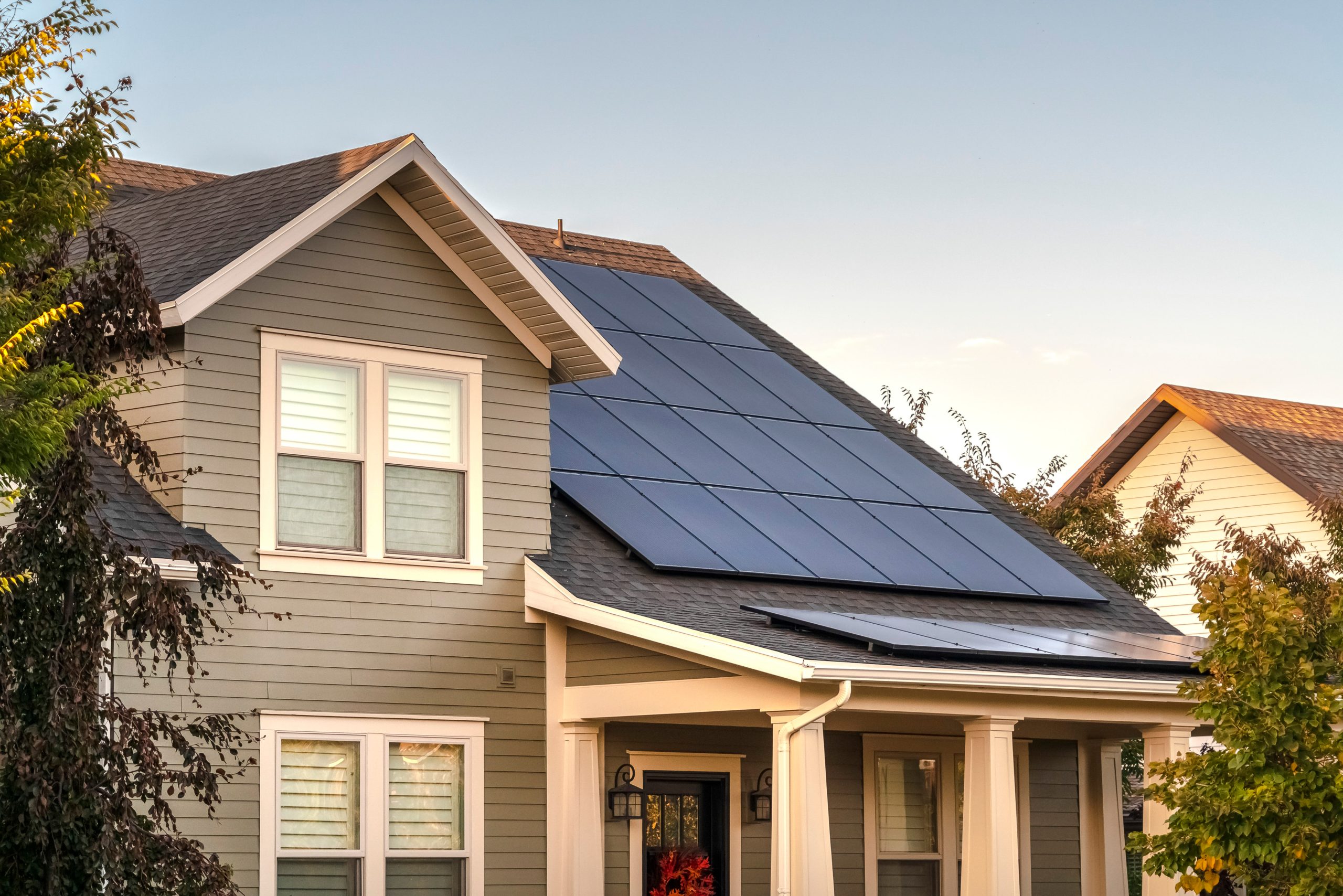
Solar-integrated roofs combine the function of traditional roofing with the power of solar energy generation. Instead of panels bolted on top, these systems use solar shingles or built-in designs that blend with the roof.
You get a protective, durable roof and a renewable energy system in one. In California, where regulations and incentives strongly encourage solar adoption, this option can significantly lower long-term energy costs while reducing your carbon footprint.
The upfront price is higher, but with tax credits, rebates, and rising utility costs, solar-integrated roofs are quickly becoming a forward-thinking choice for Bay Area homeowners looking to pair sustainability with savings.
Pros and Cons of Eco-Friendly Roofing Materials
Every eco-friendly roofing option comes with trade-offs in cost, lifespan, and maintenance. Here’s a side-by-side look at the main materials and what homeowners should expect:
| Roofing Material | Pros | Cons |
| Cool Roofs | Lowers attic temperatures and energy bills; affordable reflective coatings available | Requires re-coating over time; benefits are less noticeable in cooler climates |
| Metal Roofing | 40–70 year lifespan; recyclable; solar-friendly; durable against Bay Area storms | Higher upfront cost; can be noisy without proper insulation |
| Clay & Concrete Tiles | Extremely durable (50+ years); natural insulation properties; timeless curb appeal | Heavy and may need structural reinforcement; higher upfront expense |
| Wood Shakes & Shingles | Renewable and biodegradable; rustic aesthetic; FSC-certified wood supports sustainability | Shorter lifespan (20–30 years); higher fire risk without modern treatments |
| Green (Living) Roofs | Excellent insulation; reduces stormwater runoff; improves air quality; adds usable space | High installation cost; requires regular maintenance and structural support |
| Solar-Integrated Roofs | Generates clean energy; reduces bills long-term; eligible for tax credits and rebates | Very high upfront cost; savings depend on pairing with battery storage |
Choosing the Right Eco-Friendly Roof for Your Home
The best eco-friendly roofing option depends on more than just budget. Your home’s structure, local climate, and long-term goals all play a role in making the right choice.
In the Bay Area, homeowners facing long, sunny summers often get the most benefit from cool roofs or metal systems that reflect heat and cut cooling bills. Tile roofs are ideal if you want long-term durability and don’t mind the upfront investment, while wood shakes can be an option if sourced responsibly and treated for fire resistance.
For flat or urban homes, living roofs create insulation and green space, while solar-integrated roofs deliver energy savings that grow over time.
Because no two homes are the same, working with a roofing professional is the best way to weigh options against your structure, energy needs, and budget.
Protect Your Home and the Planet with Eco-Friendly Roofing
Eco-friendly roofing lowers energy bills, reduces waste, and supports a healthier environment. Whether you choose reflective cool roofs, long-lasting metal, timeless tile, or a solar-integrated system, the right material can balance sustainability with comfort and savings.
The best next step is to talk with a professional roofer who understands both the options and the unique needs of Bay Area homes. At Moran Roofing, we’ll help you compare materials, explain long-term benefits, and find the eco-friendly solution that fits your goals and budget.
Call us at (925) 454-9200 or book your estimate online to start planning your sustainable roof upgrade.