- Roofs and indoor air quality are closely connected, since proper ventilation and materials help keep the air inside your home clean and balanced.
- Leaks, trapped moisture, and outdated insulation can spread mold spores and pollutants that affect how your home feels and how you breathe.
- Routine inspections, balanced airflow, and low-VOC roofing products protect both your roof and your family’s indoor environment year-round.
How Roofs Influence the Air You Breathe
Your roof does far more than shield you from rain and sun. It also plays a quiet but critical role in the quality of your indoor air.
Every part of your roofing system, from the shingles to the attic insulation, affects how air moves, how moisture behaves, and what ends up circulating through your home.
When your roof functions properly, it helps your home “breathe.” Fresh outdoor air flows in through intake vents while warm, humid air escapes through exhaust vents. This steady circulation keeps humidity levels stable, prevents mold and mildew from forming, and stops pollutants from lingering indoors.
But when a roof is poorly ventilated or has hidden leaks, the balance shifts. Trapped moisture breeds mold, stale air collects in the attic, and airborne irritants like dust, spores, and even volatile organic compounds (VOCs) begin to spread through your ductwork.
Over time, that can trigger allergies, worsen asthma, and make indoor air feel heavy or stuffy, even if everything looks fine on the surface.
Common Roof-Related Causes of Poor Indoor Air Quality
If your home’s air feels damp, musty, or stale, the problem may start above your ceiling, not inside your HVAC system. Roofing issues are often the hidden culprits behind poor indoor air quality. Even minor leaks, outdated ventilation, or clogged drainage can quietly introduce pollutants and moisture into your living space.
Below are some of the most common roof-related factors that compromise the air you breathe.
Hidden Leaks and Moisture Intrusion
A small leak might seem harmless at first, but it can quickly turn into a breeding ground for mold and mildew. When rainwater seeps into roof decking, insulation, or attic spaces, it creates pockets of moisture that stay trapped long after the weather clears.
As the moisture lingers, mold spores multiply and eventually spread through your home’s air ducts and vents. Even if the leak is hidden behind drywall or insulation, the musty odor it leaves behind can be an early warning sign. Over time, the result isn’t just structural damage. It’s reduced air quality, respiratory irritation, and potential health risks for your family.
Poor Ventilation and Stale Air
When warm, humid air rises from your living areas into a poorly ventilated attic, it becomes trapped beneath the roof deck. That stale air condenses on cooler surfaces, creating moisture that feeds mold growth and damages insulation.
At the same time, without adequate ventilation, fresh outdoor air can’t circulate effectively through the attic. The result is stale, heavy indoor air and rising humidity levels that make your HVAC system work harder to maintain comfort.
Balanced ventilation, with a combination of soffit and ridge vents, keeps the air fresh and humidity low throughout the home.
Aging or Contaminated Insulation
Over time, insulation can lose its effectiveness and even become a source of indoor air pollution. When insulation gets wet from leaks or condensation, it loses its thermal resistance and becomes a breeding ground for mold, bacteria, and dust mites.
Old or deteriorating insulation can also release tiny airborne fibers and particles that circulate through your vents. This is especially common in homes with older fiberglass or cellulose insulation that’s been disturbed by moisture or pests.
Replacing old or damp insulation and sealing air leaks around your attic can drastically improve indoor air quality and energy efficiency. A dry, well-maintained insulation layer acts as a clean barrier between your living space and the outdoor environment above.
Rodent and Pest Infestations in Roof Cavities
Rodents, birds, and insects often enter through small gaps in flashing, vents, or soffits, leaving behind droppings, nesting materials, and dander that damage the roof and contaminate the air.
Their activity can also disturb insulation, clog vents, and restrict airflow, all of which contribute to stale or polluted indoor air. In some cases, decomposing organic matter from pests can release harmful bacteria and allergens into your home’s ventilation system.
Regular roof inspections and proper sealing of entry points help prevent infestations before they start. Once the attic is cleaned and sealed, air filtration and duct cleaning can help restore a healthy airflow throughout the home.
How Roof Ventilation Improves Air Quality
When warm, humid air rises into a well-ventilated attic, intake vents along the soffits draw in cool, dry air while ridge or gable vents push moist, stale air out. This constant circulation prevents condensation, discourages mold growth, and keeps insulation dry and effective.
A recent 2024 study found that attic ventilation rates below 1 ACH (air change per hour) greatly increase the risk of mold growth, while ventilation rates above 5 ACH help control that risk, especially when insulation upgrades reduce natural airflow.
In Bay Area homes, where winter storms meet mild temperatures, that balance becomes especially important. Without consistent airflow, humid indoor air can linger in the attic and spread musty odors or allergens through the entire home. But with proper ventilation, your roof becomes an active part of your home’s air purification system that works silently, 24/7.
Materials and Maintenance That Support Healthier Homes
Improving indoor air quality starts long before you notice a musty smell or rising humidity. It begins with the materials and maintenance choices built into your roof system. The right products not only keep your home dry but also help prevent pollutants, mold spores, and off-gassing from entering your air.
Mold-Resistant Underlayments and Coatings
Moisture is the root cause of most air quality problems that originate in the roof. Modern underlayments with mold-resistant additives create a secondary barrier that blocks moisture before it seeps into decking or insulation.
Silicone- or elastomeric-based coatings add another layer of protection by sealing micro-cracks and preventing water intrusion during heavy Bay Area rains. Many of these coatings are also vapor-permeable, which means they stop water from coming in but still allow trapped moisture to escape, keeping your roof dry and breathable.
Energy-Efficient, Low-VOC Roofing Materials
Traditional asphalt shingles and adhesives can release VOCs, airborne chemicals that affect respiratory health, especially in enclosed or poorly ventilated homes.
Opting for low-VOC or cool roofing materials helps minimize these emissions while improving energy performance. CertainTeed tiles are not only long-lasting but also emit fewer compounds as they age.
According to the EPA’s Indoor Air Quality Division, low-VOC building materials play a key role in reducing household pollutant exposure, particularly in energy-efficient homes that are sealed tightly against outdoor air.
When paired with reflective coatings or light-colored finishes, these materials also keep attic temperatures lower, helping your HVAC system maintain cleaner airflow and consistent comfort through seasonal changes.
Regular Cleaning, Inspections, and Gutter Maintenance
Even the healthiest roof materials can’t protect your home if maintenance is neglected. Organic buildup, like leaves, debris, or algae, traps moisture and creates breeding grounds for mold spores that can travel into attic vents and living spaces.
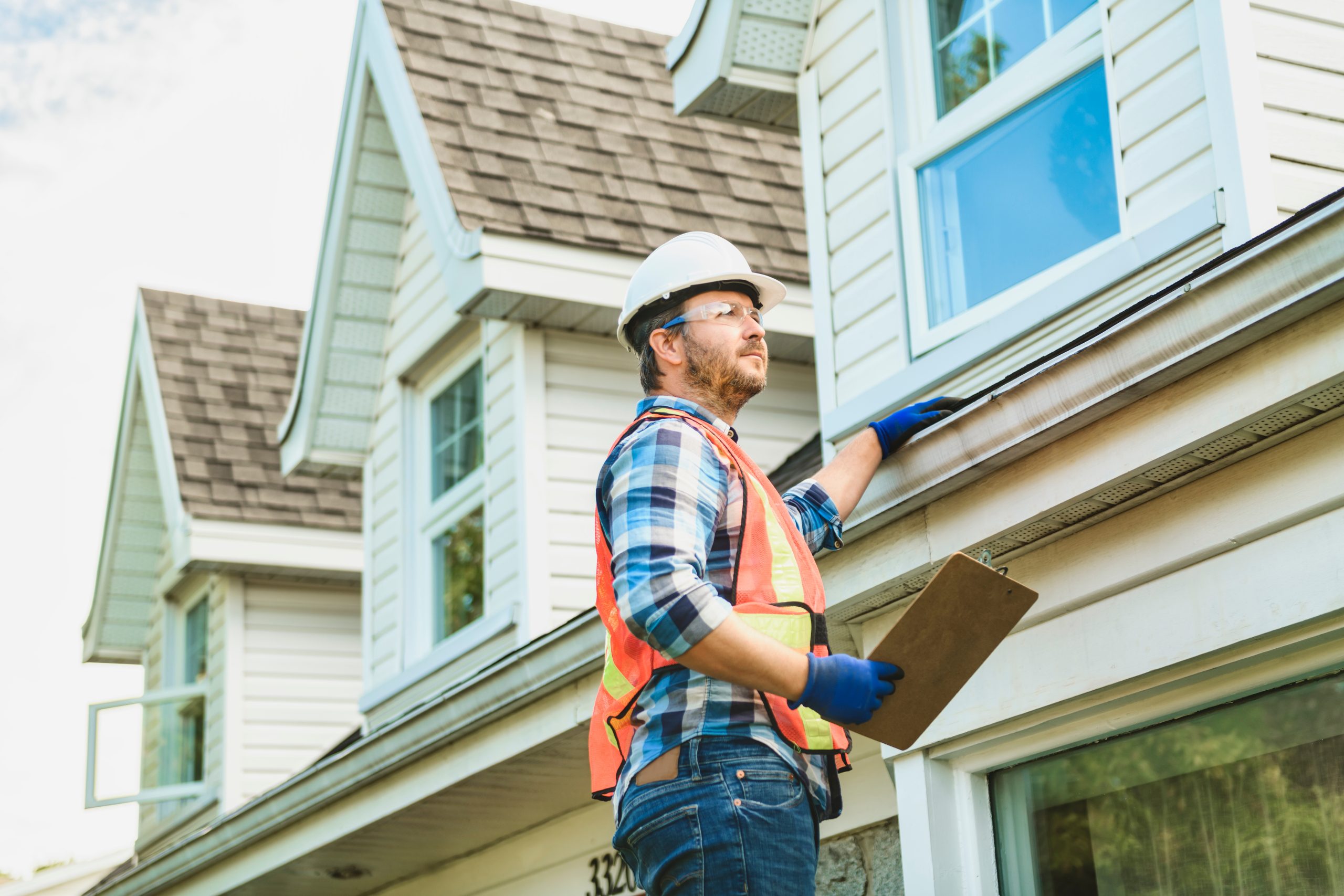
Regular roof and gutter cleaning helps water flow freely during storms, reducing the risk of leaks and stagnant moisture. Scheduling annual inspections ensures flashing, vents, and seals remain watertight, and early signs of mold or deterioration are caught before they spread.
For Bay Area homeowners, this proactive care is especially important during the rainy season. By keeping the roof clean and dry, you’re not just preventing structural damage — you’re actively protecting the air your family breathes every day.
Keep Your Air Clean from the Top Down
Your roof silently shapes the air your family breathes. When ventilation, insulation, and materials all work together, your home stays drier, cleaner, and safer year-round.
Moisture control, low-VOC products, and routine inspections are investments in your family’s comfort and well-being.
If you’ve noticed musty odors, rising humidity, or an aging roof, it may be time to schedule a professional inspection.
Call Moran Roofing at (925) 454-9200 or book an estimate online to make sure your roof and your air stay in peak condition this season.