- Fall in the Bay Area brings sudden rain, dropping leaves, and moisture buildup that can quickly turn small roofing issues into big, expensive problems.
- Taking time to prepare your roof for fall helps prevent leaks and water damage before the wet season hits.
- Roof prep in early fall should include debris removal, drainage checks, flashing inspections, and scheduling a professional inspection if your roof is older or showing signs of wear.
Why It’s Important to Prepare Your Roof for Fall
After a long, dry summer, your roof may have taken a beating. Intense heat and constant sun exposure can cause shingles to crack, curl, or lose their protective granules. Flashing can warp, sealants can dry out, and these issues can weaken your roof’s ability to handle moisture. That becomes a big problem once fall storms arrive.
In the Bay Area, rain can show up fast and hit hard. The first heavy storm of the season often reveals issues that went unnoticed all summer, like minor leaks, blocked drainage, or deteriorated materials.
Once water gets in, the damage adds up quickly with ruined insulation, mold growth, and interior repairs that can cost thousands. According to the Insurance Information Institute, the average homeowners insurance claim for water damage is nearly $14,000, and that’s not even counting the hassle of interior repairs.
When you prepare your roof for fall, it helps you stay ahead of the weather, avoid emergency fixes, and protect your home before the rain starts falling. Think of it as routine roof maintenance that saves you from major headaches later.
7 Steps to Prepare Your Roof for Fall
A little preparation now can prevent major water damage, extend the life of your roof, and help you avoid costly repairs during the rainy season. Here’s where to start if you want to prepare your roof for fall:
1. Clear Leaves and Debris From Gutters and Roof Valleys
When gutters and roof valleys get clogged with dry leaves, pine needles, or dirt, water can’t drain properly. Instead, it backs up under shingles or overflows near your foundation, which are two problems you don’t want when the rain starts falling.
Use gloves or a scoop to clear out your gutters, and flush them with a hose to ensure water flows freely. While you’re at it, remove debris from any low points or valleys on your roof where water tends to collect.
2. Trim Overhanging Branches and Nearby Trees
Branches that hang over your roof are more than just a leaf-dropping nuisance. During a storm, strong winds can snap limbs and send them crashing down, causing serious damage to shingles, flashing, or even your roof structure.
Cut back any branches that hang over your home or brush against the roof, especially those from older or top-heavy trees. This helps protect your roof, reduces the debris buildup, and even minimizes the risk of rodents or pests using trees to access your attic.
3. Check for Missing or Damaged Shingles
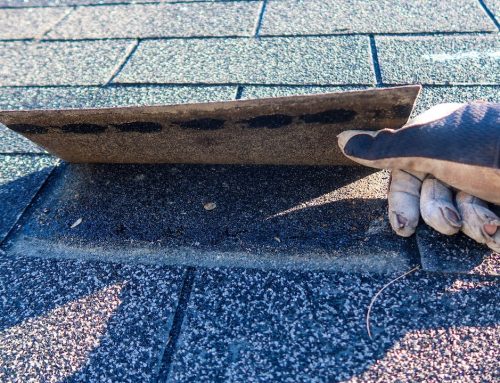
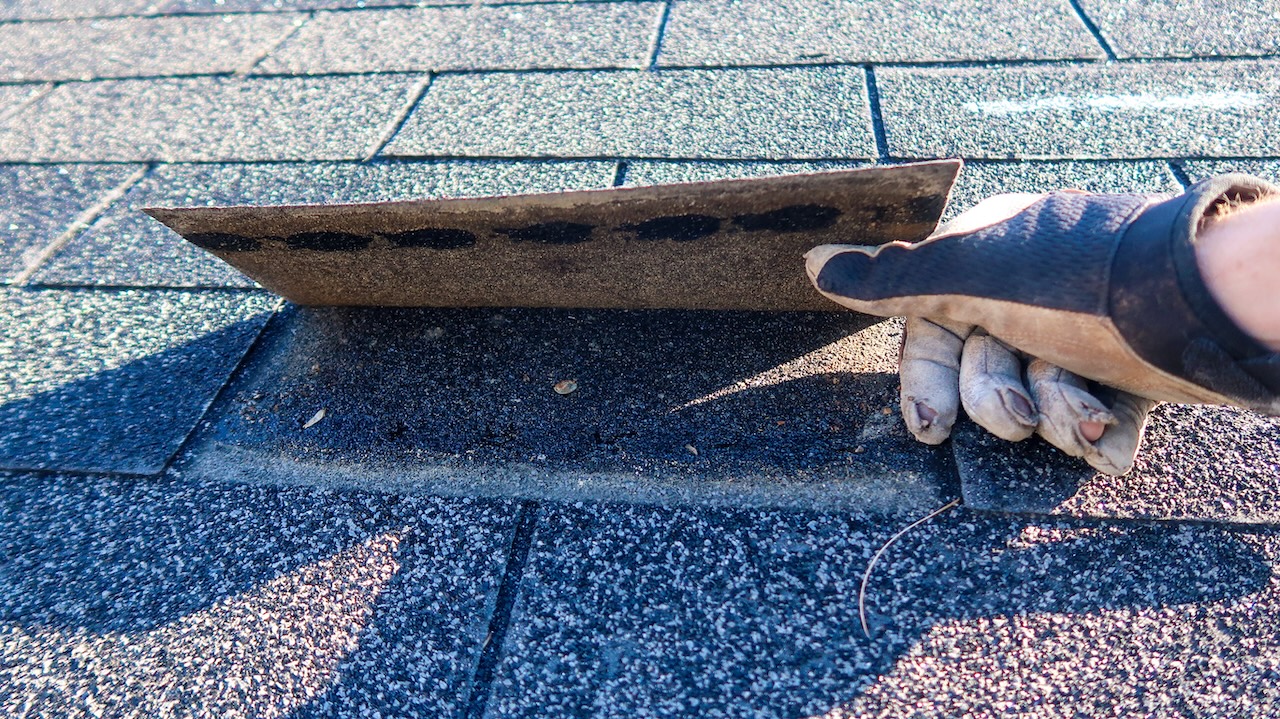
Even one cracked or missing shingle can let water in. After a long, hot summer, UV exposure can dry out shingles and cause them to curl, blister, or become brittle. If they’re already compromised, a fall storm could easily tear them off or allow water to sneak underneath.
Grab some binoculars or safely inspect your roof from a ladder. Look for signs like lifted edges, bald patches, or misaligned rows. If you spot anything suspicious, call a professional for a closer look and quick repair before the rain makes it worse.
4. Inspect and Seal Flashing and Roof Penetrations
Flashing is the thin metal used to waterproof areas where your roof meets things like chimneys, skylights, or vents. Over time, flashing can corrode, warp, or pull away, especially after months of sun exposure and temperature swings.
Take a look at these vulnerable areas and check for gaps, cracks, or missing sealant. Resealing them with roofing caulk or flashing cement is a simple fix that helps prevent leaks where they’re most likely to happen.
5. Check Attic Ventilation and Insulation
Your attic plays a bigger role in roof health than most people realize. Poor airflow and thin insulation can trap moisture after a storm, which creates the perfect conditions for mold, rot, and roof deterioration.
Before fall, check that attic vents are clear of dust and debris, and make sure insulation is dry, intact, and evenly distributed. If it feels damp or you notice condensation, that’s a red flag that means it might be time to call in a pro to assess the attic ventilation system before rainy weather hits.
6. Clean and Inspect Downspouts and Drains
Gutters are only half the battle. If your downspouts or drains are clogged, water has nowhere to go. That leads to overflow, foundation issues, and even roof leaks if water backs up under the shingles.
Check that downspouts are securely attached, free of blockages, and directing water at least 3–4 feet away from your home. If you have a flat or low-slope roof with internal drains, inspect them for leaves, sediment, or standing water. These are notorious trouble spots during Bay Area storms.
7. Schedule a Professional Roof Inspection
Some damage just isn’t visible from the ground. A professional roofer can spot early signs of wear, test vulnerable areas, and make minor repairs on the spot before they become major problems.
The end of the summer is the perfect time to book a professional roof inspection, before schedules fill up and while the weather is still dry. It’s a small investment that can help you avoid emergency leak repairs and expensive interior damage when the first storm rolls in.
Don’t Forget the Flat Roofs and Additions
It’s easy to overlook flat roofs, garage additions, or extensions, especially when they’re out of sight from ground level. However, these areas are often the most vulnerable during fall storms.
Flat and low-slope roofs don’t shed water as efficiently, which means leaves, debris, and standing water can quickly lead to pooling, leaks, or structural stress. Even a minor clog in an internal drain can result in serious water intrusion.
If your home includes a flat roof section, the best way to prepare your roof for fall is to:
- Check for ponding water, cracks, or soft spots.
- Clear all debris, especially around drains and seams.
- Ensure flashing is intact where the addition meets the main house.
Keep Your Roof and Home Dry This Fall
The best time to prepare your roof for fall is before the first storm hits. Bay Area rains can expose even the smallest weaknesses, like damaged shingles, clogged drains, or worn flashing, and turn them into costly repairs overnight.
By taking a few simple steps now, you can protect your home from water damage, extend the life of your roof, and avoid those last-minute emergency calls when the weather turns.
Not sure if your roof is fall-ready? Our team can help.
Book a roof inspection and get peace of mind before the next storm hits.