You won’t sweat Livermore’s climate if you have proper roof ventilation.
Living in Livermore means embracing the unpredictable. Sun, fog, heat, chill—sometimes all in one day. It’s what makes the Bay Area unique, but it also puts a strain on our homes.
We obsess over insulation, heating, and air-con, but there’s one factor that often flies under the radar: proper roof ventilation. It’s the unsung hero of a comfortable, healthy home, especially in our ever-changing climate.
Your attic is like a pressure cooker. Without proper ventilation, heat and moisture build-up, creating a breeding ground for discomfort, mold, and even structural damage.
But with the right ventilation system, your home can breathe. Hot air escapes, fresh air circulates, and you’re left with a living space that’s comfortable year-round, no matter what the weather throws your way.
So, if you’re tired of battling your home’s temperature or that lingering musty smell, give your attic the attention it deserves. Let’s explore how peak ventilation can make a world of difference.
The science behind proper roof ventilation
Think of your attic like a hot air balloon on a summer day. Heat naturally rises, and without an escape route, it gets trapped, turning your attic into a sweltering oven.
Proper ventilation creates a pathway for this hot air to escape, replaced by cooler air from outside. It’s like opening a window in your attic, allowing it to “breathe” and regulate its temperature.
But it’s not just about letting hot air out. Balanced ventilation also ensures fresh air can enter, creating a continuous flow that prevents moisture buildup and keeps your home healthy. This is achieved through a combination of intake vents (typically located at the eaves or soffits) and exhaust vents (usually at or near the roof ridge).
In a nutshell, intake vents draw in cool air, while exhaust vents expel the warm, moist air, creating a balanced system that keeps your attic—and your entire home—comfortable and breezy through the seasons.
Why your attic can’t breathe
It’s easy to overlook what’s happening in our attics, hidden away from sight. But the truth is, poor roof ventilation can wreak havoc on your home, your health, and your wallet. Let’s take a closer look at the specific consequences you might face, especially in the Bay Area’s climate.
Summer
Imagine your attic as a parked car on a scorching Livermore summer day. Without ventilation, the heat becomes unbearable. Now, picture that trapped heat radiating down into your living spaces. Not only does this make your home uncomfortable, but it forces your AC to work overtime, driving up your energy bills.
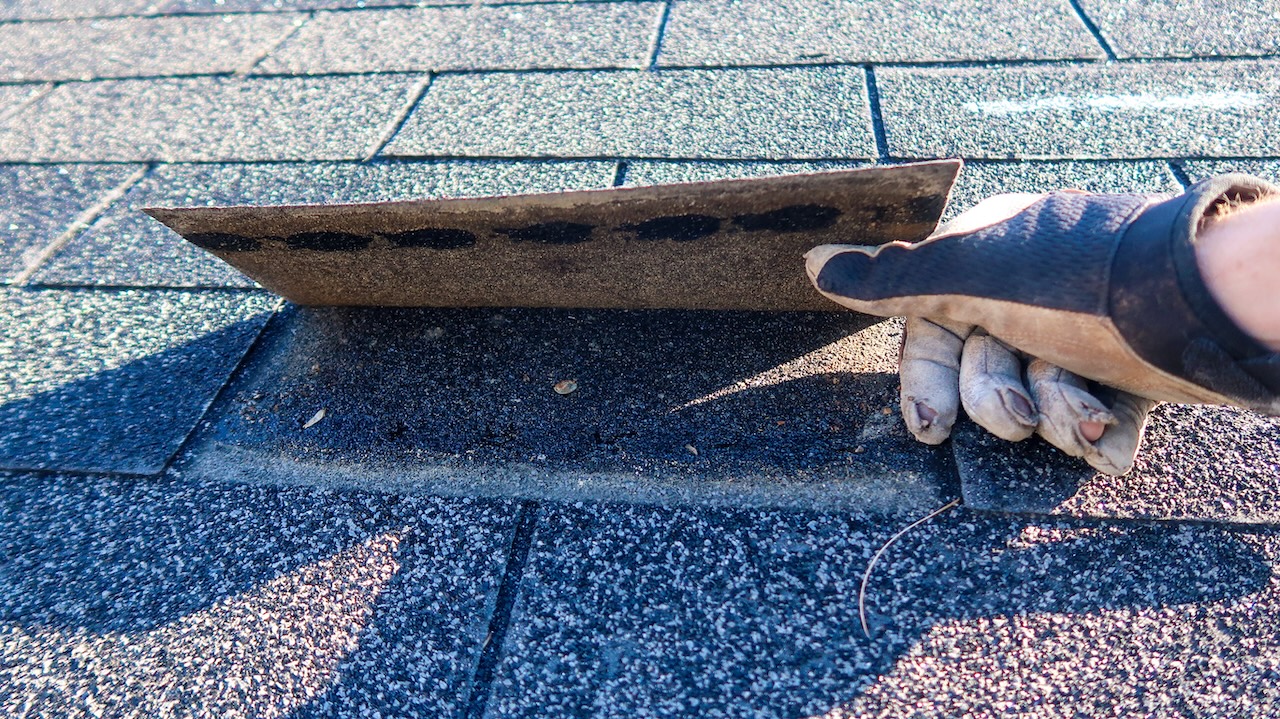
But the damage doesn’t stop there. Excessive heat can bake your roofing materials, causing them to deteriorate faster than they should. Shingles become brittle and crack, leading to leaks and costly repairs down the line.
Plus, let’s not forget that the Bay Area’s microclimates can intensify these issues. Inland areas experience extreme heat, while coastal regions grapple with humidity—both scenarios put a strain on poorly ventilated attics.
Winter
When temperatures drop, poor ventilation creates a different set of problems. Warm, moist air from your living spaces rises into the attic, where it meets the cold roof. This causes condensation, like tiny raindrops forming on a cold window.
This moisture buildup is a recipe for disaster. It creates the perfect environment for mold and mildew to thrive, compromising your indoor air quality and posing health risks. It can also lead to wood rot, weakening your roof’s structure.
If that wasn’t enough, the Bay Area’s occasional winter storms can exacerbate the problem. Moisture trapped in the attic can freeze and thaw repeatedly, leading to ice dams that cause leaks and further damage.
All year
Even when the weather is mild, poor ventilation takes a toll. Trapped pollutants and allergens circulate throughout your home, affecting indoor air quality and potentially triggering allergies or respiratory issues.
Plus, a damp, poorly ventilated attic is like a welcome mat for pests. Rodents, insects, and even birds seek out these cozy, humid spaces to build nests and cause further damage.
The Bay Area’s diverse microclimates add another layer of complexity. Coastal areas experience high humidity, increasing the risk of moisture-related problems. Inland regions face extreme temperature swings, putting stress on roofing materials and ventilation systems.
Properly addressing these challenges requires a ventilation strategy tailored to your specific location. That’s where understanding the science and consequences of poor ventilation becomes so important.
Next, we’ll explore how effective roof ventilation can combat these issues, creating a comfortable, healthy, and energy-efficient home—no matter where you live in the Bay Area.
The benefits of proper roof ventilation
Let’s flip the script and see how a properly ventilated attic can transform your Livermore home.
It becomes your home’s natural thermostat
In the summer, a well-ventilated attic allows hot air to escape through the exhaust vents. This prevents heat buildup, keeping your attic and living spaces cooler. Your AC won’t have to work as hard, leading to lower energy bills and a more comfortable indoor environment.
In the winter, proper ventilation helps maintain a consistent temperature by minimizing heat loss. In preventing moisture buildup, it reduces the chance of condensation forming on the underside of your roof, which can lead to heat transfer and a colder home.
It controls moisture, banishing mold and mildew
Humidity is a constant battle in many Bay Area microclimates, especially near the coast. A well-ventilated attic allows moist air to escape, preventing condensation and the growth of mold, mildew, and wood rot. This not only protects your home’s structural integrity but also creates a healthier living environment for you and your family.
It extends the life of your roof
Excessive heat and moisture are the enemies of roofing materials. Regulating temperature and humidity with proper ventilation helps protect your roof from premature wear and tear. This translates to a longer lifespan for your roof, saving you money on repairs and replacements down the line.
Remember, your roof is a major investment. Taking steps to extend its life is not only good for your home but also for your wallet!
Breathe easy, Livermore
Proper roof ventilation isn’t a luxury—it’s a necessity for homes in the Bay Area. At Moran Roofing, we understand the specific challenges of Livermore’s climate. Our team of experts is dedicated to providing tailored ventilation solutions that keep your home comfortable and protected, no matter the season.
Ready to breathe easier? Contact us today for a free consultation. Let’s tackle your roofing issues and create a home that truly thrives, rain or shine.