How Your Roof Affects Indoor Temperature and Energy Bills
- Dark, non-reflective roofing materials can raise attic temperatures by 40°F or more, pushing heat into your living space.
- Poor roof ventilation traps that heat, forcing your AC to run longer and raising energy bills by 10–15% during summer.
- Energy-efficient roofs with reflective surfaces and proper airflow can reduce cooling costs and extend your HVAC lifespan.
Your Roof Is a Giant Heat Sponge in the Summer
On a hot summer day, the surface of a traditional asphalt roof can hit 150+°F, even when the air temperature is just 90°F. That intense heat radiates into your attic and upper floors, turning your home into a slow cooker from the top down.
As a result, attic temperatures can climb to 130–150°F, heating the rest of your home and forcing your AC to work double-time just to keep up.
That extra workload is expensive. According to the Residential Energy Consumption Survey, cooling accounts for about 12% of a home’s energy use, and a hot roof can drive those numbers even higher. In some homes, poor roof insulation and heat absorption add 10–15% to summer cooling costs alone.
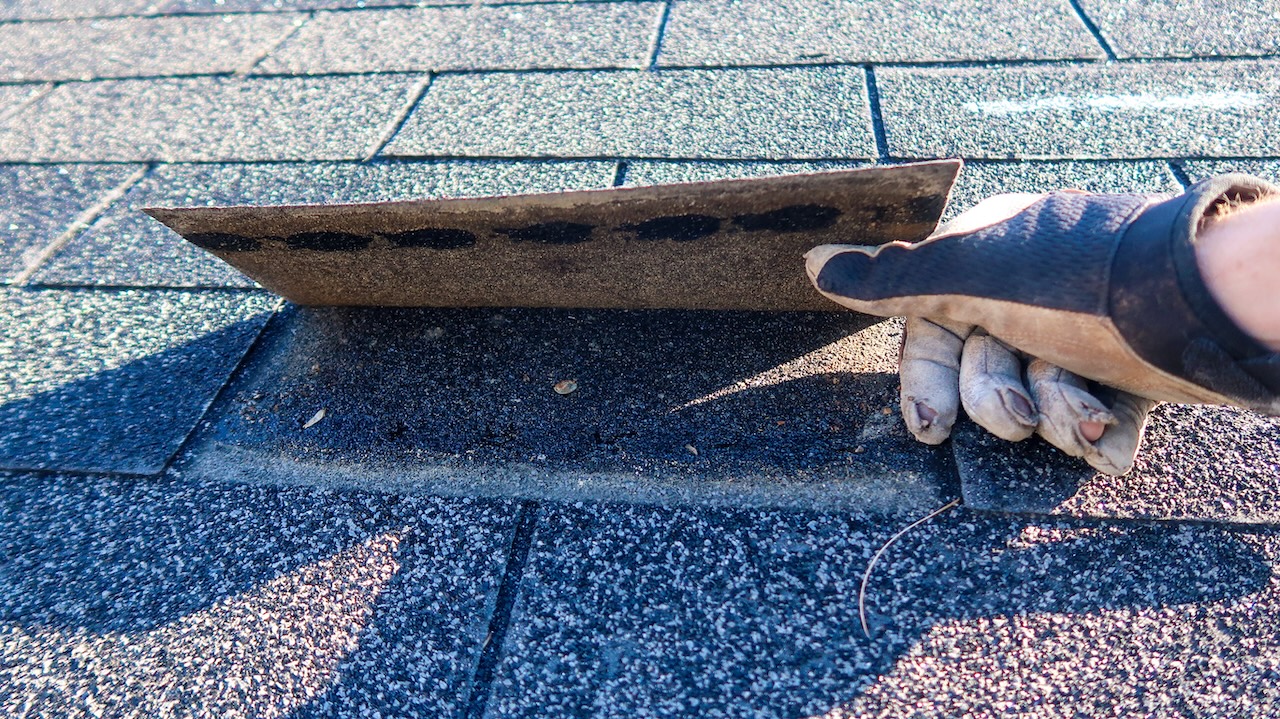
Over time, all that heat also wears down roofing materials faster, especially asphalt shingles. Constant thermal cycling leads to cracking, curling, and shortened roof lifespan, which means more repairs and earlier replacement.
A hot roof isn’t just uncomfortable. It quietly drives up your energy bills and eats away at your roof from the inside out.
Poor Ventilation and Insulation Make Things Worse
A hot roof is only part of the problem. If your attic isn’t ventilated properly or lacks enough insulation, all that heat has nowhere to go and your home ends up baking from the top down.
Without proper ventilation, hot air gets trapped in your attic like steam in a pressure cooker. This raises the temperature in your attic (and eventually your home) by 20–40°F more than it should be. And when insulation is thin, damaged, or missing altogether, that heat seeps straight into your ceilings, which can turn bedrooms into saunas by late afternoon.
Attic insulation is supposed to act like a thermal shield, but if it’s not doing its job, your AC is forced to fight a losing battle by constantly working to cool the space below while heat continues pouring in from above.
As a result:
- Your HVAC system runs longer, wears out faster, and uses more electricity.
- Your home develops hot spots, as upstairs rooms are impossible to stay in, while downstairs stays cool.
- Your energy bills spike, even though your home still feels uncomfortable.
Poor attic airflow and insulation can also lead to condensation, mold, and roof damage over time. This can create a cycle of trapped heat and moisture that not only drives up energy bills but can also shorten the lifespan of your roof.
Roof Color and Material Play a Big Role
The color and material of your roof have a massive impact on how much heat your home absorbs, especially during California’s long, sunny summers.
Darker roofs can reach temperatures of 150+°F in direct sunlight, while light-colored or reflective roofs often stay 30–50°F cooler. That difference in surface temperature translates directly into how much heat enters your attic and radiates into your home.
Material matters too. Traditional asphalt shingles absorb and hold heat, acting like a thermal blanket over your house. On the other hand, energy-efficient materials like metal, clay tile, or cool roof shingles reflect more sunlight and release heat faster.
If your roof is dark, older, or made of a heat-trapping material, it’s likely one of the main reasons your upstairs rooms turn into ovens by mid-afternoon. Upgrading to a lighter, more reflective material can reduce surface temperatures, improve indoor comfort, and lower your energy bills without cranking your AC all day.
Signs Your Roof Is Driving Up Your Energy Bills
Not sure if your roof is part of the problem? Here are some clear red flags:
- Your upstairs rooms are noticeably hotter. If your second floor feels 10–15°F warmer than the ground floor, that’s often due to trapped attic heat.
- Your AC needs to be on at all times. When your roof traps heat, your HVAC system works overtime just to keep things tolerable, especially in the late afternoon.
- You notice spikes in your summer energy bills. A poorly insulated or heat-absorbing roof can quietly raise your cooling costs considerably in the hotter months.
- You see signs of wear in your attic. Warped wood, insulation damage, or condensation buildup are clues that heat and moisture are getting in and staying there.
- Your roof feels hot to the touch well into the evening. That means it’s retaining heat long after the sun goes down, which keeps your home warm overnight.
How to Improve Roof Performance Without Replacing It
You don’t always need a full replacement to lower your energy bills. In many cases, a few strategic roof repairs and upgrades can make a big impact, especially in older homes.
- Upgrade attic insulation. Adding high-R-value insulation helps block heat transfer from your roof into your living space. It’s one of the most cost-effective ways to reduce cooling demand.
- Improve roof ventilation. Ridge vents, soffit vents, and attic fans help hot air escape instead of getting trapped. Better airflow means lower attic temps and less strain on your HVAC system.
- Seal air leaks. Small gaps around attic hatches, recessed lights, or ducts can let hot air seep in. Sealing these spots helps keep conditioned air inside and heat out.
- Apply a reflective roof coating. For certain roof types (like flat or low-slope roofs), reflective coatings can reduce surface temperatures by 50°F or more, cutting heat absorption significantly.
- Consider light-colored or cool roof shingles (for partial replacements or additions). If you’re re-roofing a section, like a garage or addition, opt for energy-efficient shingles or tiles to reduce overall heat gain.
When It’s Time to Replace Your Roof for Better Efficiency
If your roof is old, damaged, or made from outdated materials that trap heat, updates may not be enough.
Here are a few signs it’s time to consider a full roof replacement for energy efficiency:
- Your roof is 20+ years old. Most asphalt shingle roofs start to deteriorate after two decades, especially in hot, sunny climates. Older materials typically lack modern energy-saving features like reflectivity or insulation support.
- You’re constantly repairing leaks or damage. If your roof needs frequent patch jobs, it may be more cost-effective in the long run to invest in a new, efficient system.
- You see curling, cracking, or bald shingles. Worn-out shingles absorb more heat and allow more transfer into your attic, especially if there’s no radiant barrier underneath.
- Your attic feels like a sauna, even with insulation. This could mean your roofing material is trapping too much heat, and ventilation upgrades alone won’t solve the problem.
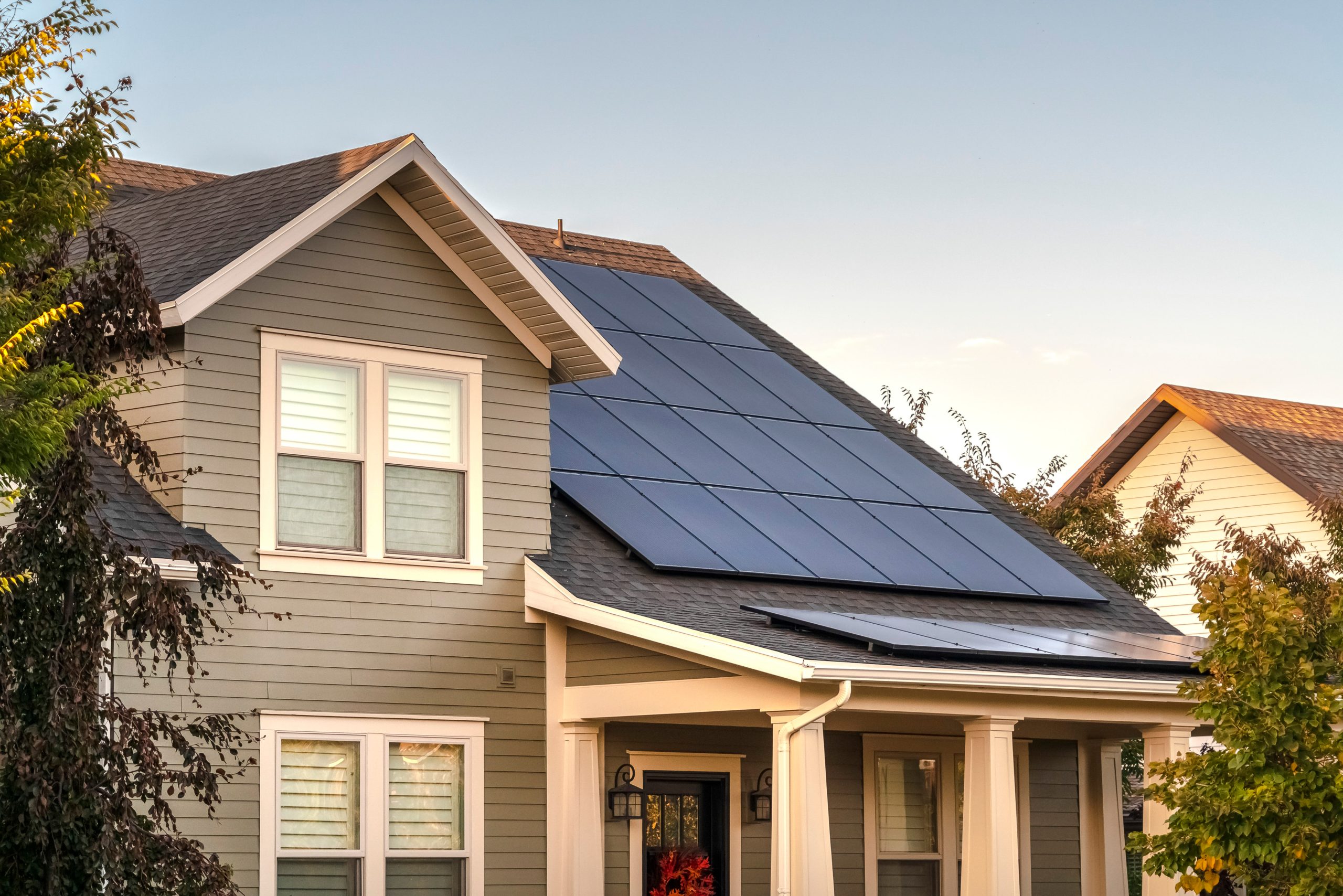
- You’re redoing your HVAC or solar setup. A new roof is worth considering if you’re already investing in major home systems. Energy-efficient roofing can enhance the performance of both solar panels and modern HVAC systems.
Comfort Starts at the Top
If your home feels hot, stuffy, or expensive to cool, your roof could be the reason. Whether it’s absorbing too much heat, trapping hot air in the attic, or simply past its prime, your roof has a direct impact on how your home feels and what it costs to stay comfortable.
Small upgrades like better ventilation or insulation can make a noticeable difference, but if your roof is outdated, replacing it with a modern, energy-efficient system could lower your bills, reduce wear on your HVAC, and keep every room cooler year-round.
Call Moran Roofing at (925) 454-9200 or schedule an estimate online to get expert recommendations for boosting comfort and efficiency without wasting energy or money.