Roof Fire Protection Tips to Help You Stay Safe This Summer
- California wildfires are getting worse each year, and 2025 is already outpacing 2024 with over 4,100 wildfires burning more than 200,000 acres before peak season even begins.
- Your roof is one of the most vulnerable parts of your home during a wildfire, and it’s also one of the most critical for defending against airborne embers and extreme heat.
- Simple steps, such as clearing debris, upgrading vents, and selecting Class A roofing materials, can significantly reduce your risk during fire season.
The Tough Reality of California Summers for Homeowners
California summers aren’t what they used to be. They’re hotter, drier, and more dangerous, especially for homeowners.
So far in 2025, California has already experienced over 4,100 wildfires that have scorched more than 200,000 acres. That’s more than double the acreage burned compared to last year, and we haven’t even reached peak fire season. Keep in mind that the five-year average is around 116,000 acres. We’re well past that already.
What’s behind the surge? It’s a mix of prolonged drought conditions, extreme heat, and dry vegetation creating the perfect fuel. Add in strong seasonal winds, and it’s no wonder that a single spark or flying ember can lead to massive damage in minutes.
Unfortunately, homes are especially vulnerable. In many cases, it’s not the fire front itself that causes the destruction, it’s wind-driven embers landing on flammable roofs, clogged gutters, or dry debris. Once your roof catches, it’s often too late.
That’s why fire-resistant roofing is becoming a must for Bay Area homes.
5 Roof Fire Protection Tips for Summer
If you live in a wildfire-prone area like the Bay Area or anywhere in Northern California, you need to protect your home.
Summer is peak fire season, and your roof is the first line of defense. These roof fire protection tips can help you prepare now, before the flames are anywhere near your neighborhood.
1. Clear Debris From Gutters and Roof Valleys
Dry leaves, pine needles, and other debris may seem harmless, but they can act like kindling during wildfire season. One stray ember carried by the wind is all it takes to ignite a fire along your eaves or in a clogged gutter.
To prevent this from happening, start by clearing out your gutters and roof valleys in early summer, then check regularly, especially after dry, windy days. If your home is surrounded by trees, make debris cleanup part of your monthly routine until fire season ends.
2. Upgrade to Class A Fire-Rated Roofing Materials
Some roofing materials can catch fire within minutes of ember exposure. Others can help stop flames in their tracks.
Class A fire-rated materials like metal, clay tile, and fiberglass-based asphalt shingles are designed to resist ignition, even during direct flame contact or heavy ember fall.
If your roof is made from untreated wood shakes or is nearing the end of its life, consider replacing it with a fire-resistant option. It’s not just a home upgrade, it’s long-term wildfire protection.
3. Install Ember-Resistant Vent Screens
Vents may not seem like a fire risk, but they’re one of the easiest ways for flames to get inside your home. During a wildfire, wind-driven embers can be sucked through vents and ignite your attic insulation, rafters, or anything flammable hiding up there.
The fix is to install ember-resistant metal mesh screens with openings no larger than 1/8 inch over all attic and crawl space vents. These small but powerful upgrades can keep embers out while still allowing for airflow and roof ventilation.
Keep in mind that some newer vent designs include baffle systems that block embers and heat more effectively than traditional covers. So, upgrading your vents can also be a good idea.
4. Trim Trees and Vegetation Away From the Roofline
That shady tree overhanging your roof? It might be cozy, but in the fire season, it’s a serious hazard. Overhanging branches can catch embers, and dry vegetation near your home creates a path for flames to spread upward fast.
To combat this, create a defensible zone by trimming branches at least 10 feet away from your roof and chimney.
Clear dry brush and dead plants from around the base of your home, especially within the first 5 feet. This defensible space acts as a buffer between your home and advancing flames, and it’s one of the most effective ways to reduce wildfire risk.
5. Consider a Fire-Resistant Roof Coating or Sealant
Even if you’re not ready to fully replace your roof, you can still give it an extra layer of protection. Fire-resistant roof coatings help slow down ignition and limit the spread of flames on the surface of your roof.
Some coatings are designed for asphalt shingles or wood shakes, while others work on flat or metal roofs. They form a barrier that resists heat and can buy your home valuable time during a wildfire.
Keep in mind that fire-resistant coatings vary in quality and effectiveness. Always check that the product is UL-rated and meets California fire safety standards, and make sure it’s applied by a licensed roofing professional for best results.
The Importance of Roof Inspections During Fire Season
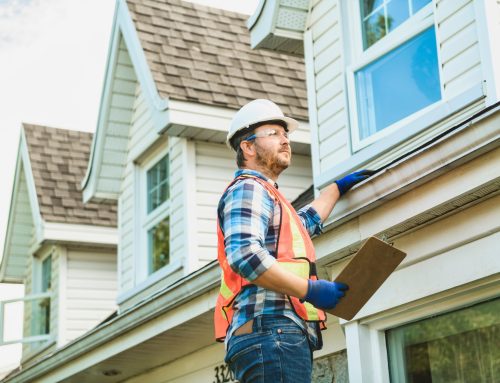
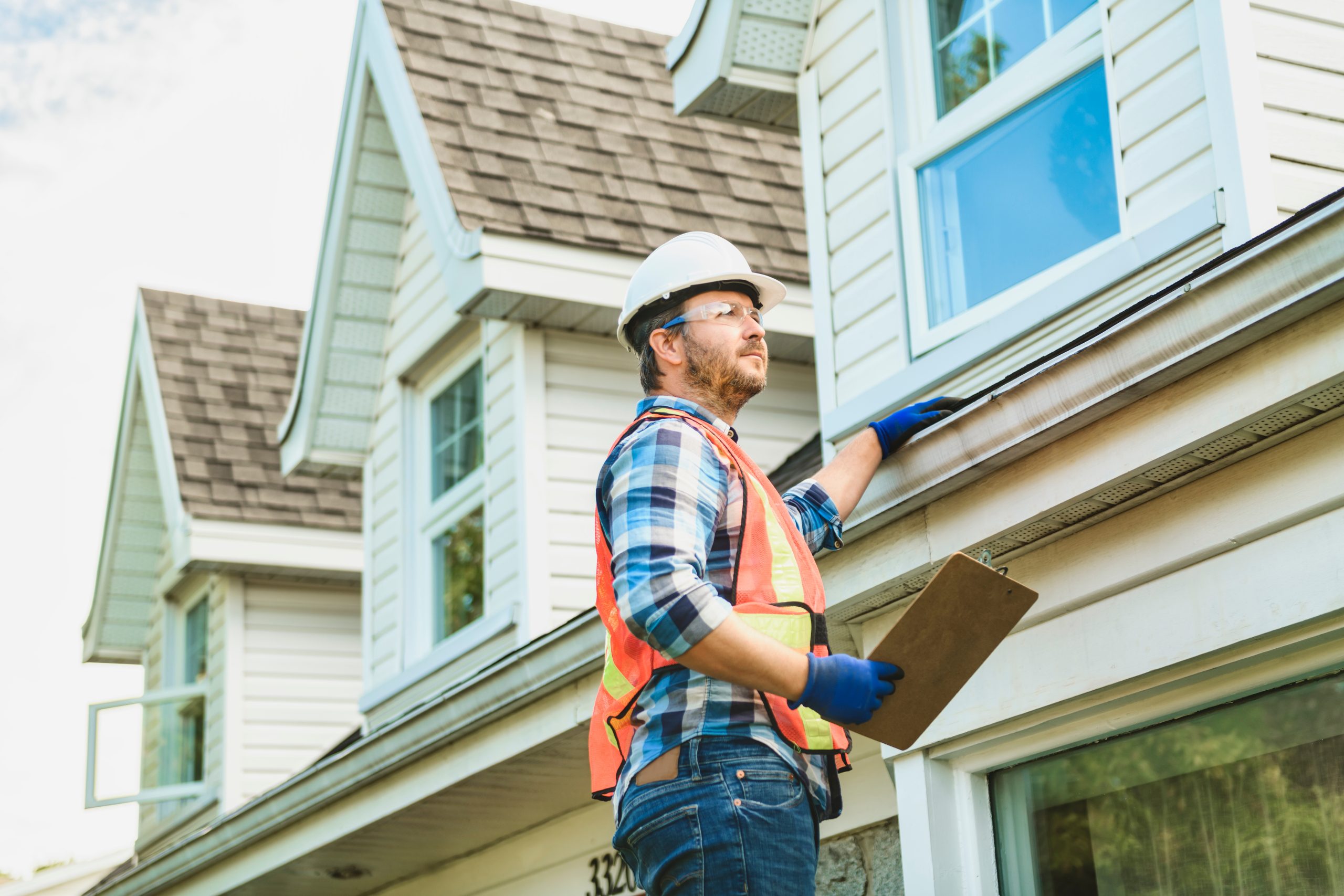
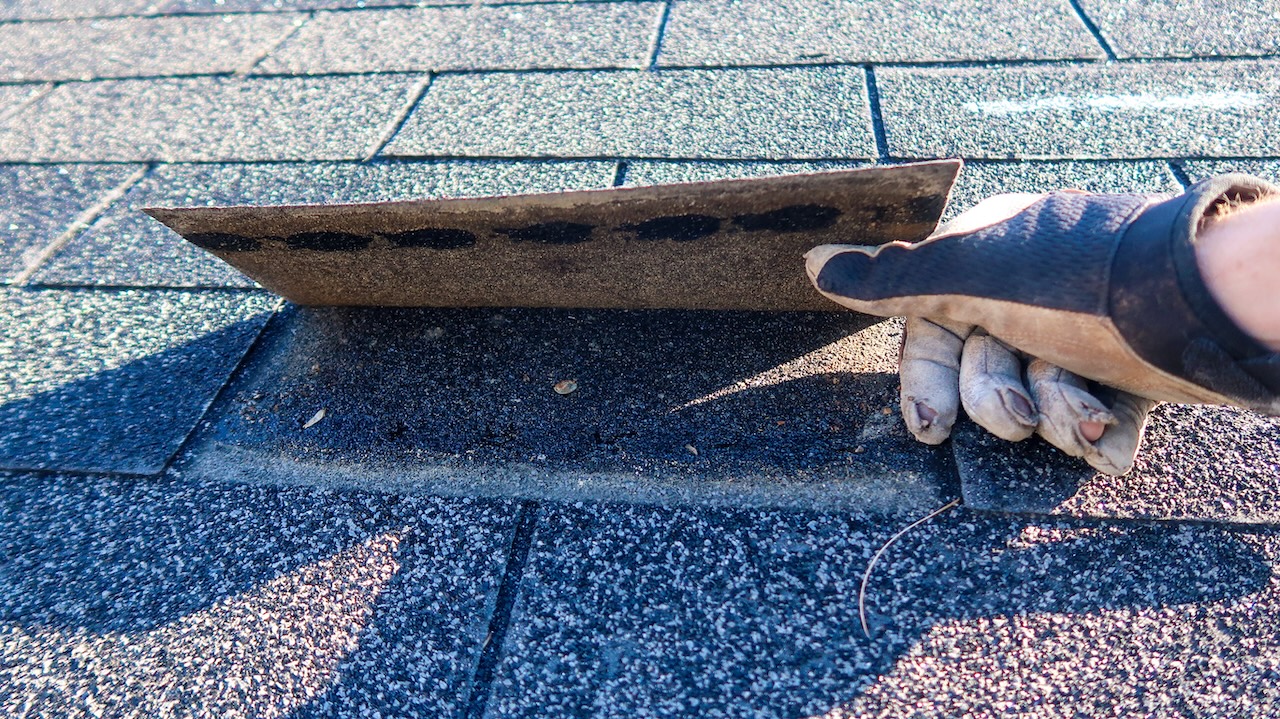
You might not think of your roof as a fire risk until it’s too late. The truth is, even minor vulnerabilities like missing shingles, clogged vents, or gaps around flashing can act as entry points for flying embers during wildfire season. And once those embers get in, they can smolder unnoticed until it’s too late.
That’s why you need a professional roof inspection. A qualified roofer knows how to spot weak points that homeowners might miss, like aging materials, improperly sealed vents, or debris buildup in hidden areas. They can also confirm whether your roof meets the latest fire-resistance standards or recommend cost-effective upgrades before peak season hits.
Regular inspections give you peace of mind and practical protection. And in some cases, they may even help with insurance compliance or eligibility for wildfire-related discounts.
Think of a summer roof inspection not as a chore, but as a shield that can make all the difference when fire season rolls in.
Don’t Wait for the Next Red Flag Warning to Prepare
California’s wildfire season is no longer a short-term threat. It’s an annual reality that demands action. The earlier you prepare your roof, the better chance your home has to withstand whatever this summer brings.
From choosing the right materials to clearing away fire hazards, every step you take now could save you stress, money, and even your home down the line.Ready to take action? Book your summer roof inspection and let our team assess your wildfire risks before they become wildfire damage.