Your home’s roof is its first line of defense against the elements. A sturdy, well-maintained roof keeps you safe, dry, and comfortable. But what happens when that protection starts to falter? Roof inspections can catch damage before it costs you big, saving you from stress and hefty repair bills down the line.
Let’s explore why roof inspections matter and the steps you can take to ensure your roof stays in great shape year-round. We’ll cover ten essential solutions to keep your roof working for you, not against you.
Why Roof Inspections Are a Must
You wouldn’t ignore a warning light on your car dashboard, so why overlook potential issues with your roof? Roof problems don’t always announce themselves with a dramatic leak. Sometimes, the damage is subtle—missing shingles, a cracked vent, or water pooling where it shouldn’t be. Left unchecked, these minor issues can escalate into costly repairs, water damage, or even a complete roof replacement.
Regular inspections are about prevention. They help you catch problems early, often long before you notice anything inside your home. Plus, a well-maintained roof can save you money on energy bills, protect your home’s value, and extend the lifespan of your investment.
10 Solutions to Keep Your Roof in Top Shape
1. Check for Missing or Damaged Shingles
Shingles are your roof’s armor, and even one missing piece can leave you vulnerable to leaks. During an inspection, look for cracked, curled, or missing shingles. Replacing them promptly is a simple fix that can prevent major water damage.
2. Inspect Flashing Around Chimneys and Vents
Flashing seals the areas where your roof meets chimneys, vents, and skylights. Water can seep in and cause structural damage if cracked, rusted, or loose. Repairing or replacing flashing is a cost-effective way to keep your roof watertight.
3. Clear Out Gutters and Downspouts
Clogged gutters might not seem like a roofing problem, but they are. When water can’t flow freely, it pools on your roof and leads to leaks, mold, and even ice dams in colder months. Cleaning your gutters twice a year is a small task with big benefits.
4. Look for Sagging Areas
A sagging roof is a red flag that something’s seriously wrong. It could be a sign of water damage, structural issues, or excessive weight from debris. If you notice sagging, call a professional immediately to assess the damage.
5. Inspect for Moss and Algae Growth
Moss and algae might seem harmless, but they can trap moisture and damage shingles. Regularly inspecting for these growths and removing them gently can protect your roof’s integrity. Adding zinc or copper strips can also deter future growth.
6. Seal Cracks and Small Openings
Small cracks or gaps in your roof can let in water, pests, or cold air. Sealing these openings with high-quality roofing materials can prevent minor issues from becoming major problems.
7. Examine Your Attic for Moisture
Your attic functions as your roof’s internal thermometer. Look for signs of moisture, mold, or water stains, as these may point to a leak. Maintaining proper ventilation and insulation is essential for preserving the health of both your attic and your roof.
8. Ensure Proper Ventilation
A poorly ventilated roof can lead to moisture buildup, mold growth, and even ice dams in winter. Inspect vents to ensure air is flowing freely, and consider adding additional vents if necessary.
9. Trim Overhanging Branches
Trees can add charm to your home, but overhanging branches can scrape shingles, cause punctures, or drop debris that clogs gutters. Trimming back branches ensures your roof has some breathing room and stays protected.
10. Schedule a Professional Inspection
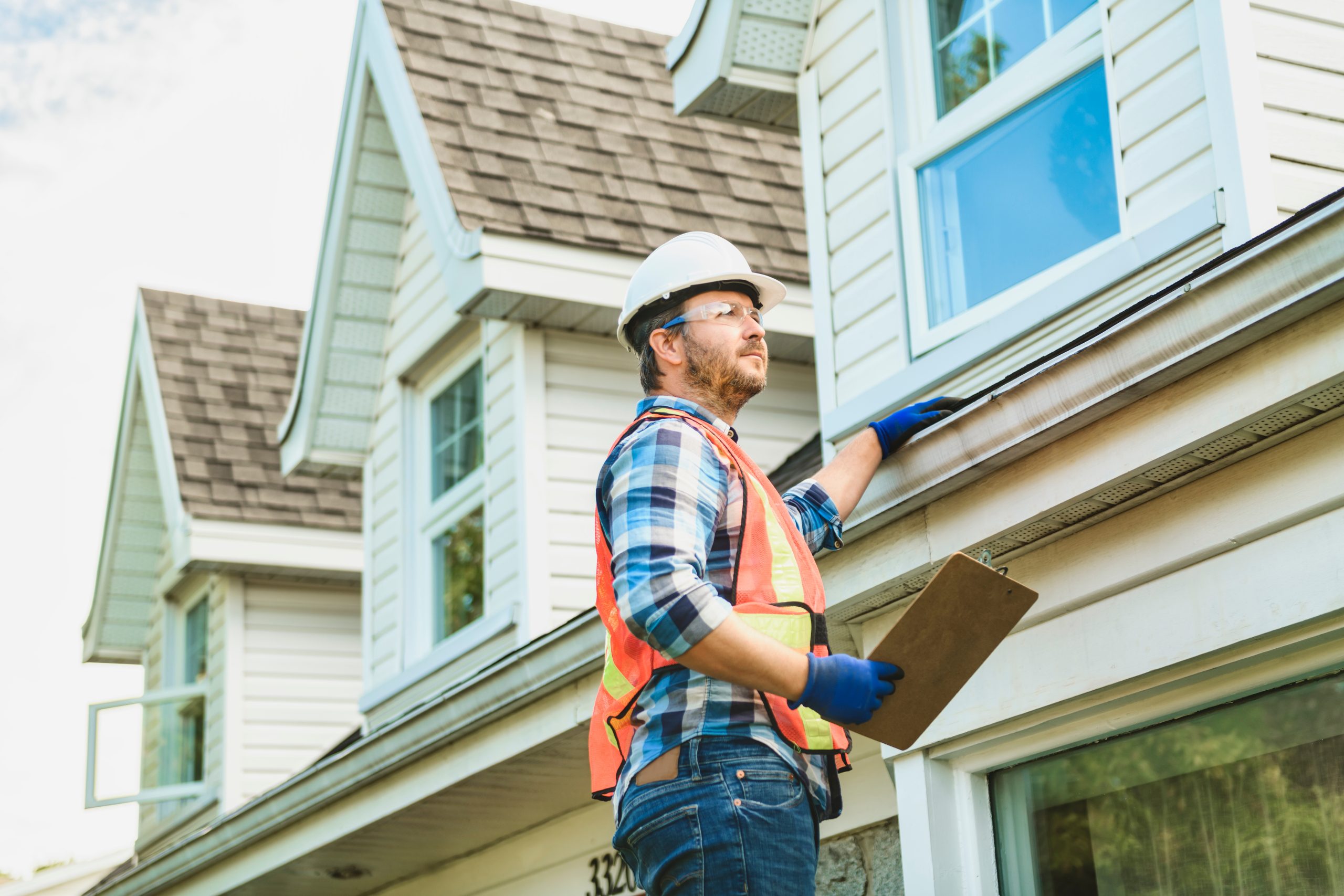
While there’s a lot you can do yourself, nothing beats the trained eye of a roofing professional. A pro can spot hidden issues, recommend tailored solutions, and provide the peace of mind that your roof is ready to withstand whatever comes next.
When Should You Inspect Your Roof?
The optimal times to inspect your roof are during the spring and fall. Spring inspections allow you to identify and address damage caused by winter storms, such as ice dams, heavy snow, or freezing temperatures that may have compromised shingles, flashing, or gutters. These inspections prepare your roof for the warmer months, ensuring it can handle summer’s heat and occasional storms.
Fall roof inspections, on the other hand, are crucial for preparing your home for the challenges of winter. Colder weather brings snow, ice, and freezing rain, which can exploit weak points in your roof. Addressing issues like loose shingles, damaged flashing, or clogged gutters in the fall can prevent costly water damage and improve your home’s energy efficiency by minimizing heat loss.
In addition to seasonal inspections, it’s essential to check your roof after major weather events such as hailstorms, heavy winds, or torrential rain. Even if the damage isn’t immediately visible, these events can create vulnerabilities, like loosened shingles or small leaks, that worsen over time.
By scheduling inspections regularly and after severe weather, you can stay ahead of problems, extend your roof’s lifespan, and protect your home from unexpected repairs.
The Long-Term Benefits of Regular Roof Inspections: Protect Your Home for Years to Come
Regular roof inspections are a valuable investment in your home’s future. By addressing minor issues such as cracked shingles or loose flashing early, you can prevent them from escalating into costly emergency repairs. A well-maintained roof also enhances energy efficiency by preventing heat loss in winter and excessive heat gain in summer, reducing energy bills and minimizing your environmental footprint.
Think of roof inspections as part of your home’s regular care routine, much like an annual health checkup. Early detection is essential for maintaining your roof’s condition, as neglecting minor problems can lead to leaks, structural damage, or mold. These issues are more stressful and expensive to resolve over time.
A properly maintained roof adds to your home’s curb appeal and resale value. Buyers view a well-kept roof as a sign of overall property care, giving you an advantage in the housing market.
Partnering with a trusted professional, such as Moran Roofing, ensures that potential issues are thoroughly identified and addressed. Experienced roofers can spot problems that may go unnoticed, helping to keep your home safe, energy-efficient, and visually appealing for years to come.
Moran Roofing – Trusted Bay Area Roofing Experts.
For inspections, repairs, and more, call us at (925) 454-9200 or visit @moranroofing5thgen on Instagram for more updates!