- Roof installation matters because even the best materials can fail early if flashing, fastening, ventilation, or drainage are installed poorly.
- Proper installation helps the full roof system work together to keep water out, manage airflow, and protect the home.
- For Bay Area homeowners, skilled installation can help prevent leaks, moisture damage, premature wear, and costly repairs.
Why Does Proper Roof Installation Matter?
Proper roof installation matters because every layer of the roofing system has to work together to keep water out, manage airflow, and protect the home over time.
A roof is more than the visible surface. The shingles, tiles, or panels are important, but they depend on the layers and details beneath them. Underlayment, flashing, fasteners, ventilation, drainage, roof decking, and edge details all affect how the roof performs.
This is why two roofs can use similar materials and age very differently. One may last for decades with routine maintenance. The other may develop leaks, moisture problems, or premature wear because the installation wasn’t handled carefully.
The International Residential Code states that roof assemblies should be installed according to the code and approved manufacturer instructions, which reinforces how closely installation quality is tied to roof performance and moisture protection.
The material you choose matters, but the way it’s installed often determines how long it actually performs.
What Does Quality Roof Installation Look Like?
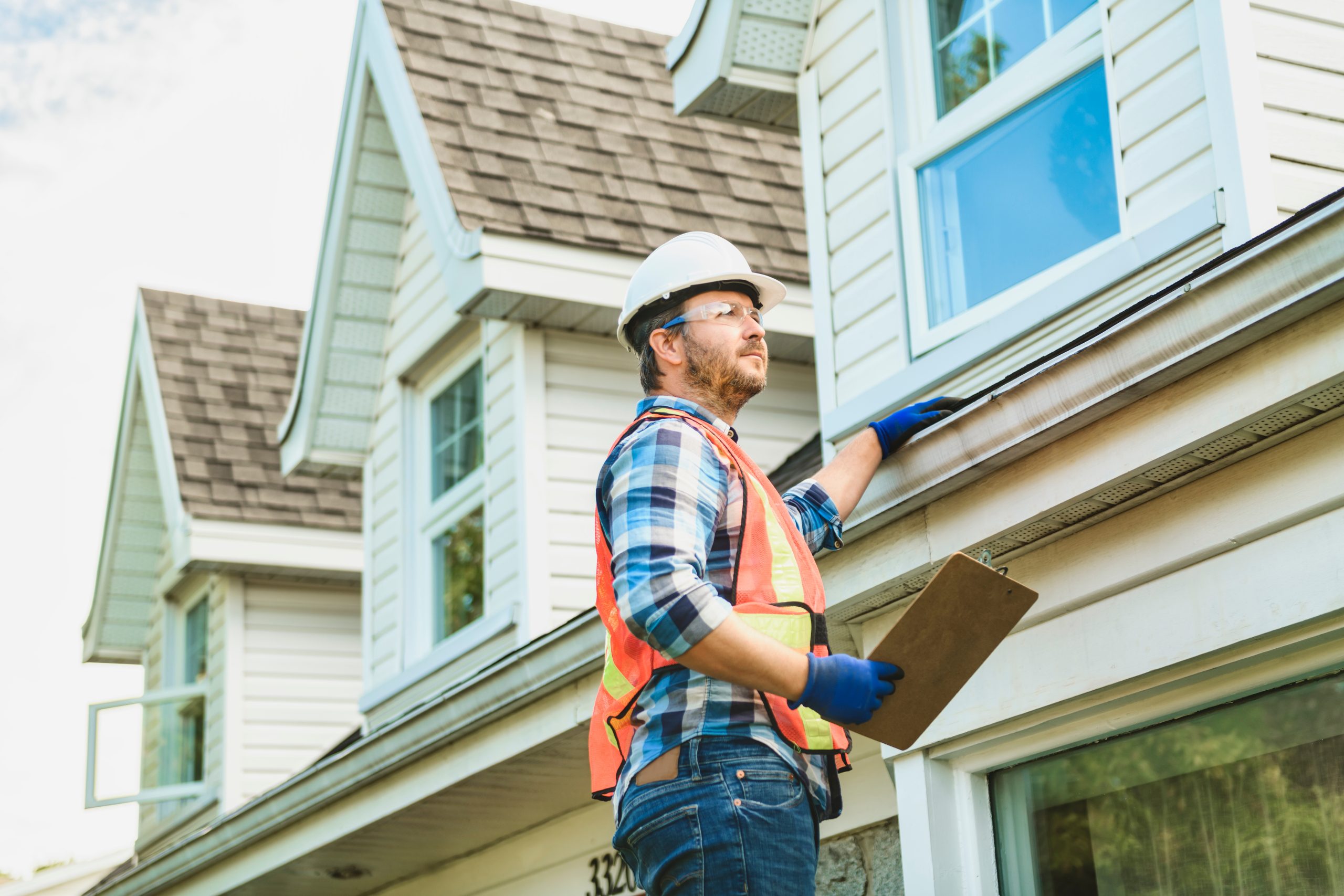
A quality roof installation includes proper preparation, deck inspection, underlayment, flashing, fastening, ventilation, drainage, and a final review of the finished system.
The process usually starts with removing old materials so the roof deck can be inspected. This step matters because damaged or soft wood should be addressed before new roofing materials go on. Installing a new roof over hidden problems can shorten the life of the entire system.
A careful installation may include:
- Removing old roofing materials when needed.
- Inspecting the roof deck for soft spots, dry rot, or damage.
- Replacing damaged wood before new materials are installed.
- Installing underlayment correctly.
- Adding flashing around chimneys, skylights, vents, valleys, walls, and roof edges.
- Using the correct fastening pattern for the roofing material.
- Checking ventilation and drainage.
- Cleaning the job site and reviewing the finished roof.
Why Manufacturer Certifications Matter
Manufacturer certifications matter because they show that a roofing contractor has completed specific training and understands product-specific installation requirements.
Different roofing materials have different ratings and requirements. Fastener placement, underlayment, flashing details, ventilation, slope requirements, and installation methods can vary by product. Manufacturer certifications help show that a roofer has been trained to work with certain systems and follow the guidelines behind them.
Certification can also affect warranty options. Some enhanced warranty programs may require installation by a manufacturer-certified contractor, which gives homeowners more confidence that the roof was installed according to the product’s standards.
Certification shouldn’t be the only factor homeowners consider. Licensing, insurance, experience, local reputation, communication, and the quality of the inspection also matter. But manufacturer certification is a helpful signal that the contractor takes training, standards, and product knowledge seriously.
How Craftsmanship Affects Roof Performance
Craftsmanship affects roof performance because small installation details often determine whether a roof stays watertight and durable over time.
This is especially true around the areas homeowners rarely notice. Chimneys, skylights, vents, valleys, roof edges, pipe boots, and wall transitions are all places where water needs to be directed carefully. If flashing is poorly layered, sealant is overused, materials are cut carelessly, or drainage paths are not respected, leaks may develop later.
Good craftsmanship also affects appearance. Clean lines, proper alignment, secure edges, and careful detailing all help the finished roof look polished. But the bigger value is performance. A carefully installed roof helps water move off the home the way it should.
The best roofing work is often found in the details. Homeowners may not see every fastener, flashing piece, or underlayment seam, but those details help protect the home through years of sun, wind, rain, and seasonal changes.
Why Proper Ventilation Is Part of Roof Installation
Proper ventilation is part of roof installation because attic airflow helps manage heat and moisture that can affect roof lifespan, indoor comfort, and energy performance.
Ventilation should be planned as part of the full roof system. Intake and exhaust need to work together so air can move properly through the attic. When ventilation is poor, heat can build up beneath the roof during warm weather. Moisture can also become a concern when airflow is limited.
For Bay Area homeowners, ventilation can affect both comfort and roof performance. Rooms beneath the roofline may feel warmer, cooling systems may work harder, and roofing materials may experience more stress when attic heat is not managed well.
Adding vents without understanding the system may not solve the problem. A professional roofer should evaluate intake, exhaust, insulation, roof design, and existing ventilation before recommending changes.
How Poor Installation Can Shorten Roof Life
Poor roof installation can shorten roof life by allowing leaks, moisture damage, poor airflow, material movement, and premature wear.
Some problems show up quickly. Others take time. A new roof may look fine after installation, but hidden issues can develop when flashing is wrong, fasteners are misplaced, decking damage is ignored, or ventilation is inadequate.
Common installation mistakes include poor flashing around roof penetrations, incorrect nailing or fastening, weak edge details, underlayment gaps, poor drainage planning, and failure to repair damaged wood before installing new materials.
These issues can lead to recurring leaks, dry rot, attic moisture, interior stains, warranty concerns, and early replacement. That’s why homeowners should be cautious with estimates that skip important details or focus only on the price of materials.
A lower upfront cost may not be a better value if the installation creates problems that have to be repaired later.
What Bay Area Homeowners Should Look for in a Roofing Contractor
Bay Area homeowners should look for a licensed, experienced roofing contractor who explains the installation process, checks the full roof system, and follows manufacturer requirements.
California homeowners should also understand licensing requirements. The California Attorney General notes that home improvement work valued at $500 or more generally requires a contractor licensed by the Contractors State License Board.
Before choosing a roofing contractor, look for:
- A valid contractor license and insurance.
- Experience with Bay Area homes and local weather conditions.
- Manufacturer certifications when available.
- A clear written scope of work.
- An explanation of materials, installation steps, ventilation, flashing, and drainage.
- Willingness to inspect decking, dry rot, and existing roof conditions.
- Strong reputation and workmanship history.
- Clear communication without pressure to choose based on price alone.
How Moran Roofing Builds Roofs for Long-Term Performance
Moran Roofing helps Bay Area homeowners build roofs that last by combining quality materials with careful installation, proper ventilation, flashing details, and full-system evaluation.
Our team looks beyond the surface. We inspect the roof deck, check for dry rot, evaluate flashing and drainage, review ventilation, and recommend materials that fit the home’s needs. Every roof is different, so every installation should be planned around the condition of the home, the roofing material, and the long-term performance homeowners expect.
Quality materials matter, but they need skilled installation behind them. That’s where experience, training, and craftsmanship make the difference.
If you are planning a roof replacement, Moran Roofing can help you understand your options and build a roof designed to protect your home for years.
Call Moran Roofing at 925-247-8659 or schedule a roof inspection online.