- Roof sustainability ratings measure how well your roof performs in terms of energy efficiency, durability, and environmental impact.
- Certifications like Energy Star, CRRC, and FSC help homeowners choose roofing materials that are proven to meet eco standards.
- A sustainable roof can lower energy bills, increase home value, and future-proof your property for California’s building requirements.
The Building Blocks of a Sustainable Roof
A sustainable roof does more than keep out the rain. It balances environmental impact, energy performance, and long-term durability so your home stays efficient and resilient for years to come.
The main factors that define roof sustainability include:
- Material sourcing and recyclability – Choosing roofing made from recycled or renewable materials, and that can be recycled at the end of its life, reduces waste.
- Energy efficiency – Reflective or insulating roofs help regulate indoor temperatures, lowering energy bills while reducing your home’s carbon footprint.
- Durability and lifespan – The longer a roof lasts, the fewer replacements it needs, which means less material waste and lower lifetime costs.
- Water management – Designs that improve runoff control or integrate living systems, like green roofs, help reduce strain on local stormwater systems.
- Climate suitability – A sustainable roof is matched to the local environment, whether that means cool roofs for hot summers or fire-resistant materials for high-risk zones.
Key Roof Sustainability Ratings and What They Measure
Sustainability ratings give homeowners a way to compare roofing materials and systems based on energy efficiency, durability, and environmental impact. By understanding the most common ratings, you can choose a roof that not only protects your home but also supports your long-term sustainability goals.
Energy Star Roofing Products
Besides appliances, Energy Star labels also apply to roofing materials.
To earn the rating, a roof must meet strict standards for solar reflectance, meaning it reflects more of the sun’s heat instead of absorbing it. This keeps homes cooler, lowers air conditioning costs, and helps reduce the urban heat island effect in dense areas. For Bay Area homeowners, an Energy Star–rated roof can translate into measurable energy savings during hot summers.
LEED Certification
LEED (Leadership in Energy and Environmental Design) is one of the world’s most recognized green building certifications. While it applies to entire buildings, roofing plays a major role in earning LEED points.
Cool roofs, solar integration, durable materials, and even living roofs can all contribute to a higher rating. For homeowners planning new builds or major renovations, installing a roof that meets LEED criteria can improve sustainability performance and boost resale value.
Cool Roof Rating Council (CRRC)
The Cool Roof Rating Council is a nonprofit that tests and rates roofing products based on two key factors: solar reflectance (how well the roof reflects sunlight) and thermal emittance (how well it releases absorbed heat).
These ratings help homeowners compare materials on their ability to reduce heat gain and improve indoor comfort. In the Bay Area’s sunny climate, choosing a CRRC-rated product can make a noticeable difference in cooling costs and compliance with California’s Title 24 energy standards.
Advanced Certifications
For homeowners who want to go beyond standard eco labels, advanced certifications set higher benchmarks for sustainability. Programs like the Living Building Challenge focus on regenerative design, encouraging roofs that generate clean energy, manage water, and support biodiversity.
While these certifications are less common for everyday residential projects, they highlight where the roofing industry is headed. Even if you don’t pursue them directly, looking for materials inspired by these standards can help you choose products that are healthier, more durable, and more environmentally responsible.
Eco-Friendly Roof Certifications Homeowners Should Know
Beyond performance ratings, many roofing materials also carry eco-friendly certifications that verify how they’re sourced, produced, and recycled. These labels give homeowners confidence that their roof supports sustainability not just in use, but across its entire lifecycle.
Some of the most relevant certifications include:
- FSC Certification – Wood shakes and shingles with the Forest Stewardship Council (FSC) label are sourced from responsibly managed forests, ensuring renewable practices and reduced environmental impact.
- Cradle to Cradle Certified™ – This certification looks at the full life cycle of roofing products, measuring material health, recyclability, water stewardship, and renewable energy use.
- Recycled Content Certifications – Many metal roofs and composite shingles include high percentages of recycled materials, and third-party certifications verify those claims.
- California Title 24 Compliance – While technically part of building codes, compliance with California’s energy standards ensures roofing materials meet strict reflectivity and efficiency benchmarks.
How Roof Sustainability Impacts Home Value and Resale
Buyers are increasingly looking for properties with eco-friendly features that promise long-term savings and reduced environmental impact. In competitive markets like the Bay Area, a roof with sustainability certifications can set your home apart.
Energy-efficient roofs, such as those with Energy Star or CRRC ratings, directly translate to lower cooling costs, which is a major selling point.
Durable options like metal or tile also signal less maintenance and fewer replacements, which gives buyers peace of mind about future expenses. For homes with solar integration, the ability to transfer NEM agreements or benefit from federal tax credits adds another layer of financial appeal.
Even aesthetic choices play a role. A green roof or sleek solar shingles show that the home is built with modern sustainability in mind. Together, these factors can make your property more attractive to eco-conscious buyers and potentially increase resale value.
Steps to Improve the Sustainability Rating of Your Roof
You don’t need to wait for a full roof replacement to make your home more sustainable. Whether you’re planning an upgrade or just looking for improvements, these steps can raise your roof’s sustainability rating and reduce its impact on the environment:
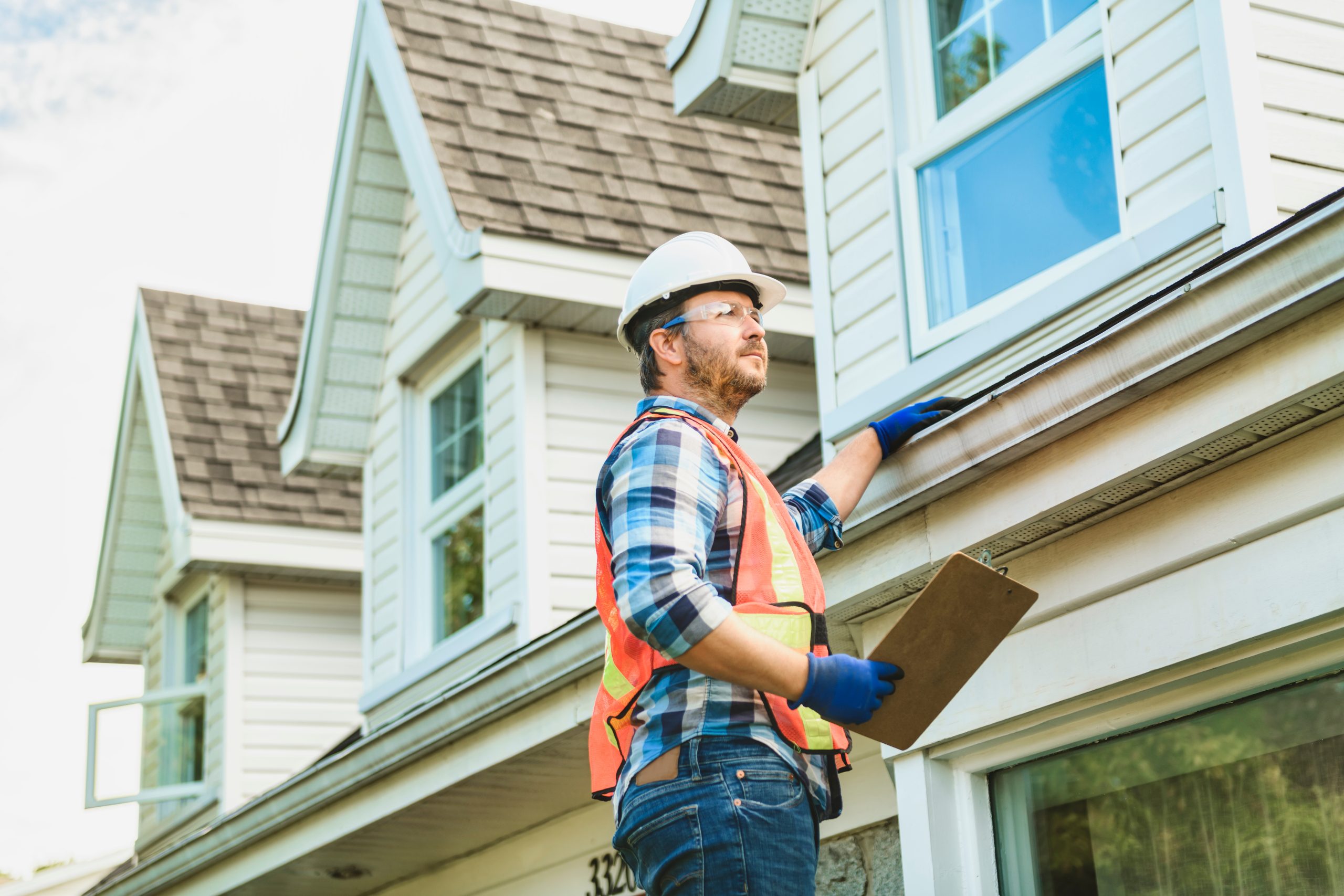
- Schedule a roof inspection – A professional can identify areas where efficiency or durability can be improved, from underlayment upgrades to ventilation adjustments.
- Choose certified materials – Look for roofing products with Energy Star, CRRC, or FSC certifications to ensure proven eco performance.
- Upgrade insulation and ventilation – Proper attic insulation and roof ventilation work hand in hand with eco-friendly roofing to reduce energy waste.
- Add reflective coatings – Elastomeric or cool roof coatings can improve solar reflectance and extend the life of existing materials.
- Consider solar or green roofing – Integrating renewable energy systems or living roofs adds the highest sustainability value while cutting long-term energy costs.
Future-Proof Your Home With a Sustainable Roof
Sustainable roofing can help you save energy, cut long-term costs, and boost your home’s value. By understanding roof sustainability ratings and certifications, you can make informed choices that benefit both your household and the environment.
The right roof materials, backed by trusted eco certifications, ensure durability, efficiency, and compliance with California standards. And with buyer demand for eco-friendly homes on the rise, investing in a sustainable roof today sets you up for stronger resale tomorrow.
Call Moran Roofing at 925-454-9200 or book an estimate online. Our team specializes in eco-friendly roofing solutions that meet the highest standards in sustainability to give you a roof designed for the future.