- Roof waterproofing materials like liquid membranes, elastomeric coatings, and underlayments add multiple layers of defense that stop leaks before they spread.
- Advanced drainage systems such as high-capacity gutters, scuppers, and gutter guards keep heavy Bay Area rains moving safely away from the roof and foundation.
- Professional roof inspections before winter identify hidden vulnerabilities, extend the lifespan of your roof, and give you peace of mind through the storm season.
Why Winter Storms Are Tough on Bay Area Roofs
Winter in the Bay Area might not bring snow, but the mix of heavy rains, gusty winds, and falling debris can put serious stress on your roof. Unlike light seasonal showers, winter storms often hit hard and fast, overwhelming older roofs or those without proper waterproofing.
When gutters and drains clog with leaves or pine needles, water backs up and seeps under shingles. Wind-driven rain can sneak into flashing around chimneys, skylights, or vents. Flat or low-slope roofs are especially vulnerable since water tends to pool instead of shedding quickly. Over time, this can lead to leaks, mold, and even structural deterioration in the roof deck.
The reality is that Bay Area storms don’t have to last long to cause lasting damage. That’s why homeowners need to think beyond basic maintenance and consider modern roof waterproofing and drainage solutions that help roofs shed water quickly and resist deterioration.
Advances in Roof Waterproofing Materials
Today’s roofs are built with more than shingles and tiles. Modern roof waterproofing materials are designed to create barriers, adapt to changing weather, and extend the lifespan of the roof structure. These innovations go far beyond tar paper or felt, giving Bay Area homeowners stronger defenses against heavy rain.
Liquid-applied membranes
Liquid-applied membranes are applied as a liquid and cure into a seamless, rubber-like layer across the roof. Unlike traditional sheets or rolls, there are no seams for water to sneak through, which makes them highly effective against wind-driven rain. Once in place, the membrane stays flexible, expanding and contracting with temperature changes to prevent cracks from forming.
Because they can cover complex shapes and penetrations, liquid-applied membranes are especially useful for Bay Area homes with flat or low-slope roofs, where ponding water is a common problem.
Elastomeric coatings
Elastomeric coatings are thick, highly elastic paints that add a protective skin to the roof surface. Their main strength is flexibility as they stretch during hot weather and contract as temperatures cool without cracking. This quality helps seal tiny gaps or hairline fractures that would otherwise let water in.
Many elastomeric coatings are also reflective, which keeps roof surfaces cooler in the summer and reduces wear over time. For Bay Area homeowners, they provide both waterproofing and an energy-saving bonus.
Self-adhering underlayments
Self-adhering underlayments are peel-and-stick sheets installed beneath shingles or tiles to serve as a secondary waterproofing layer. They bond directly to the roof deck, sealing tightly around nails and fasteners where leaks often start. This makes them especially valuable in valleys, eaves, and around penetrations like chimneys or skylights.
When heavy rain drives water past the outer roofing material, the underlayment catches it before it can reach the wood below. In storm-prone seasons, that extra line of defense can mean the difference between a dry attic and costly interior damage.
Smarter Roof Drainage Systems
Even the best waterproofing materials won’t hold up if water can’t drain off the roof properly. That’s why modern drainage systems are just as important as membranes and coatings.
From oversized gutters to upgraded internal drains, today’s designs move water more efficiently and prevent the pooling and overflow that often lead to leaks and structural damage.
High-capacity gutters and downspouts
Traditional gutters can struggle during heavy Bay Area downpours. As a result, they might back up quickly and spill water where it doesn’t belong.
High-capacity gutters and oversized downspouts can handle more volume, channeling rain away before it seeps into roof edges or foundations. These systems often feature smoother interiors and fewer joints, which reduces the risk of clogs.
When paired with proper slope and secure attachments, high-capacity gutters provide a simple but powerful upgrade that keeps homes protected when winter storms hit hardest.
Scupper and internal drains
For flat and low-slope roofs, gutters alone aren’t enough to move water. Scuppers and internal drains provide controlled exit points that keep rainwater from pooling on the surface.
Scuppers work by directing water through openings at the roof’s edge, while internal drains connect to pipes that carry water down through the building. When designed with the right slope, these systems prevent ponding, which is a common cause of leaks and structural stress on flat roofs.
Gutter guards and leaf screens
Even the most efficient gutter system fails if it’s clogged with leaves and debris. Gutter guards and leaf screens solve this by blocking debris at the top while letting water flow through. For Bay Area homes surrounded by trees, this means fewer clogs and less risk of overflow during heavy rain.
Guards also cut down on maintenance, since gutters don’t need to be cleared as often. By keeping water flowing freely, they reduce the chance of backups that can lead to leaks at the eaves or fascia boards.
How Modern Waterproofing Protects Against Long-Term Damage
Winter storms speed up the overall aging of a roof. When water consistently finds its way under shingles or pools on the surface, it weakens the roof deck, fosters mold growth, and can even compromise structural framing. Over time, these hidden issues turn into expensive repairs.
Modern waterproofing systems change the equation by creating multiple layers of defense.
Liquid-applied membranes and self-adhering underlayments stop water before it reaches vulnerable wood. Elastomeric coatings reflect heat and seal small gaps that would otherwise widen into leaks. Paired with smarter drainage systems, today’s waterproofing solutions extend the lifespan of the entire roof.
For Bay Area homeowners, this means fewer emergency leak repairs, lower long-term costs, and peace of mind knowing the roof is ready for whatever winter throws at it.
Why You Need a Professional Roof Inspection Before Winter
Even the best materials and drainage systems won’t help if existing problems go unnoticed. That’s why a professional roof inspection is one of the most important steps homeowners can take before storm season.
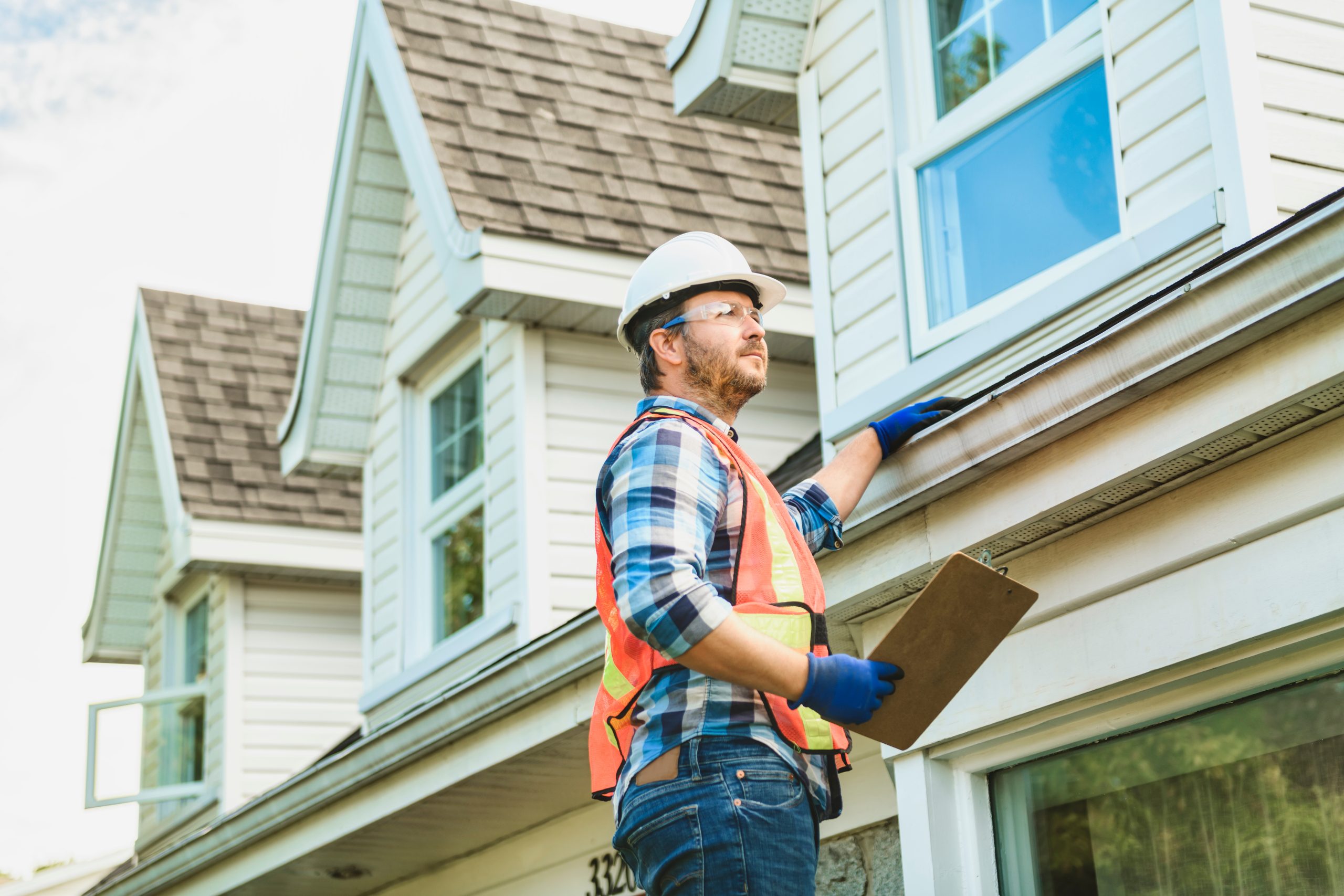
Roofers know where to look for early warning signs, like loose flashing, clogged drains, or tiny cracks in waterproofing layers that can turn into big leaks once heavy rains arrive. With advanced inspection tools like drones, moisture meters, and thermal imaging, inspectors can also spot hidden issues that aren’t visible from the ground.
Catching these problems early saves money and stress. Instead of dealing with emergency repairs mid-storm, you’ll head into winter with a clear plan and confidence that your roof is ready to handle the weather.
Roof Waterproofing That Protects Your Home All Winter
Modern waterproofing materials and smarter drainage systems give Bay Area homeowners stronger defenses against heavy rains, high winds, and costly leaks during the winter months.
The key is knowing whether your roof is ready. A professional inspection from Moran Roofing will pinpoint vulnerabilities, recommend the right upgrades, and ensure your home is protected before the next storm hits.
Call Moran Roofing at 925-454-9200 or book an estimate online. Get expert guidance and proven solutions that keep your roof strong, dry, and storm-ready all winter long.