The Bay Area’s beauty comes with a price, especially for your roof. One day it’s foggy and damp, the next it’s sunny and scorching. And don’t forget those sudden downpours or strong coastal winds that love to sneak in year-round.
That’s why having the right roof waterproofing system is essential.
Modern roofing isn’t just about shingles anymore. Today’s innovations, like liquid-applied membranes and advanced synthetic underlayments, are built to outlast the elements and protect your home from water intrusion, dry rot, and costly repairs.
In this blog, we’ll break down the next-generation roof waterproofing solutions that every Bay Area homeowner should know about and why now is the time to upgrade.
Why the Bay Area’s Weather Is a Roof’s Worst Enemy
Bay Area weather is unpredictable, and roofs feel the impact.
From dense coastal fog that traps moisture, to sudden heatwaves and wind-driven rain, local homes go through rapid temperature swings and year-round exposure to moisture. That combo can break down shingles, warp wood, and weaken your roof’s defenses fast.
Without proper roof protection in the Bay Area, small issues can turn into major leaks, dry rot, or even structural damage.
That’s why we need to talk about some roof waterproofing solutions…
Liquid-Applied Waterproofing Membranes
Liquid-applied membranes are one of the most advanced roof waterproofing solutions available today. Applied like paint and curing into a seamless, rubber-like barrier, they create a watertight seal that adapts to your roof’s shape with no seams, gaps, or weak points.
They’re especially effective for flat or low-slope roofs, where water tends to pool. These membranes expand and contract with temperature changes, which is great for the Bay Area’s shifting climate.
The key benefits of using this type of roof waterproofing solution are:
- Seamless protection (no joints or overlaps)
- UV- and weather-resistant properties
- Ability to work on metal, concrete, and other California-friendly roofing materials
- Long-lasting protection with minimal maintenance
If your home’s roof is aging or vulnerable to leaks, this next-gen solution offers durable protection without the hassle of a full replacement.
Advanced Synthetic Underlayments
Think of underlayments as your roof’s second line of defense. While shingles or tiles take the brunt of the weather, the underlayment protects what’s underneath.
Traditional felt paper is quickly being replaced by synthetic options that are stronger, lighter, and far more resistant to water intrusion. These modern materials don’t tear easily, they repel moisture more effectively, and they last longer, especially under the Bay Area’s mix of rain, wind, and sun.
People choose synthetic underlayments because they offer:
- Superior water resistance and breathability
- Tougher protection against tears, UV rays, and heavy foot traffic during installs
- Flatter surface for better adhesion and fewer installation issues
- Compatibility with steep and low-slope roofs alike
Pairing synthetic underlayments with other waterproofing solutions gives your home an edge, especially when storms roll in or temperatures swing fast.
Combining Systems for a Fully Waterproof Roof Strategy
In the Bay Area, where microclimates can change from block to block, there is no single waterproofing product that can do it all. That’s why the smartest approach is to combine systems and layer different materials and techniques to create a full-coverage shield against moisture.
A typical high-performance roof waterproofing strategy should include:
- Liquid-applied membranes for seamless coverage in valleys and tricky areas
- Advanced synthetic underlayments as a durable, breathable base layer
- Proper flashing and sealing around vents, chimneys, and skylights
- Drainage planning to direct water away from trouble spots
This multi-layered method ensures that even if one barrier is compromised, others are in place to stop leaks before they reach your home. That’s why even the best materials need to work together to handle Bay Area weather.
Real-World Examples & Use Cases
In California’s diverse climate zones, waterproofing solutions are already being put to the test and proving their value. These examples show how next-gen waterproofing is already protecting homes across California:
- Oakland & the East Bay: In hillside neighborhoods prone to driving rain and runoff, liquid-applied membranes are often used around valleys, skylights, and parapet walls to seal common leak points. Their seamless application prevents water leaks even on complex rooflines.
- Coastal Areas like Pacifica and Half Moon Bay: Advanced synthetic underlayments are replacing traditional felts thanks to their superior resistance to moisture and salt air. These materials don’t absorb water or degrade as quickly, making them ideal for foggy, salt-exposed homes near the coast.
- Historic and Custom Homes in Berkeley & San Francisco: Blending modern waterproofing layers beneath classic shingle or tile roofs is becoming standard in restoration projects. This allows for long-term protection while preserving the original look of architecturally significant homes.
- South Bay Flat Roofs: In places like San Jose, where flat and low-slope roofs are more common, liquid-applied membranes are widely used for their UV resistance and durability. They create a monolithic barrier ideal for hot, dry summers and sudden rainstorms.
Tips for Bay Area Homeowners Looking for Roof Waterproofing Solutions
If you’re considering waterproofing upgrades, here’s how to make sure your roof is ready for the Bay Area’s unpredictable weather:
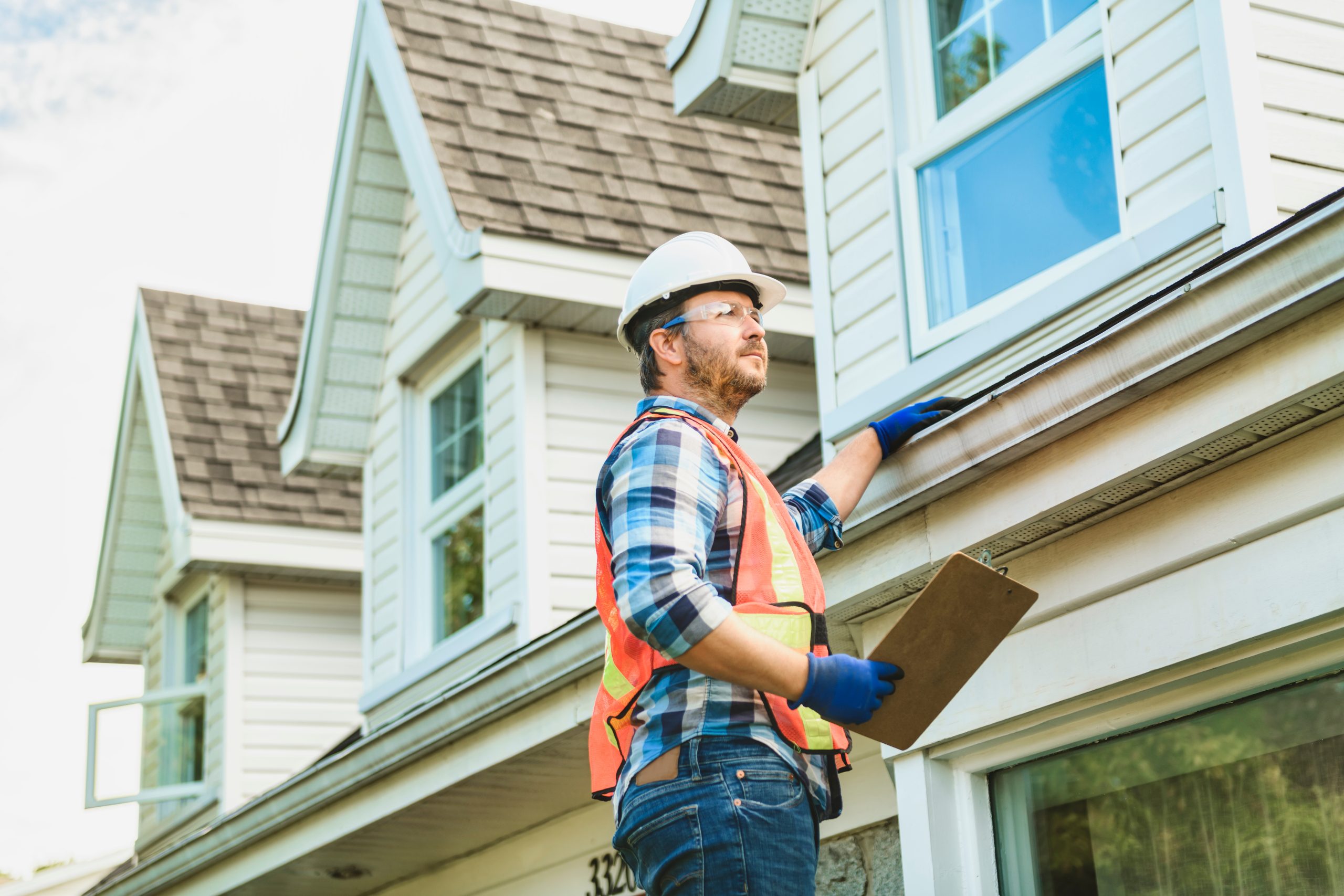
- Schedule a professional inspection before the rainy season. Catch minor issues like lifted shingles, soft spots, or clogged drainage before they become bigger problems.
- Prioritize waterproofing in vulnerable areas. Focus on valleys, low-slope sections, roof-to-wall transitions, skylights, and chimneys as these are the most leak-prone spots.
- Ask your roofer about synthetic underlayments. They’re longer-lasting, tear-resistant, and ideal for California weather compared to old-school felt paper.
- Use liquid-applied membranes for extra protection. These are perfect for sealing irregular shapes and providing a seamless, watertight layer under new or existing roofs.
- Don’t forget the flashing. Even the best waterproofing materials can fail if flashing is poorly installed or corroded. Replace or reseal around roof edges, vents, and pipes.
- Check attic ventilation and insulation. Moisture isn’t just an outside threat. Poor airflow can lead to condensation buildup inside your roof structure.
- Keep your gutters clear and sloped correctly. Overflowing or sagging gutters can send water back under your roofline. Clean them seasonally and check for proper drainage.
- Choose a licensed roofer with experience in your area. A contractor familiar with Bay Area microclimates will know what materials and systems work best for your specific conditions.
Stay Ahead of the Storm and the Sun
In the Bay Area, roof waterproofing is a long-term strategy for protecting your home from a climate that keeps you guessing.
Whether it’s dense morning fog, high winds off the coast, or an unexpected heatwave, your roof takes the brunt of it all. That’s why next-gen roof waterproofing solutions, like synthetic underlayments and liquid-applied membranes, are essential.
If your roof is aging, leaking, or simply not built to handle today’s conditions, it might be time to reinforce it with the right materials and the right team.
Call Moran Roofing at (925) 454-9200 or book your estimate online to learn more about waterproofing solutions built for the Bay.