- Roofing inspections using drone technology deliver faster, safer, and more detailed results by capturing high-resolution images of every surface without the need for ladders.
- Thermal imaging exposes hidden leaks, insulation gaps, and moisture pockets that aren’t visible to the naked eye, which helps prevent costly interior damage.
- AI-driven roofing inspection technology predicts weak spots before they fail by processing inspection data against known failure patterns. This gives homeowners proactive repair options instead of emergency fixes.
What Advancements in Roof Inspection Technology Mean for Your Home
Roof inspections have always been about finding problems before they turn into costly repairs. The difference today is that advanced inspection technology makes this process faster, safer, and far more accurate.
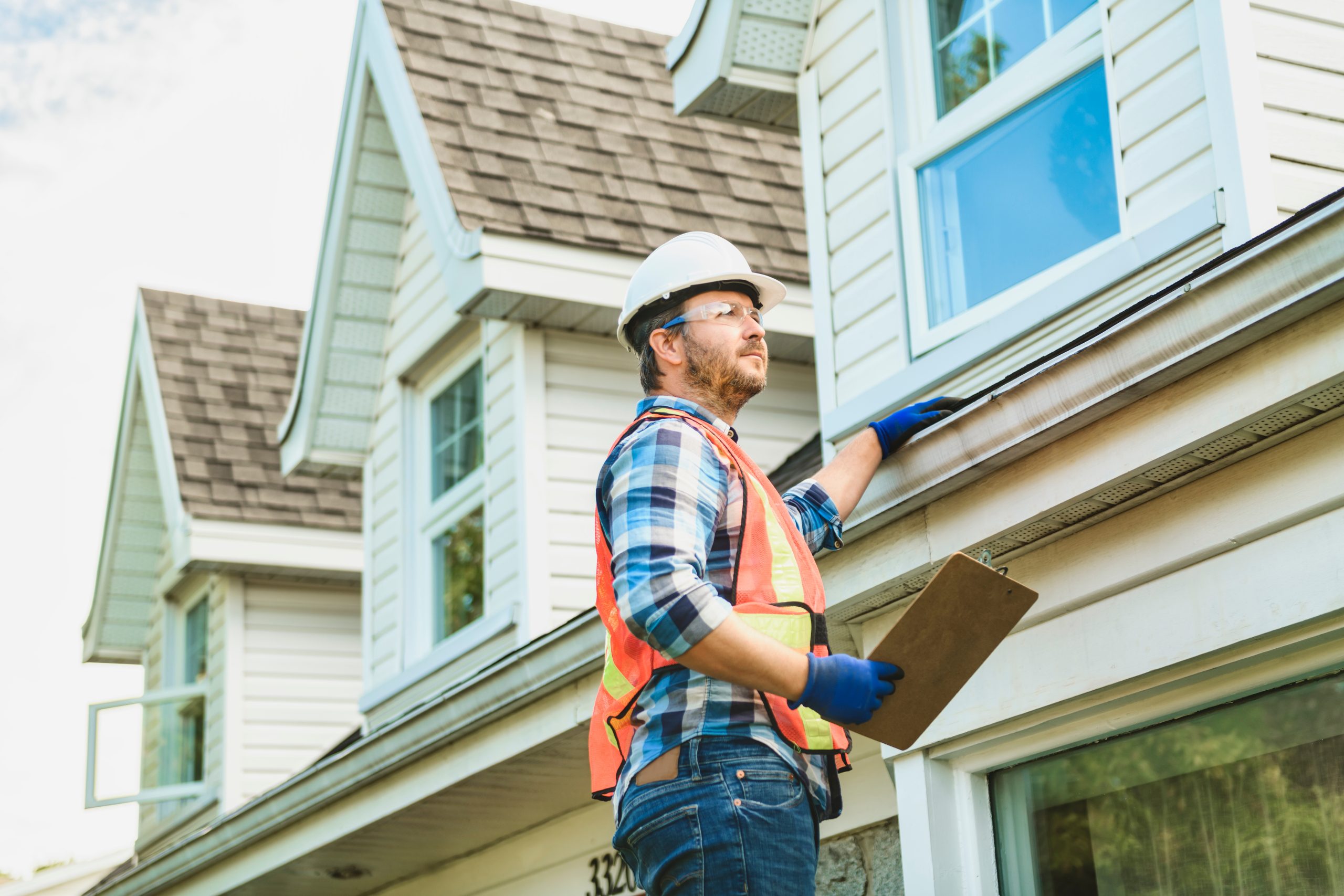
Instead of relying on ladders, binoculars, and guesswork, roofers now use drones, AI software, and thermal imaging to uncover issues invisible to the naked eye.
A drone can capture high-resolution photos of every corner of your roof without ever stepping on it. Thermal cameras can reveal hidden leaks or poor insulation by spotting temperature changes. AI systems can analyze inspection data to predict weak spots before they fail.
For homeowners, this means fewer surprises and more confidence. You get detailed reports with clear visuals, not vague descriptions. You can address small issues early, like a hairline crack in flashing or a moisture pocket under shingles, before they turn into leaks, mold, or structural damage.
Advanced inspection technology isn’t just a fancy upgrade. It’s a practical way to extend the life of your roof, lower long-term costs, and ensure your home is protected in every season.
Drone Roofing Inspections Explained
Drone technology has changed the way roofers approach inspections. Instead of climbing onto steep or fragile roofs, a licensed operator can send up a drone equipped with a high-resolution camera to capture every angle of your roof in minutes.
Drones provide a bird’s-eye view that traditional inspections often miss. They can photograph valleys, ridges, flashing, and hard-to-reach areas without risking safety or causing accidental damage from foot traffic. Many drones also record video, giving roofers the ability to zoom in and analyze details after the flight is complete.
For homeowners, the biggest advantage is clarity and accuracy. The images collected are shared with you in reports that highlight problem areas with visual proof. You’ll see cracked shingles, debris buildup, or early signs of wear, not just take someone’s word for it.
Another benefit is speed. What used to take an hour or more on ladders can now be completed in 15–20 minutes, which means inspections are easier to schedule and more affordable to perform. When combined with AI analysis, drones can even flag potential trouble spots automatically, helping roofers focus on areas that need closer attention.
Drone inspections don’t replace a roofer’s expertise, but they add a layer of precision and safety that makes routine roof care more reliable than ever.
Thermal Imaging for Detecting Hidden Problems
Not every roofing problem is visible from the outside. Leaks can start as tiny moisture pockets under shingles. Insulation gaps may cause uneven temperatures that slowly wear down your roof system.
These issues are nearly impossible to see with the naked eye, but thermal imaging makes them clear.
Thermal cameras detect temperature differences across the roof’s surface. Warm spots often signal poor insulation or trapped moisture, while cooler patches may point to active leaks or wet underlayment. By scanning the entire roof, inspectors can uncover problems before they spread into living areas, saving homeowners from costly water damage or energy loss.
For Bay Area homeowners, thermal imaging is especially valuable. Our mix of fog, morning dew, and strong sun creates conditions where moisture can hide for weeks before showing inside. A thermal scan cuts through those hidden risks and provides a data-backed picture of your roof’s health.
With early detection, your roofer can seal small leaks, replace damaged insulation, or improve attic ventilation before problems escalate into mold, rot, or high utility bills.
AI and Predictive Roofing Analysis
Artificial intelligence is bringing a new level of precision to roof inspections. Instead of just spotting today’s problems, AI can analyze inspection data to predict where tomorrow’s issues are most likely to appear.
Here’s how it works:
- Drones and thermal cameras collect massive amounts of visual and temperature data during an inspection.
- AI software processes these images, comparing them against thousands of known failure patterns.
- It can flag subtle warning signs like granule loss, nail pops, or uneven heat distribution that might slip past even an experienced roofer’s eye.
For homeowners, predictive analysis means fewer surprises. Instead of waiting until a leak appears in your ceiling, your roofer can proactively repair a vulnerable seam, replace worn flashing, or recommend maintenance before damage spreads. Over time, this approach extends the life of your roof and reduces the risk of emergency repairs.
In the Bay Area, where sudden storms, fog, and heat waves put extra stress on roofing systems, AI is especially valuable. Predictive insights help contractors tailor maintenance schedules to local conditions and give homeowners a clear roadmap for protecting their investment.
By combining drones, thermal imaging, and AI, roof inspections have moved beyond reactive checkups. They’re now a proactive tool that keeps your home safer, your roof stronger, and your repair bills lower.
Combining Technology with Expert Roofers
New tools like drones, thermal cameras, and AI-powered analysis are transforming roof inspections, but technology alone isn’t enough. The real value comes when these innovations are paired with the knowledge and judgment of experienced roofers.
- A drone might capture high-resolution images of your roof, but it takes a trained professional to know whether a small crack in flashing is harmless or a sign of bigger trouble.
- Thermal scans may reveal unusual hot spots, but only an expert can interpret whether that pattern points to poor roof ventilation, water intrusion, or insulation failure.
- AI can flag potential risks, but it’s a seasoned roofer who decides what to fix, what to monitor, and how to prioritize repairs within your budget.
For Bay Area homeowners, this balance matters. Our roofs deal with unique conditions that software alone can’t fully account for. That’s why the most reliable inspections come from combining cutting-edge tools with local expertise.
At Moran Roofing, we see technology as an enhancement, not a replacement. By pairing advanced inspection methods with five generations of roofing experience, we give homeowners not just data, but practical solutions that keep roofs performing at their best.
Protect Your Roof with Advanced Inspection Technology
Your roof is one of the most important investments in your home, and keeping it healthy requires more than a quick glance from the ground. With today’s advanced inspection technology, small cracks, hidden leaks, and weak spots can be identified early, before they turn into expensive repairs.
At Moran Roofing, we support the use of cutting-edge tools like drones, thermal imaging, and AI analysis with proven roofing expertise. This means you get the best of both worlds — detailed data and local knowledge that translates into practical solutions.
Don’t wait for a leak to tell you it’s time. Stay ahead of problems and give your home the protection it deserves.
Call us at 925-454-9200 or book your roof inspection online.