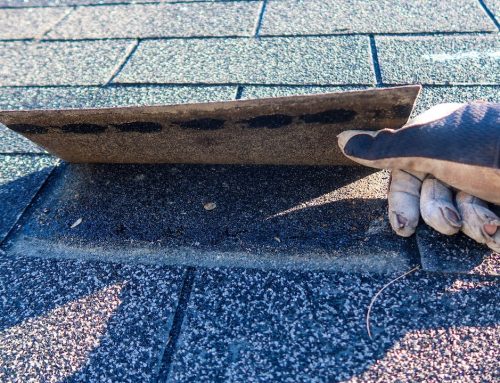
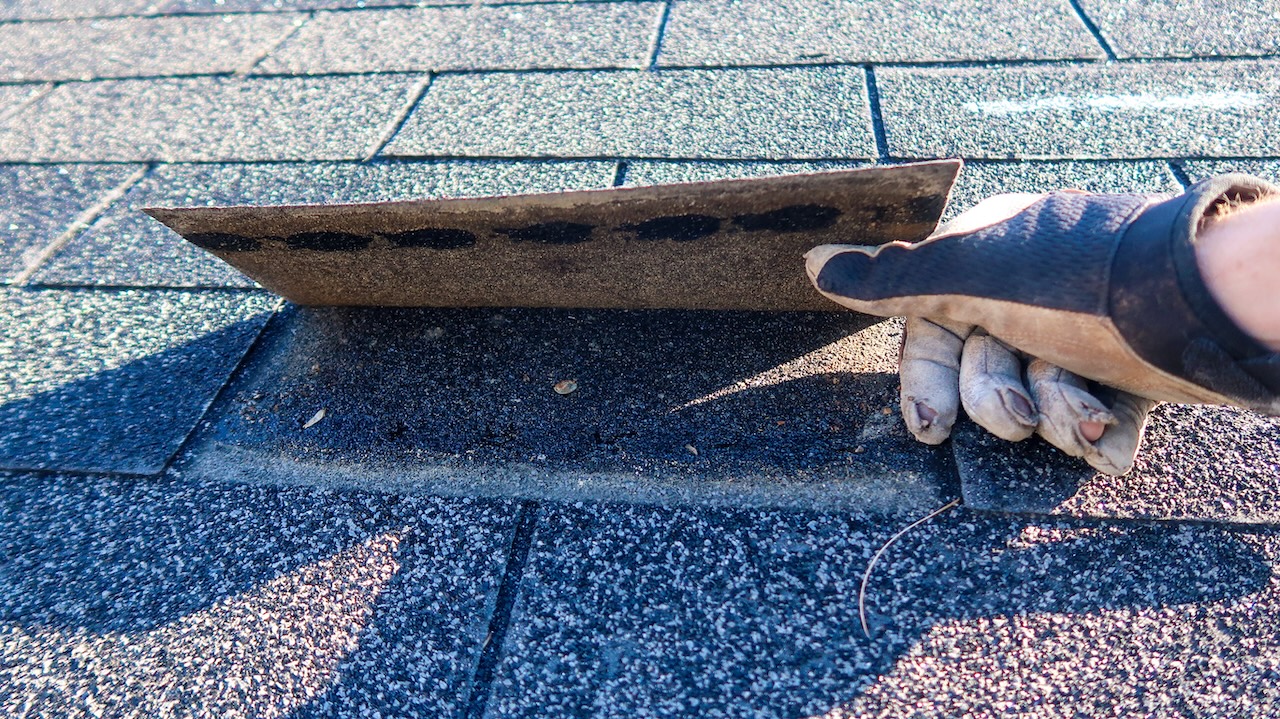
- Inspect roof valleys closely, as they handle the most rain runoff and are the first to clog with leaves, which can lead to leaks and water damage.
- Clear out gutters and trim overhanging branches to prevent buildup and moisture retention as Bay Area trees begin shedding their leaves early.
- Check flashing, shingles, and attic areas for early signs of wear, mold, or leaks to complete September roof maintenance before fall fog and storms cause bigger problems.
What Makes Roof Valleys Vulnerable in the Fall
Roof valleys are one of the most leak-prone areas on your roof and September is the perfect time to give them a close look before the rainy season starts in October.
Because valleys handle the highest volume of water during rain, any weakness, like cracked flashing, missing shingles, or debris buildup, can quickly lead to leaks, rot, and interior damage. As leaves start falling in early autumn, they tend to collect in these channels, blocking water flow and trapping moisture against the roof surface.
In the Bay Area, that early fall mix of fog, morning dew, and debris can quietly start wearing down your valleys before you even notice a problem. That’s why roof valley inspections are a critical part of smart September roof maintenance, especially for older roofs or homes surrounded by trees.
Signs Your Roof Valleys Might Need Attention
Some roofing issues are hard to spot, but not problems with your valleys. When something’s wrong, the signs usually show up fast. Look for these during your September roof maintenance:
- Discoloration or staining along the valley lines, often caused by trapped moisture or slow drainage
- Debris buildup, like leaves, twigs, or moss, that restricts water flow and accelerates wear
- Shingle curling, cracking, or loss near the valley, exposing the underlayment to the elements
- Rust or damage to flashing, especially at the seams where water tends to collect
- Water spots on ceilings or walls inside your home that align with valley lines on your roof
- Visible sagging or dips in the valley area, which can trap standing water and cause leaks
September Roof Maintenance Checklist for Bay Area Homes
Your roof is your home’s first line of defense against fall weather. Use this checklist to prep your roof before the rain, leaves, and moisture start causing problems.
1. Check Gutters and Downspouts
Clogged gutters and downspouts are one of the top causes of roof leaks in early fall. In the Bay Area, leaves from redwoods, oaks, and eucalyptus trees can build up fast, especially during September when trees start shedding early.
Clear out leaves, twigs, and debris to prevent water from backing up and seeping under shingles or into the fascia. Make sure downspouts are securely attached and draining at least three feet away from your home’s foundation. A splash block or gutter extension can help direct water flow and reduce erosion.
2. Look for Loose or Damaged Shingles
High summer heat followed by cool, damp mornings can cause shingles to expand, contract, and loosen, especially on older roofs. From the ground, look for shingles that are curling, cracked, buckled, or missing altogether.
Focus on vulnerable areas like roof valleys, ridgelines, and edges where wind and water tend to hit hardest. If you spot damage, don’t wait to start September roof maintenance. Replacing a few shingles now can prevent much more expensive repairs later in the rainy season.
3. Inspect Flashing and Sealants
Flashing is the thin metal strip that seals roof joints and penetrations, such as around chimneys, skylights, vents, and valleys. In Bay Area homes, flashing is often the first point of failure after dry summer months, followed by sudden moisture.
Check for rust, lifted edges, or deteriorated caulking. Pay close attention to any gaps or dried-out sealant that could let water sneak in. Re-seal small cracks with roofing caulk, or call a professional if you notice rusted or shifted flashing that may need replacing.
4. Trim Overhanging Tree Branches
September is the ideal time to trim back trees before heavy winds or rains hit. In the Bay Area, overhanging branches from eucalyptus, pine, or oak trees can scrape shingles, clog gutters, or even fall and cause damage during storms.
Cut back any limbs that touch or hang close to the roof. This not only protects your shingles, but also reduces leaf and debris buildup in valleys and gutters. Keep at least a 5–10 foot clearance between your roof and nearby trees when possible.
5. Check for Moss, Algae, or Stains
Moss, algae, and dark stains thrive in the Bay Area’s cooler microclimates, especially in shaded spots that stay damp from fog and morning dew. If left unchecked, they can break down roofing materials and trap moisture against the surface.
Look for green patches, black streaks, or signs of mold along shaded valleys or north-facing slopes. Gently remove small patches with a soft-bristle brush or call a pro for deeper buildup. Avoid pressure washing, which can damage shingles and void warranties.
6. Look Inside Your Attic
A quick attic September roof maintenance check can reveal problems your roof’s exterior might hide. Use a flashlight to inspect the underside of the roof deck for water stains, mold, or musty smells, which are early signs of a leak or poor attic ventilation.
Focus on areas near chimneys, vents, and valleys. If you see daylight coming through the roof boards or feel dampness in the attic insulation, it’s time to call a roofing professional before moisture causes more serious structural issues.
7. Schedule a Professional Roof Inspection
Even if everything looks fine from the ground, a licensed roofer can spot issues the untrained eye might miss, especially in hard-to-see areas like roof valleys, flashing joints, and underlayment edges.
September is one of the best times to book an inspection in the Bay Area. It’s early enough to catch problems before the rainy season, yet past the peak summer rush. A pro can assess your shingles, check for soft spots, inspect flashing, and make minor repairs before they become major leaks.
Consider setting up annual roof inspections every fall. It’s a small step that can extend your roof’s lifespan and prevent costly emergency repairs down the road.
Why Professional Inspections Are Worth It
Climbing up on your roof with a flashlight and a ladder might seem like a good DIY solution, but even the most diligent homeowner can miss hidden signs of trouble.
Professional roof inspections go beyond surface-level checks. A trained roofer knows exactly where to look for early signs of leaks, rot, storm damage, or wear, especially in high-risk areas like roof valleys, flashing seams, and underlayment edges. They also know what issues are urgent, what can wait, and how to prioritize small fixes that prevent expensive damage later.
In the Bay Area, where our climate shifts quickly from hot and dry to wet and foggy, catching potential issues early is critical. A professional inspection gives you peace of mind and can save you thousands by avoiding emergency repairs or premature replacements.
Plus, many roofing warranties require regular inspections to stay valid. Skipping them could cost you more than just a missed leak.
Get Ahead of Problems with September Roof Maintenance
September roof maintenance isn’t just a nice-to-have in the Bay Area. It’s your first line of defense before the rainy season hits. Valleys, gutters, shingles, and flashing all take a beating during the fall, and small issues now can become major leaks later.
If your roof hasn’t been inspected recently or you’ve noticed signs of wear, don’t wait.
Call Moran Roofing at 925-454-9200 or schedule your September roof maintenance online.
We’re experienced roofers serving the Tri-Valley area with honest work, detailed inspections, and expert repairs that stand the test of time.