Should You Repair Or Replace an Old Roof?
- Repair may be enough if your roof is still under 15 years old and you’re facing a minor problem. For example, a few missing shingles after a windstorm.
- Replacement is the better choice when your roof is aging, leaks keep coming back, or you see widespread shingle damage that repairs won’t solve.
- A professional inspection helps you decide whether to repair or replace an old roof by giving you a clear picture of its condition and costs.
How Long Do Roofs Typically Last?
Every roof has a natural lifespan, but how long it lasts depends on the material, installation quality, and the weather it’s exposed to year after year.
- Asphalt shingles: The most common roofing material, asphalt shingles generally last 18–25 years. In the Bay Area’s mix of sun, wind, and rain, they often land on the shorter end of that range.
- Clay and concrete tiles: Extremely durable, often lasting 40–50 years or more, but they still rely on underlayment that usually needs replacement after about 20 years.
- Metal roofs: Lightweight, reflective, and highly durable, with lifespans of 40–70 years depending on the type of metal and coating.
- Wood shakes and shingles: Classic in look, but more vulnerable to fire, rot, and weather. They usually last 20–30 years with proper maintenance.
Keep in mind that the climate plays a big role. In Northern California, strong sun exposure, seasonal rains, and even wildfire smoke can speed up wear on shingles and underlayment. A roof that might last 25 years in a mild climate could need replacing after 18–20 years here.
Check your home records or ask your roofing contractor when your current roof was installed. If you’re unsure, a professional inspection can usually estimate the roof’s age and condition based on visible wear.
Signs Roof Repair May Be Enough
Not every roofing issue means you need a full replacement. In many cases, a targeted repair can solve the problem and extend the life of your roof.
- Localized damage: A few missing or cracked shingles, especially after a windstorm, can usually be replaced without affecting the rest of the roof.
- Minor leaks: If water intrusion is limited to one area, resealing flashing or replacing underlayment might fix the issue.
- Flashing problems: Damage around chimneys, skylights, or vents often looks worse than it is and can be corrected with new flashing.
- Gutter or drainage issues: Sometimes what looks like a roof leak is really clogged gutters or standing water that needs redirection.
- Healthy overall condition: If your roof is under 15 years old and otherwise in good shape, repairs can often keep it performing well for years.
After a storm or if you notice a small leak, call for a professional inspection instead of assuming the worst. A roofer can confirm whether the damage is localized and provide a cost-effective repair plan.
Signs It’s Time to Replace the Whole Roof
At some point, patching and quick fixes stop making sense. If your roof shows widespread wear or has simply aged out of its lifespan, replacement is often the safer and more cost-effective option.
- Your roof is past its prime. Asphalt shingles typically last 18–25 years in the Bay Area. If yours is approaching or past that window, even minor issues may signal bigger problems underneath.
- Widespread shingle damage. Curling, cracking, or bald shingles across large sections of your roof mean the material is breaking down beyond repair.
- Frequent leaks and water stains. If you’re dealing with new leaks every rainy season, replacement is usually cheaper in the long run than paying for constant patch jobs.
- Sagging roof deck. A drooping or uneven roofline often points to structural issues that can’t be fixed with surface repairs.
- Energy efficiency problems. Old roofs without modern materials or proper ventilation make your home hotter in summer and harder to heat in winter.
- Rising repair costs. If repairs are stacking up to the point where you’ve spent thousands in a few years, investing in a new roof provides a permanent solution.
If your roof is nearing the end of its lifespan and shows two or more of these warning signs, replacement is usually the smarter move. A professional inspection can confirm whether your roof can hold on for a few more years or if it’s time to start fresh.
How Much Does it Cost to Repair or Replace an Old Roof?
For most homeowners, the decision between repair and replacement comes down to cost. While prices vary by roof size, material, and local labor rates, here’s a realistic breakdown of what to expect.
Roof repairs:
- Minor fixes (like replacing a few shingles, resealing flashing, or patching a small leak) typically range from $300–$1,000.
- Moderate repairs (larger leaks, partial shingle replacement, or fixing ventilation issues) can run $1,000–$3,000.
- Repairs are a good value when your roof is relatively young and the issue is isolated.
Roof replacement:
- A full roof replacement usually costs $12,000–$25,000+, depending on the size of your home, the roofing material you choose, and whether old roofing needs to be removed.
- Asphalt shingles are the most affordable, while tile and metal roofs cost more up front but last decades longer.
- Replacement also gives you the chance to upgrade roof ventilation, underlayment, and insulation for better energy efficiency.
Frequent repairs can add up quickly. If you’ve already spent several thousand dollars in the past few years, replacement may be more cost-effective in the long run. A new roof also boosts home resale value and can lower insurance costs if you switch to a fire-resistant or impact-resistant material.
That’s why you need to think beyond the immediate price tag. Repairs may be the right choice for short-term fixes, but if your roof is near the end of its lifespan, replacement is usually the smarter financial move.
Why You Should Get a Professional Roof Inspection
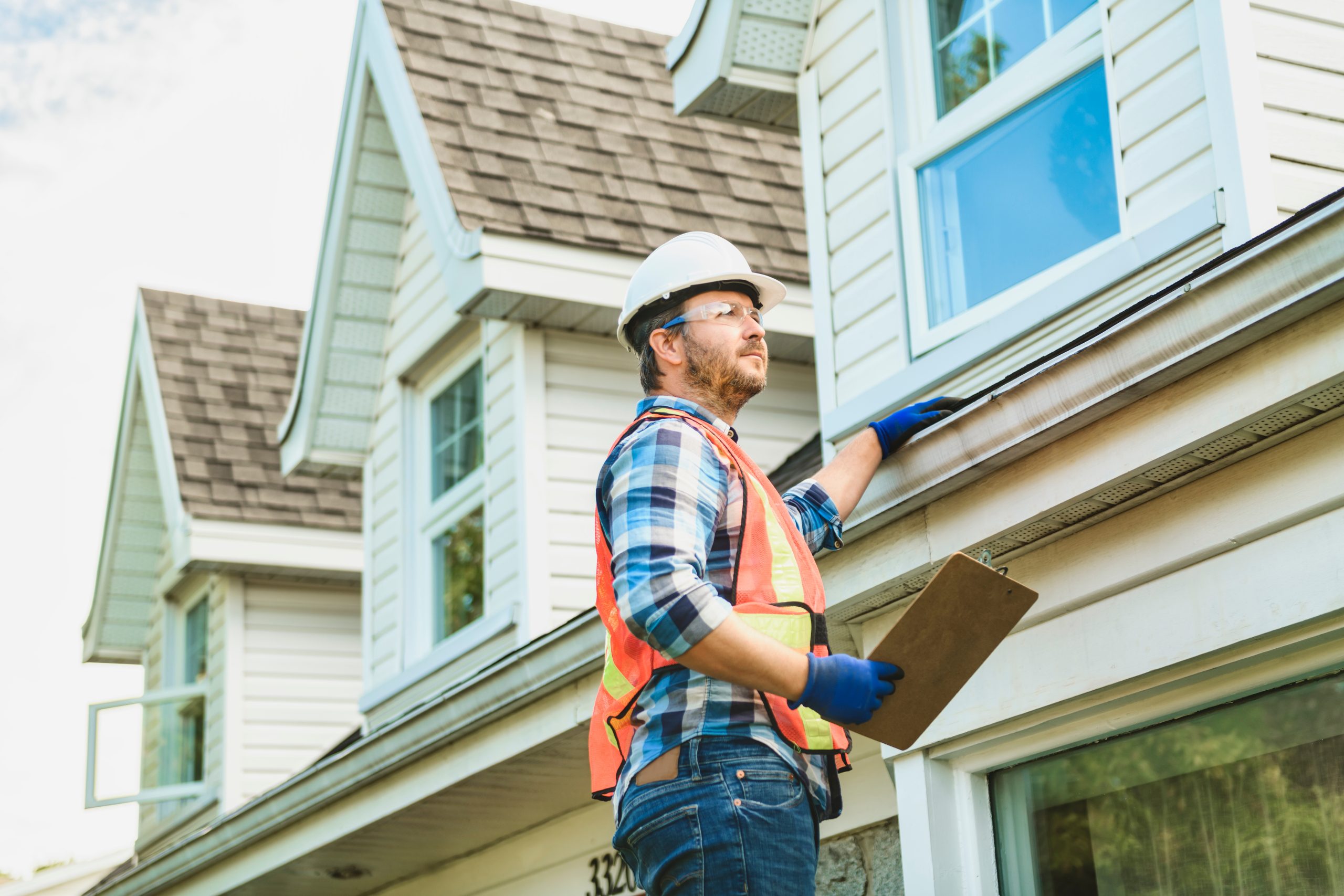
When you’re trying to decide whether to repair or replace an old roof, nothing beats an expert eye. A professional roof inspection can uncover issues that aren’t obvious from the ground and help you avoid costly surprises.
- Hidden problems: Small leaks, damaged underlayment, or ventilation issues often go unnoticed until they cause interior damage. Inspectors know where to look and can spot trouble early.
- Accurate assessment: Roofers can separate minor cosmetic wear from structural problems that require replacement. That saves you from investing in unnecessary work or ignoring an issue that will get worse.
- Advanced tools: Many roofing companies now use drones, thermal imaging, and AI analysis to detect weak spots, moisture buildup, and insulation gaps. These advanced inspection technologies provide a level of detail homeowners can’t get on their own.
- Safety first: Climbing onto your roof is risky. Trained inspectors have the right equipment to check every inch without damaging shingles or putting themselves in danger.
Schedule inspections every couple of years, and especially if your roof is over 15 years old or after major storms. An inspection gives you clarity, helps you budget for repairs or replacement, and extends the lifespan of your roof.
The Smart Next Step for Your Roof
Whether you repair or replace an old roof depends on age, condition, and cost. Small leaks or localized damage can often be fixed, but once your roof shows widespread wear, sagging, or repeated leaks, replacement is the safer and more cost-effective choice.
The good news is you don’t have to make the decision alone. A professional inspection from Moran Roofing will give you clear answers and an expert plan, so you can protect your home without second-guessing.
Call Moran Roofing at (925) 454-9200 or book an estimate online today. Our team has the experience, tools, and local expertise to help you decide if repair or replacement is the right move for your roof.