The roofing world is changing fast and 2025 is shaping up to be a big year. With climate shifts, rising energy costs, and rapid tech innovation, homeowners are rethinking what goes over their heads. Traditional materials and outdated systems just aren’t cutting it anymore.
Instead, we’re seeing a surge in smarter, tougher, and more sustainable options. From sleek metal finishes to solar-ready surfaces and climate-resilient designs, roofing is becoming more than just protection.
In this post, we’ll break down the top roofing trends in 2025, what’s driving them, and how they’re helping Bay Area homes stay strong, efficient, and future-ready.
Metal Roofing Continues to Rise in Popularity
Metal roofing is no longer a niche choice, it’s quickly becoming one of top roofing trends in 2025. Today, metal roofs cover approximately 18% of U.S. residential homes, which is a significant jump from just 3% in 1998. And the momentum is still building as the market is expected to grow by another 19% through 2028, fueled by demand for long-lasting, eco-friendly materials.
So, why are more homeowners making the switch?
Metal roofs offer unbeatable durability as they can resist wind, rain, fire, and hail far better than traditional asphalt shingles. They also reflect sunlight, which can help reduce cooling costs during increasingly hot summers.
With design options that mimic everything from slate to wood shakes, metal roofs make it easy to combine performance with modern curb appeal. For homeowners who want long-term peace of mind and a sleek look, metal is quickly becoming the roof of choice.
Synthetic Roofing Materials Are Getting Smarter
Traditional materials like wood, slate, and clay may look great, but they come with heavy weight, high cost, and maintenance headaches.
Today’s synthetic shingles and tiles are engineered to mimic the appearance of premium materials while outperforming them in durability and weather resistance. Many are made from recycled polymers or rubber composites, making them eco-friendly without compromising strength. They’re also UV-resistant, lightweight, and easier to install.
Some newer products even come with built-in cooling technology or Class 4 impact ratings, which provides storm and heat protection in one sleek package. And because they can be manufactured in consistent colors and patterns, they offer greater aesthetic flexibility with fewer installation issues.
In 2025, synthetic roofing isn’t just a cost-effective alternative. It’s a high-tech upgrade for homeowners who want beauty, efficiency, and long-term performance in one roof.
Solar-Ready Roof Designs Are Becoming Standard
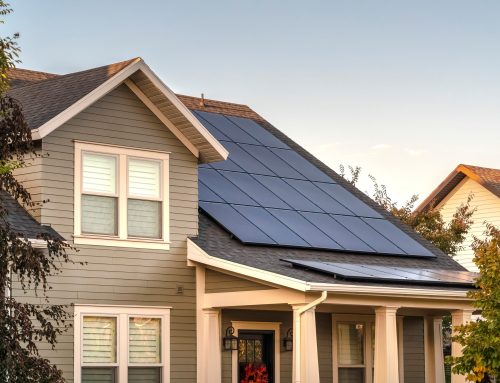
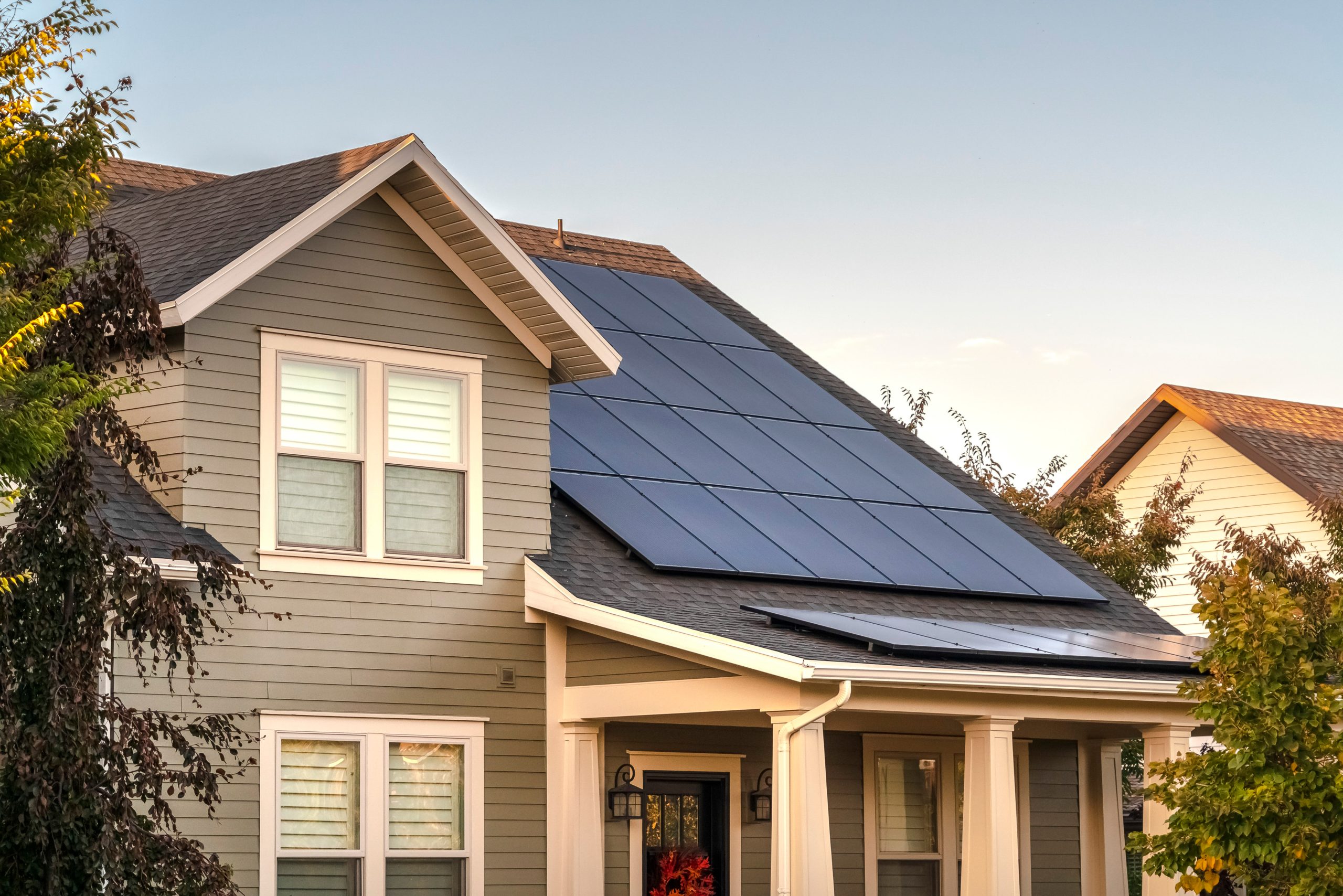
As solar adoption continues to grow across California, roofing trends in 2025 are shifting to support it. Homeowners aren’t just asking if their roof can support solar panels, they’re expecting that it will.
That’s why solar-ready roof designs are becoming the new standard. These roofs are built with layout, orientation, and load-bearing capacity in mind to make solar installation easier, safer, and more efficient. Some systems even feature integrated flashing or mounting points designed to streamline panel placement and reduce installation time.
What’s driving the trend? California’s ongoing push for renewable energy, combined with generous tax incentives and rising energy costs. Even for homeowners who aren’t ready to install panels today, having a solar-ready roof protects their future options and increases home value in the process.
If you’re planning a re-roof or new build in 2025, a solar-friendly design is a smart, future-proof choice.
Reflective and Cool Roof Technologies Are Mainstream Now
Cool roof technology is quickly becoming a standard feature in new and renovated roofing systems, especially in sun-soaked areas like the Bay Area.
These roofs are designed with high solar reflectance and thermal emittance in mind. In plain terms? They bounce sunlight away instead of absorbing it, which helps keep your home cooler and reduces the need for air conditioning. That can translate into energy savings of up to 15%, depending on your roof type and local climate.
Reflective roof coatings, solar-reflective shingles, and light-colored tile roofs are all part of this growing trend. And thanks to ENERGY STAR® standards and updated California Title 24 building codes, many cool roofing materials now come with built-in compliance and performance certifications.
As heatwaves become more intense and frequent, expect cool roofs to continue gaining ground, not just for comfort, but as a long-term investment in energy efficiency.
AI and Smart Roofing Tech Are on the Rise
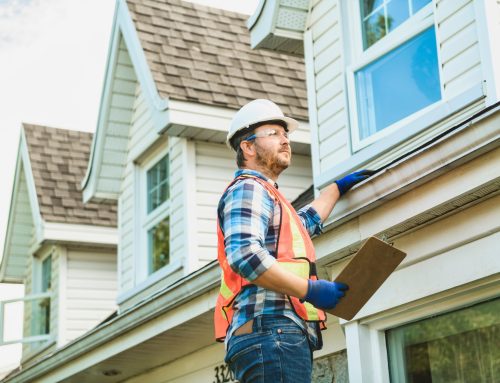
Artificial intelligence is starting to change the way roofs are inspected, maintained, and even built.
Drones equipped with AI-powered software can now scan rooftops to detect damage, leaks, or weak spots with incredible accuracy. These inspections are faster, safer, and often more thorough than traditional methods, making them a go-to for forward-thinking contractors and insurance providers.
Smart sensors are also being embedded into roofing systems to monitor moisture levels, temperature changes, and structural stress in real-time. This kind of tech alerts homeowners or contractors the moment an issue arises, before it becomes an expensive problem.
With growing demand for preventative maintenance and roofs with better energy efficiency, expect smart roofing solutions to become a major player in both residential and commercial construction by 2025 and beyond.
Focus on Storm-Resistant, Climate-Adapted Roofing Systems
As weather patterns become more extreme and unpredictable, storm-resistant roofing is a must-have. Homeowners across the US, especially in states like California, are demanding roofs that can withstand windstorms, heatwaves, torrential rains, and even wildfire risks. That’s why 2025 is seeing a surge in roofing systems designed to adapt to local climate stressors.
Impact-resistant shingles, reinforced framing techniques, and high-performance underlayments are becoming the new standard in regions prone to storms. Meanwhile, in fire-prone areas, fire-resistant metal roofing and ember-blocking ventilation upgrades are rising in popularity.
What’s driving these roofing trends in 2025? It’s a mix of stricter building codes, better technology, and homeowner demand for roofs that don’t just look good, but can take a beating and bounce back.
Sustainability and Recyclability Will Drive Choices
Homeowners are becoming more eco-conscious, and that’s reshaping the materials they choose. Recyclable shingles, sustainably sourced wood shakes, and metal roofing made from post-consumer materials are gaining traction.
Beyond the materials themselves, roofing manufacturers are adopting greener production methods, reducing VOC emissions, and cutting down on manufacturing waste. Some companies are even designing shingles with end-of-life recyclability in mind so that they don’t end up in a landfill after 30 years.
These roofing trends in 2025 are also being driven by regulations and incentives. In many areas, sustainable roofing choices can qualify for energy efficiency rebates or contribute to green building certifications like LEED. For Bay Area homeowners, sustainability is no longer a secondary benefit. It’s a top priority guiding roofing decisions.
What These Top Roofing Trends in 2025 Mean for Your Home
If there’s one thing the top roofing trends in 2025 make clear, it’s that your roof is a key part of your home’s performance, sustainability, and storm resilience.
Whether you’re drawn to the sleek look and longevity of metal, the smart features of synthetic materials, or the energy-saving benefits of reflective coatings, the options available today are smarter and more adaptable than ever before.
And in the Bay Area, where weather shifts quickly and efficiency matters, staying ahead of these trends is a smart investment.
Thinking about upgrading your roof this year? Contact us to talk about the best options for your home, your climate, and your budget. Moran Roofing can help you choose a system that’s built to last and ready for whatever 2025 throws your way.