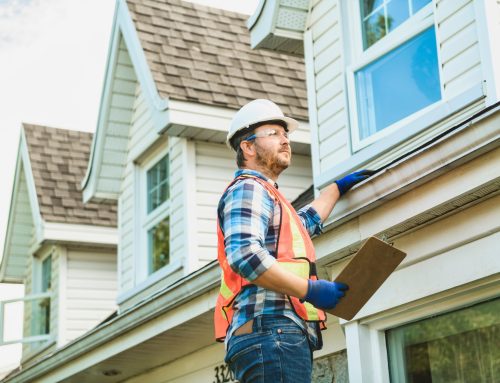
- First, contain the roof leak by placing buckets, moving belongings, and safely relieving ceiling pressure if water is pooling.
- Identify likely causes such as missing shingles, clogged gutters, or damaged flashing that let stormwater through.
- Call a roofing contractor quickly, since small leaks can spread fast and cause serious structural damage.
First Steps When You Notice a Roof Leak After a Storm
A roof leak can feel overwhelming, but acting quickly keeps the damage from spreading. Here are the first things homeowners should do:
1. Contain the Water
Place a bucket or large container under the wet spot to collect dripping water. Protect floors and furniture with towels or tarps. If water is spreading, use additional buckets to prevent damage to multiple areas.
2. Relieve Ceiling Pressure Safely
When water causes the ceiling to bulge, use a screwdriver or similar tool to puncture a small hole in the center so the water can drain in a controlled way. This prevents the ceiling from collapsing under the weight. Always stand back and have a container ready.
3. Move Belongings Out of the Way
Shift furniture, electronics, and valuables away from the leak. Even a few minutes of exposure to water can cause significant damage to wood finishes, fabrics, and electrical items.
4. Document the Damage
Take clear photos and videos of the leak, wet spots, and any belongings affected. These records can help with insurance claims and provide valuable information for your roofing contractor.
Common Causes of Storm Leaks in Bay Area Roofs
Most storm-related problems in the Bay Area come down to a few key issues. Knowing these common culprits helps you understand why the leak happened and what it takes to fix it.
- Missing or damaged shingles – High winds can lift or tear shingles, which leaves exposed patches where water seeps in.
- Clogged gutters and downspouts – When rainwater can’t flow off the roof, it backs up under shingles and into the fascia or attic.
- Faulty flashing – Areas around chimneys, skylights, and vents are common leak points if flashing is loose, cracked, or poorly sealed.
- Pooling water on flat or low-slope roofs – Standing water after heavy rain often penetrates seams or weak spots in the roof membrane.
- Aging or worn roofing materials – Shingles, underlayments, and sealants naturally break down over time, which is why older roofs are more vulnerable to storm damage.
Why You Should Call a Professional Roofing Contractor Quickly
It’s tempting to put off roof repairs after a storm, especially if the leak looks small. But waiting can turn a minor wet spot into serious structural damage. Acting quickly with a professional roofing contractor protects both your home and your wallet.
- Hidden damage spreads fast – Water that slips under shingles or flashing can rot the roof deck, damage insulation, and cause mold growth before you even notice it.
- Quick fixes don’t last – Tarps or patches might hold for a day or two, but they won’t stand up to the next storm. A contractor can repair or replace the problem area correctly.
- Insurance claims require documentation – Most insurers expect homeowners to take immediate action to prevent further damage. Having a professional inspection and repair record strengthens your claim.
- Peace of mind matters – Knowing your roof has been checked and repaired by experts means you won’t spend the next storm worrying about new leaks.
Temporary Fixes You Can Try Until Help Arrives
While nothing replaces professional repair, a few temporary measures can help limit the damage until a contractor gets to your home.
Cover the Area With a Tarp
Secure a waterproof tarp over the damaged section of the roof if it’s safe to access. Make sure the tarp extends several feet past the leak and is tightly anchored to prevent wind from lifting it. This keeps additional rain from entering the exposed area.
Clear Gutters and Downspouts
If water is backing up, clogged gutters may be the cause. Safely remove leaves, pine needles, and debris to restore water flow. This helps prevent more water from forcing its way under shingles and into your home.
Apply Roofing Tape or Sealant
For small, visible cracks or gaps, roofing tape or temporary sealant can provide a quick barrier. These products aren’t permanent solutions, but they can slow down water intrusion until a professional repair is made.
Move Water Off Flat Roofs
On flat or low-slope roofs, use a push broom or squeegee to carefully move standing water toward drains or scuppers. Reducing ponding water lowers the chance of it seeping into seams or weak spots.
How to Prevent Leaks Before the Next Storm
Stopping a leak after it happens is one thing, but making sure it doesn’t happen again is just as important. With the Bay Area’s unpredictable storm season, a little preparation goes a long way.
- Schedule regular roof inspections – Catch small problems like cracked shingles, loose flashing, or worn sealant before they become leaks.
- Keep gutters and downspouts clear – Clean them at least twice a year, or install gutter guards to keep leaves and debris from blocking water flow.
- Upgrade waterproofing materials – Modern underlayments, membranes, and coatings create stronger barriers against heavy rain.
- Trim overhanging branches – Prevent falling limbs and reduce the amount of debris that collects on your roof during storms.
- Plan for timely roof replacement – If your roof is near the end of its lifespan, replacing it before winter can save you from costly mid-storm emergencies.
Call Moran Roofing for Fast, Reliable Leak Solutions
A roof leak after a storm can feel overwhelming, but quick action makes all the difference. By containing the water, understanding the cause, and making temporary fixes, you can limit the damage until professionals step in. Long-term prevention, however, requires expert inspection and repair.
Our team at Moran Roofing has decades of experience handling Bay Area storm damage, from small leaks to full roof replacements. We’ll find the source of the problem, repair it the right way, and help you prepare your roof for the next storm.
Call us at 925-454-9200 or book an inspection online. Get the peace of mind that comes with knowing your home is protected from the inside out.