How Roof Ventilation and Insulation Prevent Moisture, Mold & Energy Loss
- Winter moisture often hides inside your attic, which leads to mold growth, wood rot, and higher energy bills if ventilation and insulation are unbalanced.
- Proper roof ventilation lets trapped humidity escape while insulation keeps indoor warmth where it belongs. Together, they protect your home from costly damage.
- A winter-ready roof system saves energy, prevents condensation, and keeps your Bay Area home dry and comfortable through the storm season.
Why Winter Moisture & Condensation Are Hidden Risks
In the Bay Area, winter roof damage doesn’t usually come from snow or ice, but from moisture you can’t see.
When warm indoor air rises into a cool attic, it condenses on the underside of the roof deck. Over time, that trapped moisture seeps into insulation, framing, and rafters, which leads to mold, wood rot, and structural damage. That can happen even if your roof looks perfectly fine from the outside.
Here’s why the problem often goes unnoticed until it’s too late:
- Condensation mimics a leak. Many homeowners assume water stains come from roof damage, but in reality, they’re caused by warm, humid indoor air meeting a cold roof surface.
- California’s mild winters still bring humidity. Foggy mornings, heavy rain, and cool nights create ideal conditions for moisture buildup, especially in older attics with poor ventilation.
- Hidden moisture breaks down insulation. Once fiberglass or cellulose insulation absorbs water, it loses much of its thermal resistance. As a result, your home needs more energy to stay warm.
- Mold thrives in confined spaces. Attics and roof cavities with limited airflow become prime environments for mold growth, which can spread quickly and affect indoor air quality.
Even without visible leaks, a damp attic can silently cause thousands of dollars in damage and energy loss each year. That’s why balancing ventilation and insulation in the Bay Area is so critical. It’s not just about staying warm, but about keeping your roof system healthy through every season.
How Ventilation and Insulation Must Work Together
A healthy roof system relies on balance. Attic insulation keeps heat where it belongs, while ventilation gives moisture a way out. If one is missing or poorly installed, the other becomes less efficient.
Insulation works like a thermal barrier. It slows heat transfer between your living space and attic, which keeps your home comfortable and reduces energy use. But when insulation blocks airflow or traps humid air, condensation starts to form and causes the very problem it’s meant to prevent.
That’s why you need ventilation to protect your roof. Intake vents (usually along soffits or eaves) draw in cool, dry air, while exhaust vents (like ridge or gable vents) push warm, moist air out. Together, they create a steady flow that keeps attic temperatures stable and prevents moisture from lingering long enough to cause damage.
When ventilation and insulation are properly balanced, you get:
- Lower humidity levels that stop mold before it starts.
- Even roof temperatures that prevent warping or material fatigue.
- Better energy efficiency, since insulation stays dry and effective.
- Longer roof lifespan, because shingles and decking are less stressed by heat and moisture fluctuations.
The key is proper design and installation. Insulation should never block airflow and ventilation should match your home’s size, roof pitch, and local climate. In coastal or high-humidity areas of the Bay, that balance becomes even more important for long-term roof performance.
Signs Your Roof System Is Failing
Most ventilation or insulation problems start small with a faint musty smell, a few curling shingles, or a slight rise in your energy bill. These early warning signs often point to much bigger issues forming behind the scenes.
Here’s what to look for before the damage spreads:
- Musty or damp odor in the attic. This is one of the first indicators that moisture is trapped. It often means condensation is forming beneath the roof deck.
- Dark stains or mold on rafters or insulation. Mold thrives where humid air can’t escape, particularly around vents, chimneys, or roof valleys.
- Uneven temperatures between rooms. Poor insulation or blocked airflow can cause your upper floors to feel hotter in summer and colder in winter.
- Peeling paint or bubbling drywall. Moisture buildup behind walls or ceilings is a telltale sign that condensation or small leaks are migrating downward.
- Rust or corrosion on metal components. When attic humidity stays high, it accelerates the corrosion of fasteners, nails, and flashing.
- Ice or frost inside the attic. Even in mild winters, Bay Area homes near higher elevations can experience frost buildup when warm air meets cold roof decking.
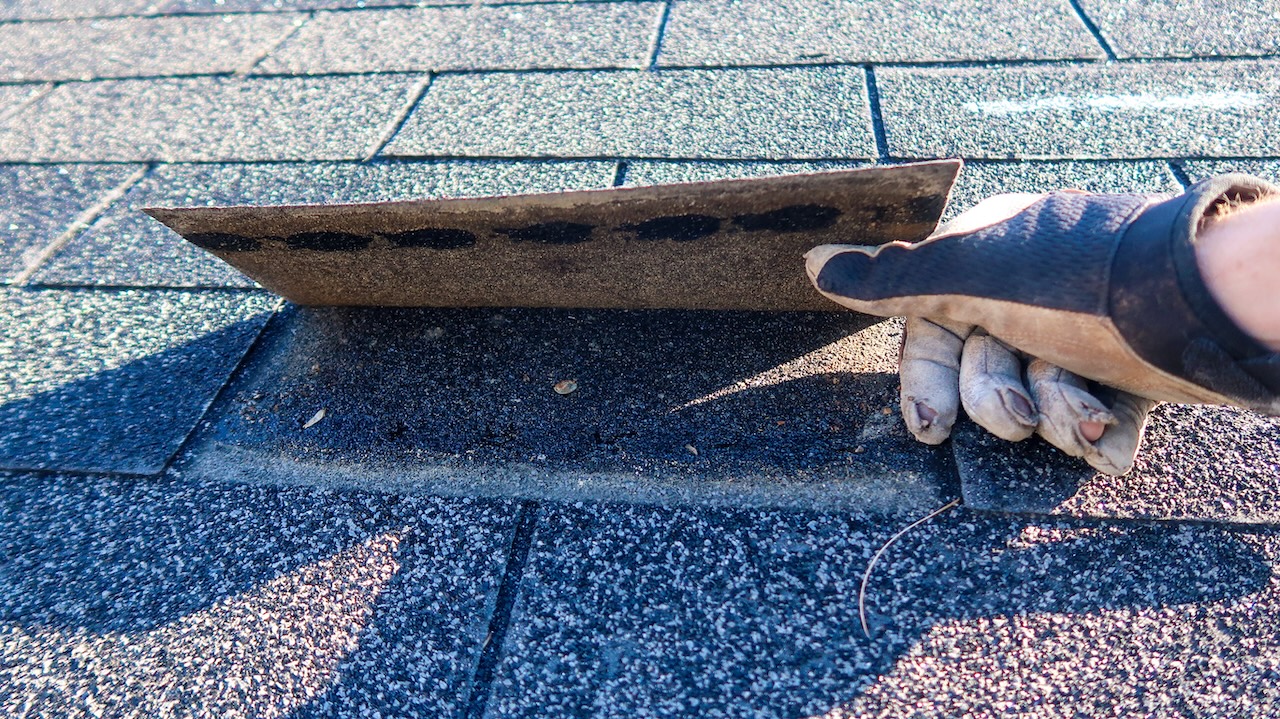
- Persistent roof granules in gutters. Overheated, moisture-stressed shingles shed granules faster. This is an early sign that your roof system isn’t breathing properly.
If you notice more than one of these symptoms, it’s a strong signal your attic’s ventilation or insulation balance is off. A quick inspection now can prevent expensive repairs later and help your home stay dry, healthy, and energy-efficient all winter long.
Upgrades & Best Practices for Winter-Ready Ventilation & Insulation
Preparing your roof for winter means creating a system that breathes and insulates efficiently through months of cool, damp weather. The right upgrades can make your roof more resilient, your home more comfortable, and your energy bills noticeably lower.
Here’s where to start:
1. Add or Upgrade Ridge and Soffit Vents
Balanced airflow is the cornerstone of proper ventilation. Ridge vents let hot, humid air escape naturally through the roof’s peak, while soffit vents draw in cool, dry air from below. Together, they maintain a steady circulation that prevents condensation buildup and extends the life of your roofing materials.
2. Seal Attic Air Leaks Before Adding Insulation
Even the best insulation won’t work if warm air keeps escaping into your attic. Before topping up your insulation, seal gaps around recessed lights, plumbing vents, and attic hatches using foam or caulk. This keeps indoor humidity out of your attic and reduces the workload on your HVAC system.
3. Choose the Right Insulation Material for Your Climate Zone
In the Bay Area, a mix of mild temperatures and coastal humidity means R-values between R-38 and R-60 are ideal for most attics. Blown-in cellulose and spray foam both perform well because they reduce air leaks and resist moisture absorption.
4. Install a Smart Ventilation Controller
For homes with powered attic fans or whole-house ventilation systems, smart controllers can monitor humidity and temperature levels and adjust airflow automatically. This keeps your attic within a healthy range year-round, even during warm, humid winter days when moisture risk is high.
5. Use Vapor Barriers in High-Humidity Areas
If your home is near the coast or in fog-prone valleys, consider adding a vapor barrier beneath your insulation. This thin layer prevents indoor humidity from reaching the cold roof deck, protecting your insulation from dampness and mold.
6. Inspect and Clean Vents Regularly
Bird nests, dust, and insulation can easily block soffit vents. A quick annual check keeps air pathways open and ensures your ventilation system is doing its job.
7. Consider Reflective or Radiant Barriers
Even in winter, radiant heat from the sun can build up in attics. Reflective barriers help regulate attic temperature year-round to reduce thermal stress on your roof and help insulation perform at peak efficiency.
Prevent Mold, Save Energy, and Protect Your Roof
When it comes to winter roof care, ventilation and insulation are your home’s silent protectors. Together, they stop condensation before it starts, preserve indoor air quality, and prevent small moisture issues from turning into costly repairs.
If your attic feels damp or your energy bills are climbing, now’s the time for a professional inspection. Moran Roofing helps Bay Area homeowners improve roof performance through expert ventilation upgrades, insulation improvements, and long-term moisture prevention.
Call (925) 454-9200 or schedule your winter roof inspection online to keep your home dry, efficient, and mold-free all season long.