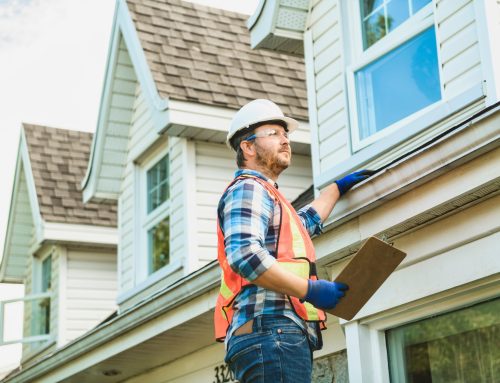
Year-End Roof Inspection & Maintenance Trends for Bay Area Homes
- Year-end roof inspections help Bay Area homeowners catch small issues before winter storms turn them into costly leaks and repairs.
- New tools like drones, thermal scanners, and smart drainage systems make modern inspections faster, safer, and more precise.
- A detailed inspection ensures your roof’s flashing, gutters, and waterproofing are ready for heavy Bay Area rain and strong seasonal winds.
What Makes Winter Roof Damage Different in Northern California
Winter weather in Northern California isn’t defined by snow and ice. The problem is the relentless rain and wind-driven storms that are tough on roofs. These conditions don’t always cause instant leaks, but they slowly wear down materials until problems surface mid-season.
The Bay Area’s winter challenges are unique:
- Heavy rain in short bursts. Most of California’s rainfall comes in just a few intense storms between December and March. That concentrated moisture can overwhelm gutters, drainage systems, and underlayments that aren’t designed for such volume.
- Temperature swings. Mild days followed by cool, damp nights create cycles of expansion and contraction that fatigue shingles, tiles, and sealants. Over time, this leads to cracking, curling, and premature aging.
- Wind and debris. Gusty coastal storms lift shingles, loosen flashing, and blow leaves into gutters, which causes water to back up under the roof edges.
- Moss, algae, and moisture buildup. Bay Area humidity encourages biological growth on shaded roofs, which traps water and weakens protective coatings.
- Wildfire residue. Even after fire season ends, soot and ash can mix with rain, forming acidic runoff that accelerates corrosion on metal flashing and gutters.
New Trends You Should Include in Your Year-End Roof Inspection
Year-end roof maintenance used to mean a ladder, a flashlight, and a visual once-over. But modern roofing technology now gives homeowners and contractors far better tools to catch problems early and protect against costly water damage before it starts.
These new trends make inspections faster, safer, and more precise, especially heading into California’s rainy season:
Drone & Thermal Scanning
Drones equipped with high-resolution and thermal cameras have become one of the biggest upgrades in residential roof inspections.
Instead of walking on the roof (which can be dangerous or even cause further damage), drones capture detailed images of shingles, flashing, and drainage patterns from multiple angles. Thermal imaging then highlights temperature differences that can reveal hidden problems, like trapped moisture, failing insulation, or slow leaks invisible to the naked eye.
For Bay Area homes surrounded by tall trees or built on steep lots, modern inspection technology is especially valuable since they provide a complete overview without the risk of climbing or missing areas blocked by debris.
Moisture Sensors & Roof Monitoring Systems
A newer innovation gaining traction in California is smart moisture detection. Sensors can now be embedded beneath the roof membrane or installed in attic spaces to detect changes in humidity and alert homeowners to leaks before water becomes visible.
Some systems even connect to mobile apps, providing real-time monitoring of roof performance.
For homeowners in high-rainfall or coastal areas, this early-warning technology can save thousands by preventing mold, insulation damage, and structural rot before the next atmospheric river hits.
Advanced Roof Coatings & Self-Healing Membranes
Roof coatings have come a long way from basic sealants. Today’s advanced formulas use elastomeric polymers or silicone blends that expand and contract with the roof. This prevents cracks and leaks caused by temperature swings, which is a major issue during Northern California’s alternating warm days and cool, damp nights.
The latest innovation is self-healing membranes, which use reactive materials that automatically seal minor punctures or abrasions when exposed to heat or moisture. For Bay Area homeowners, that means small damage from flying debris, branches, or heavy rain doesn’t immediately turn into an expensive leak.
When applied as part of a year-end maintenance plan, these coatings can extend roof lifespan by years while adding another layer of protection heading into storm season.
Algae & Moss-Resistant Treatments
If your roof is shaded by trees, especially in the East Bay or coastal microclimates, algae, moss, and lichen growth can trap moisture and shorten the lifespan of shingles. The problem worsens in winter when humidity rises and roofs stay damp longer.
Modern algae- and moss-resistant treatments use zinc and copper granules or biocidal coatings that prevent organic growth without damaging roofing materials. These solutions reduce water absorption, keep drainage paths clear, and help maintain the reflective properties of cool roofs.
Adding a professional cleaning and treatment before the wet season ensures your roof sheds water efficiently and stays free of growth that can accelerate deterioration.
Smart Drainage Upgrades
Drainage failures are one of the top causes of roof leaks after Bay Area storms. The newest trend in roof maintenance is smart drainage systems that automatically adapt to heavy rainfall and prevent clogging.
This includes wider, high-capacity gutters, leaf-guard systems, and even sensor-based monitoring that alerts homeowners when flow is restricted. For flat or low-slope roofs, upgraded scuppers and internal drains now feature self-cleaning screens and overflow channels to manage extreme rainfall events more safely.
With the Bay Area seeing more frequent atmospheric rivers and downpours, improving drainage is a must for keeping your home protected through winter and beyond.
Year-End Roof Inspection & Maintenance Checklist for the Bay Area
As the year winds down, your roof deserves the same year-end review as your finances or home maintenance budget. The goal is to spot small problems before they turn into leaks, water damage, or costly repairs during the height of California’s rainy season.
Here’s what every Bay Area homeowner should check or have a professional inspect before winter storms roll in:
- Inspect shingles and tiles for cracks or lifting. Look for curling edges, missing shingles, or chipped tiles. Even minor lifting allows water to seep beneath the surface during high winds or heavy rain.
- Check flashing around chimneys, vents, and skylights. Flashing is one of the first components to fail under wind and moisture pressure. Make sure it’s sealed tightly and free of rust or gaps.
- Clear gutters, downspouts, and scuppers. Clogged drainage is one of the leading causes of storm-related leaks. Remove leaves, pine needles, and debris before the first major downpour.
- Trim trees and overhanging branches. Bay Area winds can easily break limbs that scrape or puncture roofing materials. Regular trimming reduces both impact risk and debris buildup.
- Check attic insulation and ventilation. Proper airflow prevents condensation and moisture buildup. If your attic feels damp or musty, insulation may be saturated or vents may be blocked.
- Inspect for moss or algae growth. Shaded roofs, especially in coastal or forested areas, trap moisture that can weaken shingles. Schedule a treatment or cleaning if growth is visible.
- Examine seals around solar panels. You should check installations annually to ensure mounts and flashing remain watertight.
- Schedule a professional roof inspection. Drones, thermal imaging, and moisture meters can reveal hidden weaknesses before they turn into leaks during January’s heaviest storms.
Start the New Year with a Roof You Can Trust
A quick year-end inspection can save you from major roof repairs when the next winter storm hits. Even small cracks, loose flashing, or clogged gutters can turn into costly leaks once the rain starts.
With modern coatings, sensors, and smarter drainage systems, it’s easier than ever to protect your home and extend your roof’s lifespan.
Moran Roofing helps Bay Area homeowners stay storm-ready with expert inspections and long-lasting repairs.
Call (925) 454-9200 or book your year-end inspection online before the next downpour begins.